Edge Metal, Coping and Gutters in Bellingham, WA
Coping caps, edge metal, gutters and downspouts for Bellingham, WA commercial roofs: perimeter fastening, reglet flashing and wind-rated bid lines.
Edge Metal, Coping and Gutters in Bellingham, WA
Coping caps, edge metal, gutters and downspouts for Bellingham, WA commercial roofs: perimeter fastening, reglet flashing and wind-rated bid lines.
Commercial Roofing Services
Edge Metal, Coping and Gutters in Bellingham
Coping cap metal costs the same in July and November. Setting it right does not. In Bellingham, WA the wet season starts in autumn and runs deep, and every cap set late in the year sits on a damp substrate with sealant that will not cure. That gap in labor, not the metal, is the line that moves the bid. So the perimeter goes on the calendar early. Build it in summer, close it before the rain, and the edge is done once.
The edge matters for a second reason. Wind finds it first. Gusts reached 67 mph in March 2016. The November 2024 bomb cyclone drove easterly winds through Sudden Valley. Loose edges are where those storms start peeling a roof.
A general contractor sees this as a bid question. Is the perimeter in the roofing scope or the sheet metal scope? Who supplies cleats? Who seals the end laps? We answer all three on the bid, by line, so the metal is not orphaned between trades.
Overview
Edge Metal, Coping and Gutters
The parts
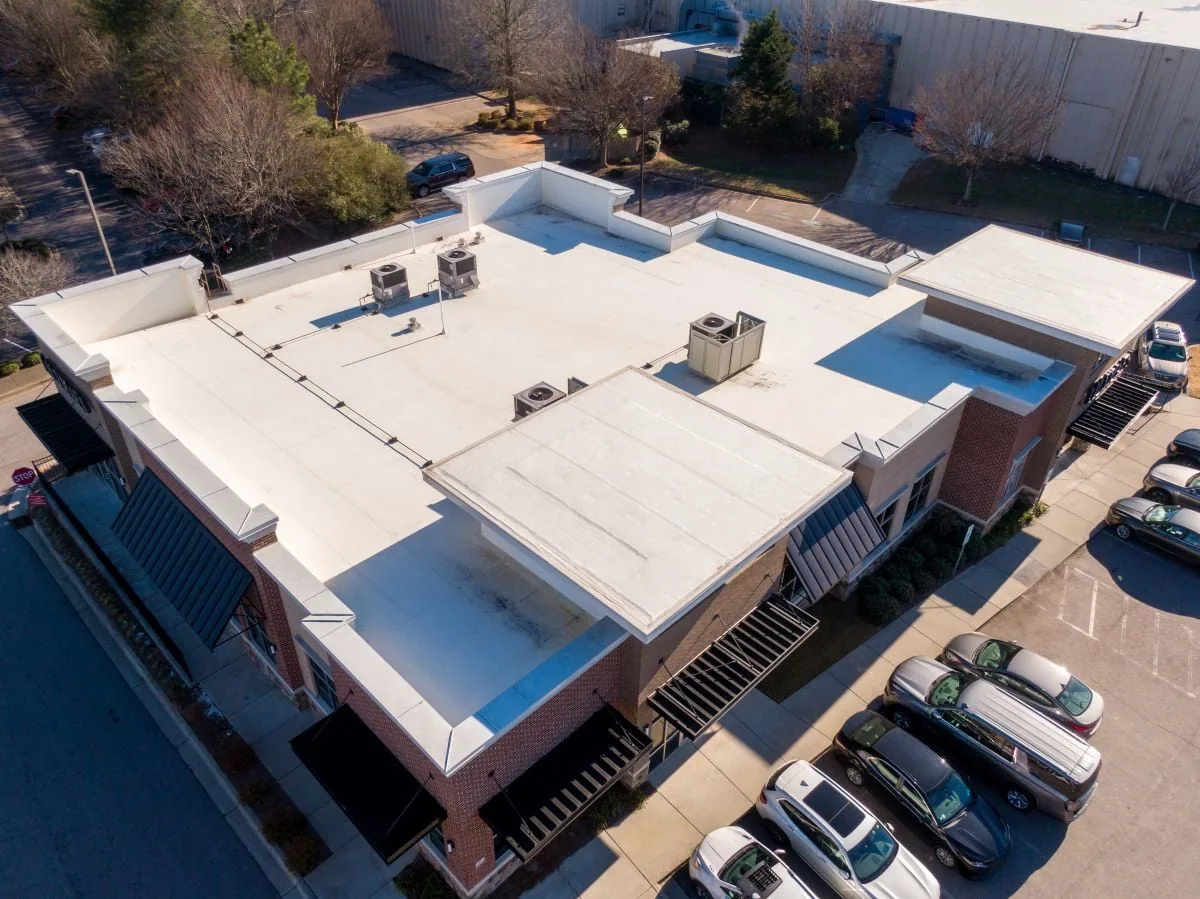
The perimeter is a stack of parts. Coping cap on the parapet. Counterflashing over the wall flashing. Edge metal at an open eave. Gutters and downspouts below. Termination bars and sealant tying the membrane to the wall.
Each part has a failure. Caps lift when cleats lose grip. Counterflashing opens at laps. Reglets, the cut slots in a masonry wall, crack at the sealant. Gutters sag and pack with needles. Downspouts spill against a wall. We name each part on the bid. The owner sees what is being replaced and what is being reset.
Inspection at the edge is physical. We press the cap at intervals. We look under laps for daylight. We check the wall below for water tracks. We photograph every corner and every end lap, because movement and wind pressure concentrate there. A run that looks fine from the ground can rock by hand on the roof.
The report lists each run by name and footage. Cap. Counterflashing. Gutter. Downspout. Beside each sits a condition, a photograph and a price. The punch walk at the end checks the same list.
Perimeter fastening
Fastening is the line that matters most. A cap held by a few screws passes a visual check and fails in a gust. We use continuous cleats on caps, stainless or coated fasteners at close spacing, and a sealed joint at every splice. Corners get extra attachment. Corners take the worst suction.
Washington's 2021 International Building Code took effect statewide on March 15, 2024, and it ties edge securement to tested assemblies. We confirm what applies with the building department. We also record the fastener pattern on the roof plan. A later inspector can read it. A wind claim can cite it.
Substrate counts. A cap fastened into soft or rotted blocking holds nothing. We probe the blocking, replace what has gone and note the footage. That is a separate bid line. It saves an argument later about why a new cap came loose in the first winter.
The same goes for the wall behind a reglet. Cracked mortar holds no sealant. Repointing comes first, and it belongs to a mason. We flag it and schedule around it, so the counterflashing is not set into a wall that will move again.
Moss, damp and the wet season
Bellingham logs about 1,866 hours of sun a year. Edges stay wet. Moss grows in the joint between cap and wall. It holds water against the sealant and lifts it. We scrape and treat growth before resealing, because sealant over moss lasts a season.
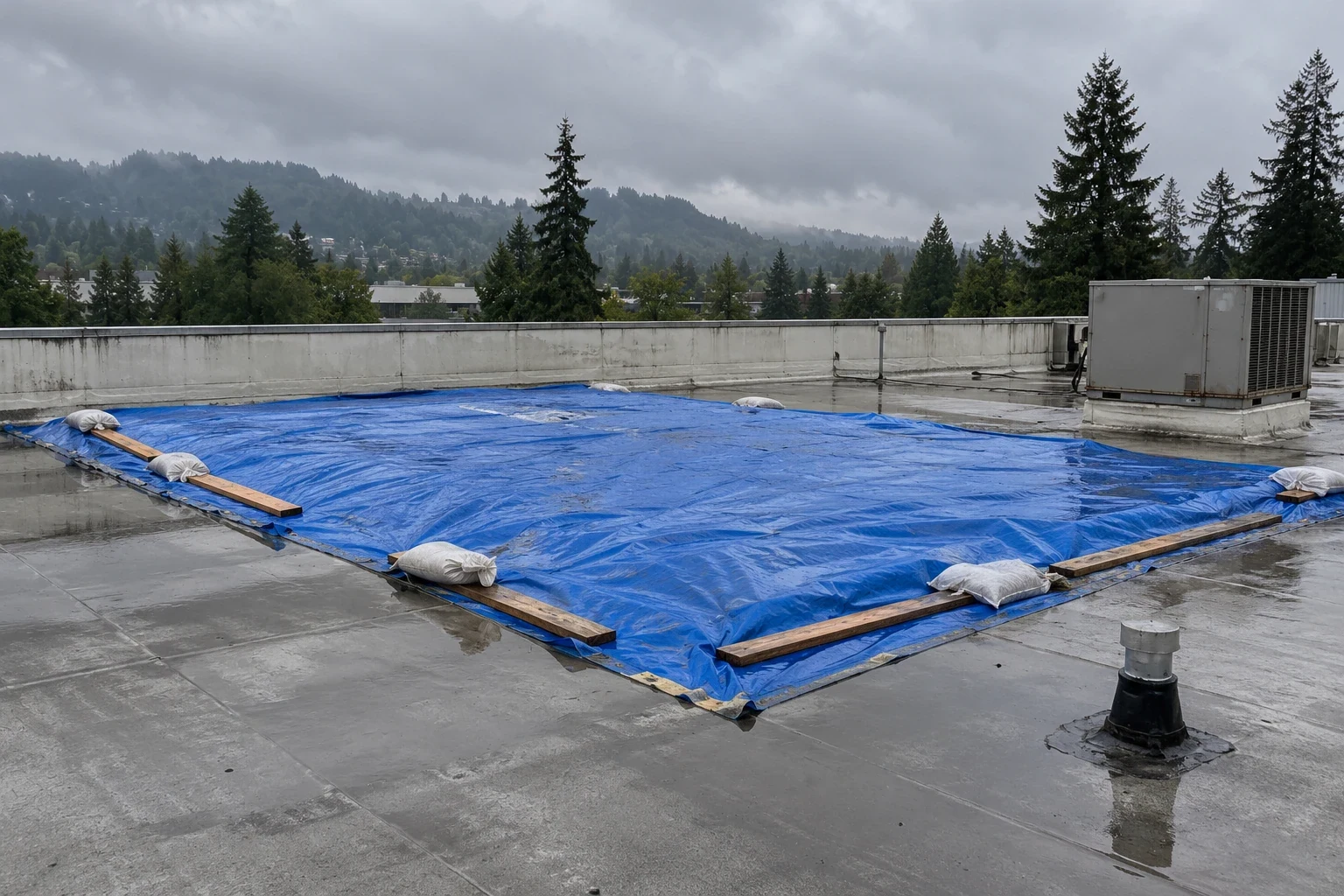
Reseal on a dry day above the cure range. In this city that means late spring through early fall. A winter reseal fails by spring. If a cap leaks in January, we make a temporary seal and put the permanent fix on the summer list. The record shows which joints got which treatment.
Cold shrinks metal and heat grows it. Long runs still move. We cut expansion joints into long caps and use slotted fasteners where the profile calls for them. Without them, a run buckles and pops its screws by the second summer.
Reset or replace
Most caps can be reset. We pull the cap, clear the old sealant, reset cleats, replace bad fasteners and reseal. A bent or corroded cap gets replaced. Heavier gauge costs more and holds longer. We show both numbers.
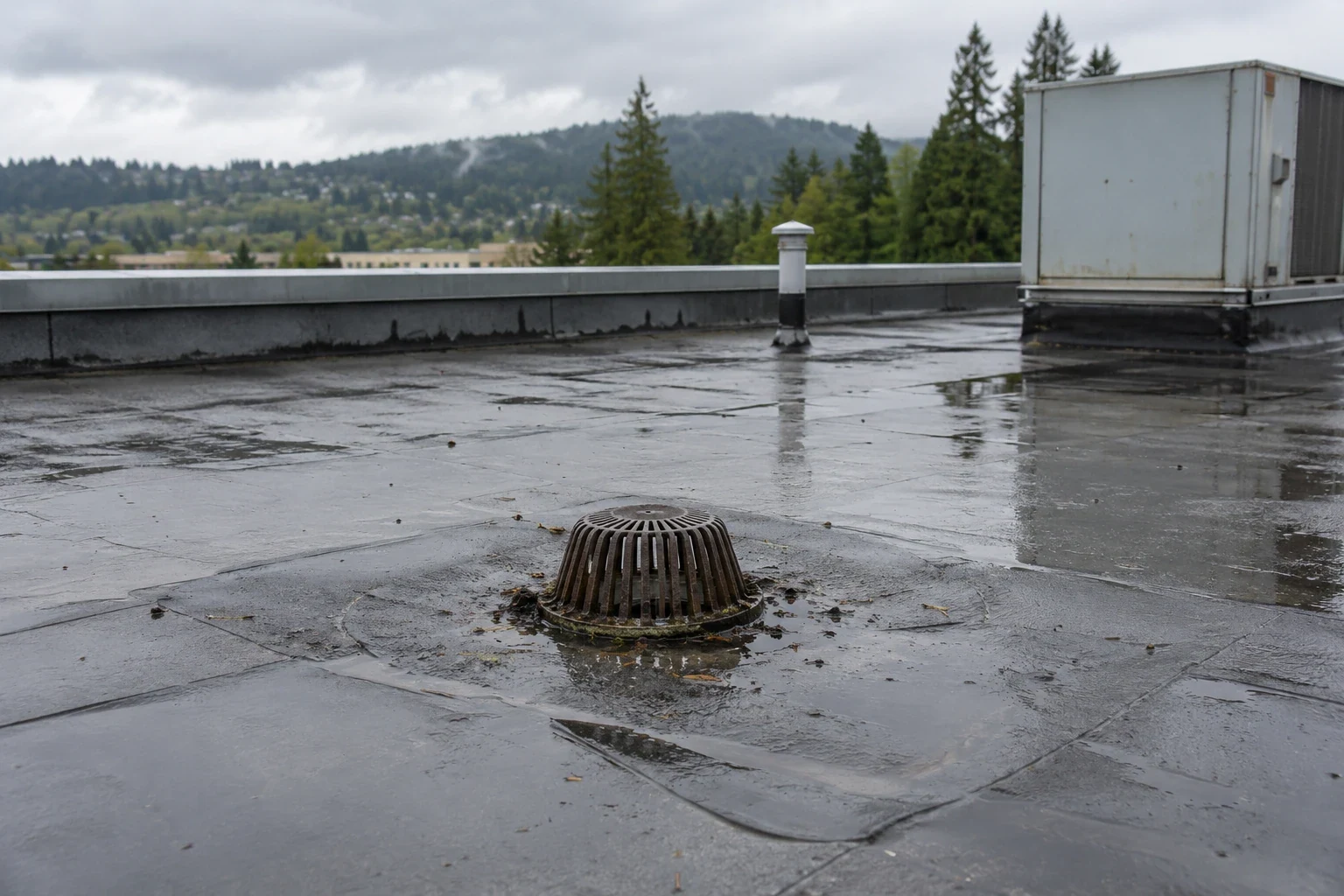
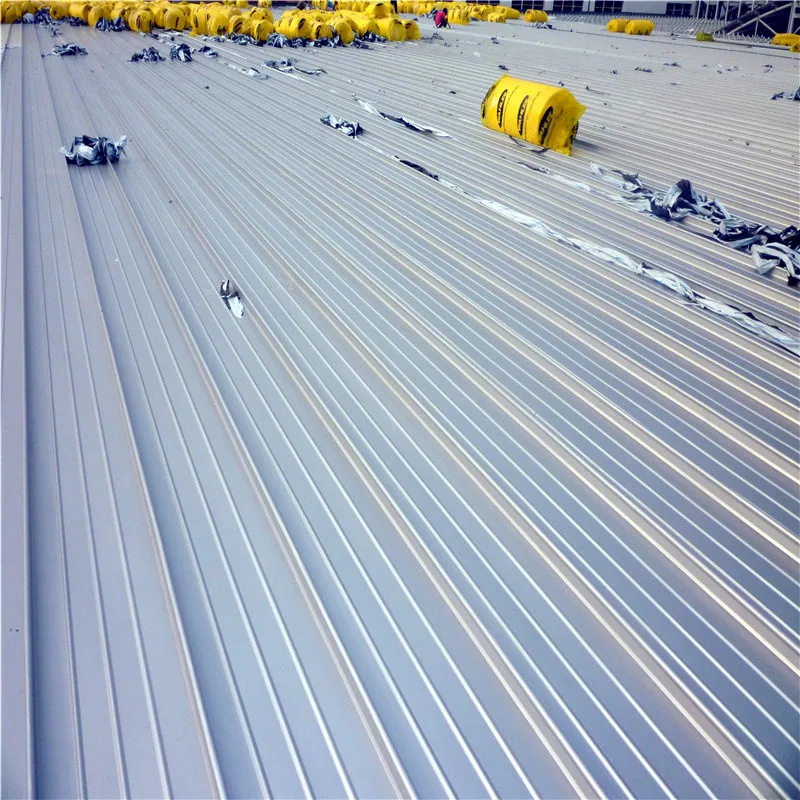
Gutters follow the same logic. Check slope. Tighten hangers. Replace failed seams. Flush the downspout. Where a gutter feeds a scupper, we check the whole path with drain and scupper work. Guards help only where debris is heavy and visits are regular. A guard that clogs becomes the blockage. On a standing seam metal roof, eave and rake trim must let the panel move. A rigid fastener there is a defect.
Pricing is straightforward. Linear footage. Gauge. Finish. Access. Disposal of old metal. We add a line for any blocking repair and one for sealant. Doing the perimeter with a storm damage repair or a reroof is cheaper than doing it alone, since the lift and the protection are already on site.
Salt air and coastal sites
Up at Blaine on the border, the waterfront sees salt air and roughly 42 inches of precipitation a year. Metal at the water corrodes sooner. Dissimilar metals corrode where they touch. Plain steel fasteners rust and stain.
For coastal sites we specify coated or stainless metal and isolate unlike metals. The extra cost is small beside a recut perimeter in five years. We note the exposure in the grade and set the visit interval to match.
Check dissimilar metals at every junction. Aluminum against steel in wet air corrodes the weaker one. A rubber isolator or a coated surface stops it. The part costs cents. A corroded cap costs a day.
Where the edge is visible
Campus buildings show their caps. Western Washington University has more than 16,000 students and a large set of institutional roofs, including buildings around Sehome and the campus. Parapets and built-in gutters on college and university roofs reward a program more than one-off repairs.
Wind-exposed sites such as Sudden Valley need extra attachment. After a blow, edge work becomes wind damage roof repair, and the earlier fastening record decides what is storm damage and what is wear.
Where retail roofs along the I-5 and SR 539 corridor around Bellis Fair have long straight runs of coping, a regular fastening schedule is worth more than an expensive finish. On Port of Bellingham industrial buildings, we carry edge metal as its own bid line so the corners are priced.
Commercial Roofing Questions
How do I know if my coping is failing?
Look for open joints, stains on the wall below and caps that rock under hand pressure. Any of those means water is getting behind the cap. A roof visit should follow.
What does edge metal cost compared with a new roof?
A fraction. Price runs by linear foot, gauge and access. Doing the perimeter with a reroof saves the second mobilization.
Can finish color be matched?
Pre-finished metal comes in many colors. We match the existing wall where possible and send samples for approval before ordering.
Do gutters matter on a flat roof?
On roofs with eaves they do. They carry runoff past the foundation. Blocked gutters back water onto the edge and soak the fascia.
Will edge work disturb tenants?
It is exterior and quiet compared with tear-off. We set barriers below, keep entrances clear and schedule around deliveries.
Send drawings, the roof spec and the target window
Send the roof plan, the parapet details and photographs of failures. We will price every cap, cleat and gutter run before the bid closes.