Commercial Roofing in Cordata, Bellingham, WA
Commercial roof repair, recover and replacement in Cordata, Bellingham, WA, for retail, office and institutional roofs near Guide Meridian and I-5.
Commercial Roofing in Cordata, Bellingham, WA
Commercial roof repair, recover and replacement in Cordata, Bellingham, WA, for retail, office and institutional roofs near Guide Meridian and I-5.
Service Areas
Cordata in Bellingham
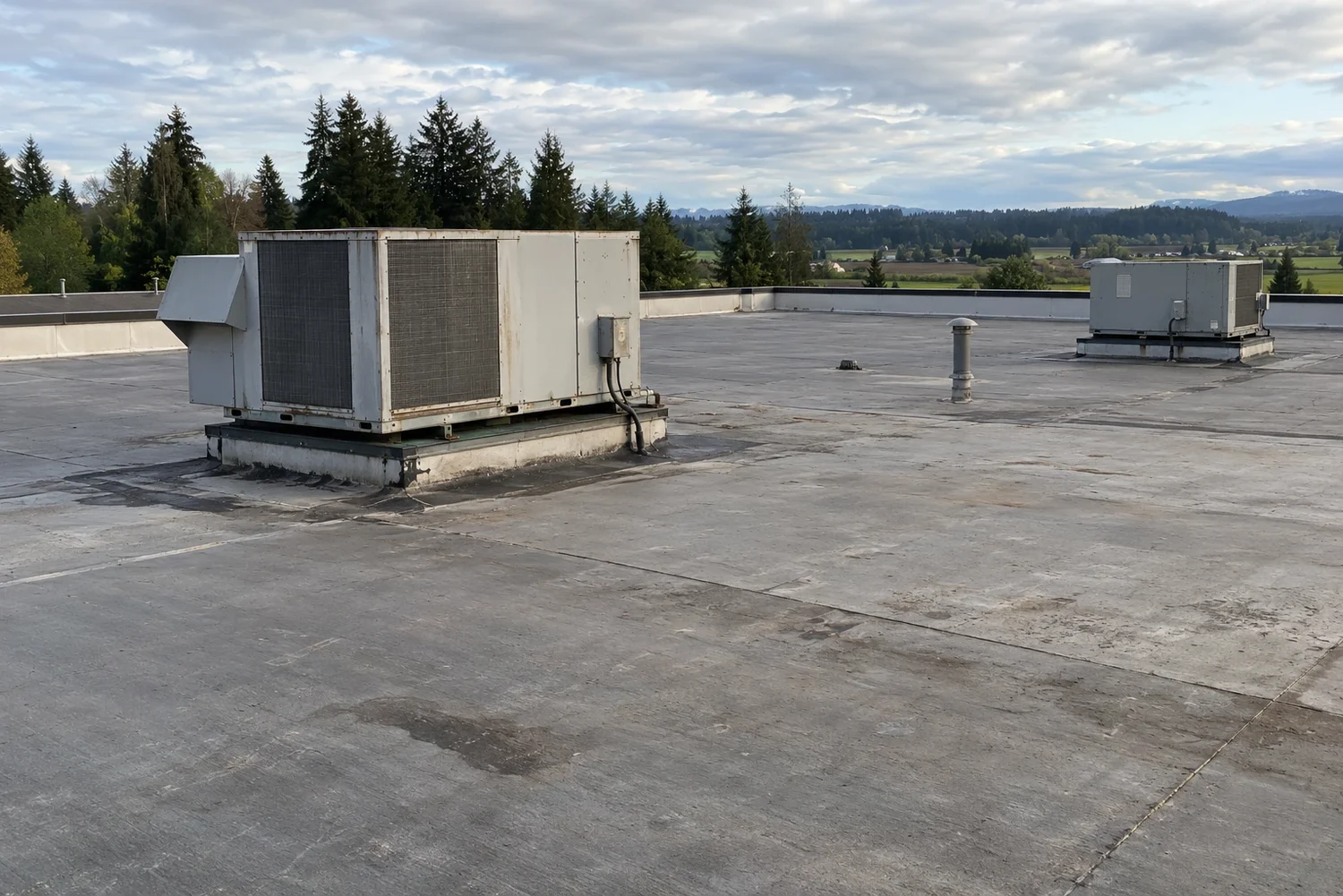
A newer roof fails at its details before it fails in its field. Fastener plates back out, sealant shrinks and a drain sits an inch too high. Cordata is a district on Bellingham's north side where retail and office growth continues, so any new roof there starts its service life with those details. We start with them.
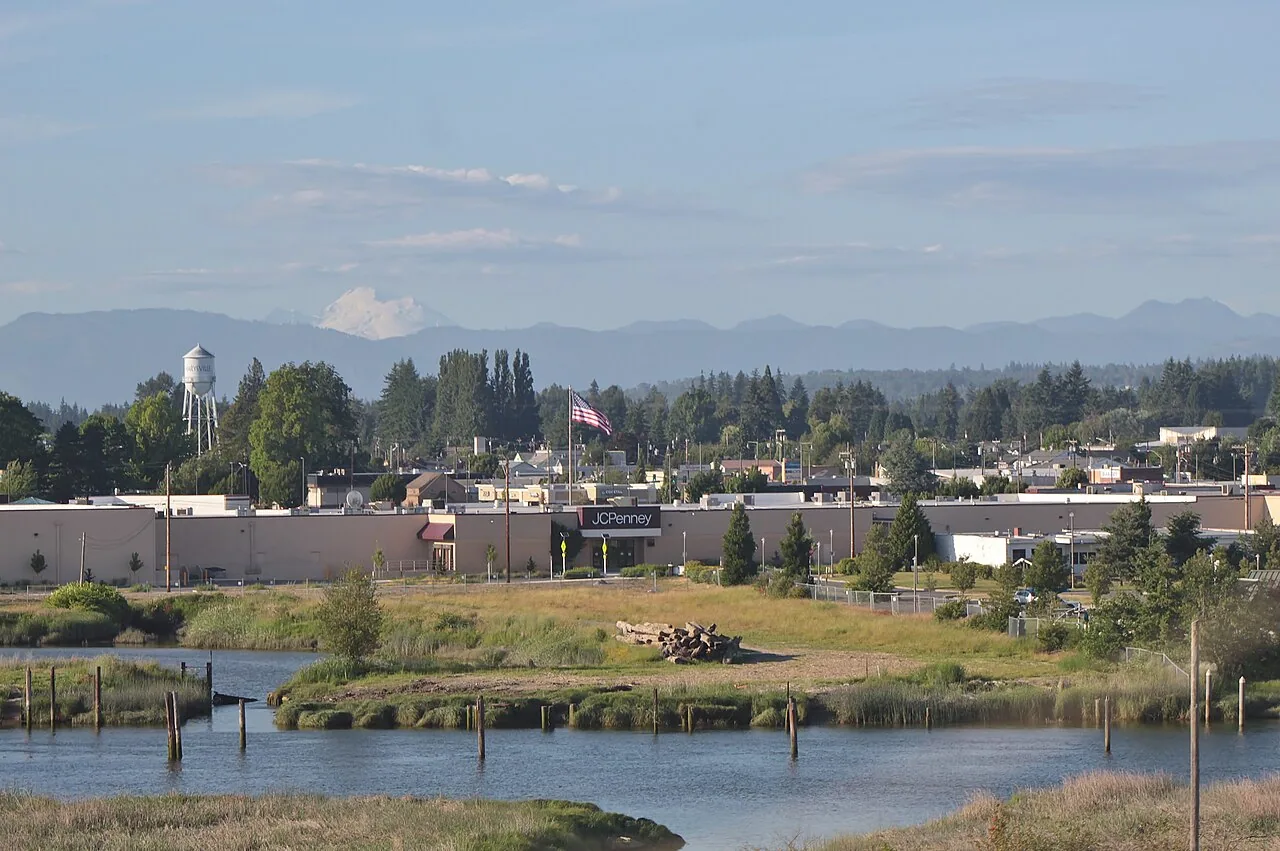
Cordata sits near the Guide Meridian (SR 539) corridor and I-5, the city's main northern commercial route. Send drawings, tenant roster and the dry-in dates you are aiming for. Each curb, drain and termination gets a mark before the bid closes.
Overview
Cordata
The first-years check
New roofs get a baseline walk after the first summer. We probe the seams, check fastener plates and test the drains. We look at sealant at every penetration. We look at the base flashing height. Problems found now sit inside the installer's responsibility. Problems found later are the owner's.
The walk produces a roof map, photos and a penetration log. That file becomes the starting point for every later repair. A tenant who adds a rooftop unit adds a line to the log. A leak six years later can be traced against the original record.
The first walk records the system, the age marks and the moisture. We build the plan from what we find.
Warranty paperwork belongs in the same file. Manufacturer terms list the inspection steps and the repairs that keep coverage. A tenant's contractor who cuts the membrane without notice can put coverage at risk. We log every cut and every patch with a date, and we send the owner a short rule sheet for trades that visit the roof.
The baseline also helps in a sale. A buyer's lender reads a dated roof file faster than any narrative, and a clean file shortens the roof question in due diligence.
What sits in the district
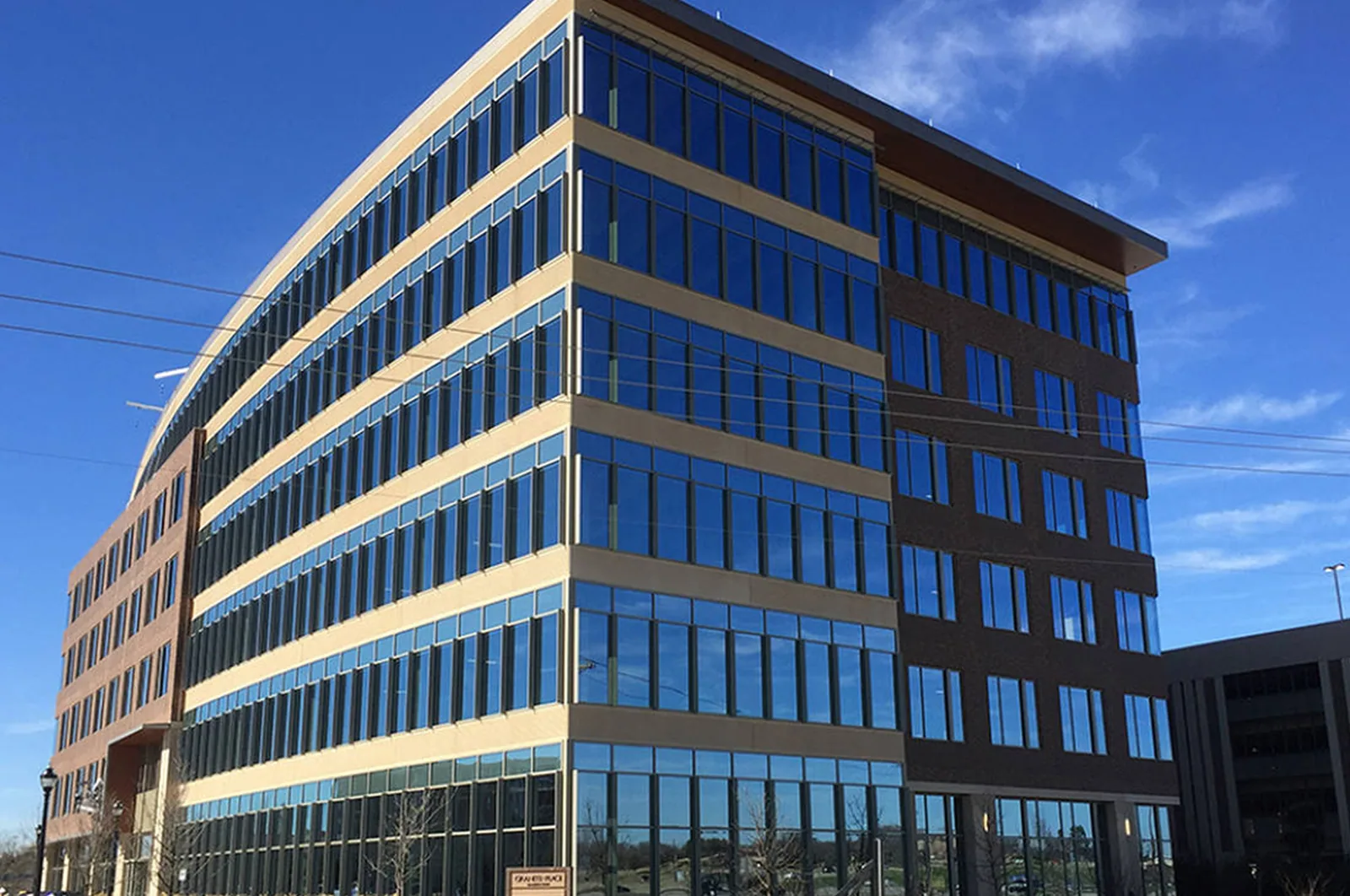
Whatcom Community College and Bellingham's northern retail and office growth sit in the north-side district. Retail pads, office suites and institutional buildings share the same streets. They also share the same weather and the same drainage problems.
The mix drives different jobs. An office building asks about tenant notice and rooftop units. A retail pad asks about holiday blackout and canopy drains. An institutional building asks about the academic calendar. We read each calendar before we pick a start. The same steps carry an office building or a shopping center from the first walk to the punch list.
College buildings add a calendar of their own. A roof over classrooms or labs does best in the summer break, when the dry months and the empty halls line up. Noise rules near quiet spaces apply year-round, and we plan loud tasks for agreed hours. Parking near campus fills quickly during the term, so crew parking gets set ahead of time.
Interstate and Guide Meridian access
Cordata sits near the Guide Meridian, SR 539, which runs from Bellingham to Lynden and the border and meets I-5 by Bellis Fair. Good road access helps roofing. Trucks reach the site. Cranes get in. Material arrives on time.
It also brings traffic. Delivery windows must avoid peak hours on the arterials. We schedule trucks early and keep them off turn lanes. A flagger helps where a drive crosses a sidewalk. Each of these is a bid line.
For nearby roofs along the Guide Meridian corridor, the same planning applies. Big retail roofs there ask for phased dry-in over live floors.
Northern retail traffic builds toward the holiday season. We finish roof work on retail pads before early November and keep only emergency response on call after.
Roofs to the south, in Birchwood and downtown, bring different access problems, and we plan them separately. A district-wide owner with buildings in several of them gets one file format and one grading method, so the roofs compare cleanly.
What drives the price
Five items move a Cordata roof price. They are penetrations, insulation, drainage, access and tenant phasing. Insulation now follows the energy rules adopted on March 15, 2024, and extra depth means taller flashings at each unit curb. Thicker board lifts every flashing. Penetrations are many on a roof that has gained tenants. Drainage depends on the survey. Drain and scupper work is often the least expensive line on the bid. Tenant phasing sets supervision and protection.
Repair often beats replacement on a newer roof. A commercial roof repair on a failed detail buys years. We price both and show the owner the point where replacement starts to win.
Contingency gets its own line. Deck condition is unknown until the old roof is off, so we carry an allowance and a unit rate. That number reaches the owner before award.
Wet season and wind
Bellingham takes roughly 34.8 inches of rain a year, with a November peak and a July low, so repairs wait for July where they can. Sun hours near 1,866 leave a deck damp longer than a crew plans for. One lost morning can cost a dry-in day. Material stays under cover. A 67 mph gust in March 2016 and the November 2024 bomb cyclone, which pushed easterly wind through Sudden Valley, both tested roof edges around the city. Edge metal and tall parapets catch wind on any building. Edge fastening is its own line on every bid. The crew probes the seams and pull-tests every cap. Terminations and metal close best in good light. If a repair cannot wait, a wet-season method works with small areas and same-day close.
Spring brings pollen and needle drop that clog strainers right when roof work starts. We clear drains on day one and test them with water. A blocked scupper turns one rain into a flooded bay, and the test costs ten minutes.
Punch walk and records
The punch walk happens with the owner or the property manager. On handover day we probe the seams, tug the caps and run water down each drain. Every open item carries a name and a date. The warranty packet follows the closed list. A yearly spring check keeps the log current. We re-probe the seams, clear the drains and photograph the roof. A file with five years of spring checks is the best evidence a roof owner can hold when a warranty question or a sale arrives.
If a tenant changes, the file changes hands with the lease. The new tenant's contractor reads the penetration log before touching the roof. That one habit prevents more leaks than any membrane choice.
Commercial Roofing Questions
Why inspect a roof that is only a few years old?
Details fail first. Fastener backout, sealant shrinkage and drain elevation errors show early and are cheapest to fix while the installer is responsible.
Is repair or replacement the better call on a newer roof?
Usually repair. A failed detail is cheaper to fix than a whole system. We price both and show where replacement starts to win.
How do you handle tenants during roof work?
We phase the roof, give each tenant notice and a contact, and keep noisy work to agreed hours.
Do corridor trucks affect the schedule?
Yes. Deliveries avoid peak traffic and turn lanes. We book early windows and use a flagger where needed.
What goes in the roof file?
A roof map, photos, moisture readings, a penetration log and each spring check. It travels with the building.
What should a trade know before working on the roof?
Check the penetration log, use walk pads, and tell us before cutting the membrane. We flash and log every cut so coverage stays intact.
Send the drawings and the tenant list
Send the roof plan, the tenant list and your target dry-in window. We will price every curb, drain and termination before the bid closes.