Built-Up Roofing (BUR) in Bellingham, WA
Built-up roofing in Bellingham, WA: multi-ply felt and asphalt systems, gravel or cap surfacing, kettle logistics and fire-watch planning for the install.
Built-Up Roofing (BUR) in Bellingham, WA
Built-up roofing in Bellingham, WA: multi-ply felt and asphalt systems, gravel or cap surfacing, kettle logistics and fire-watch planning for the install.
Roof Systems
Built-Up Roofing (BUR) in Bellingham
A kettle on the ground and a hose to the roof. That is the first line of any built-up bid, because hot asphalt needs a place to heat, a way to travel and a clear fire watch. In Bellingham, WA, where the wet season runs long and decks stay damp, the logistics cost as much as the felts.
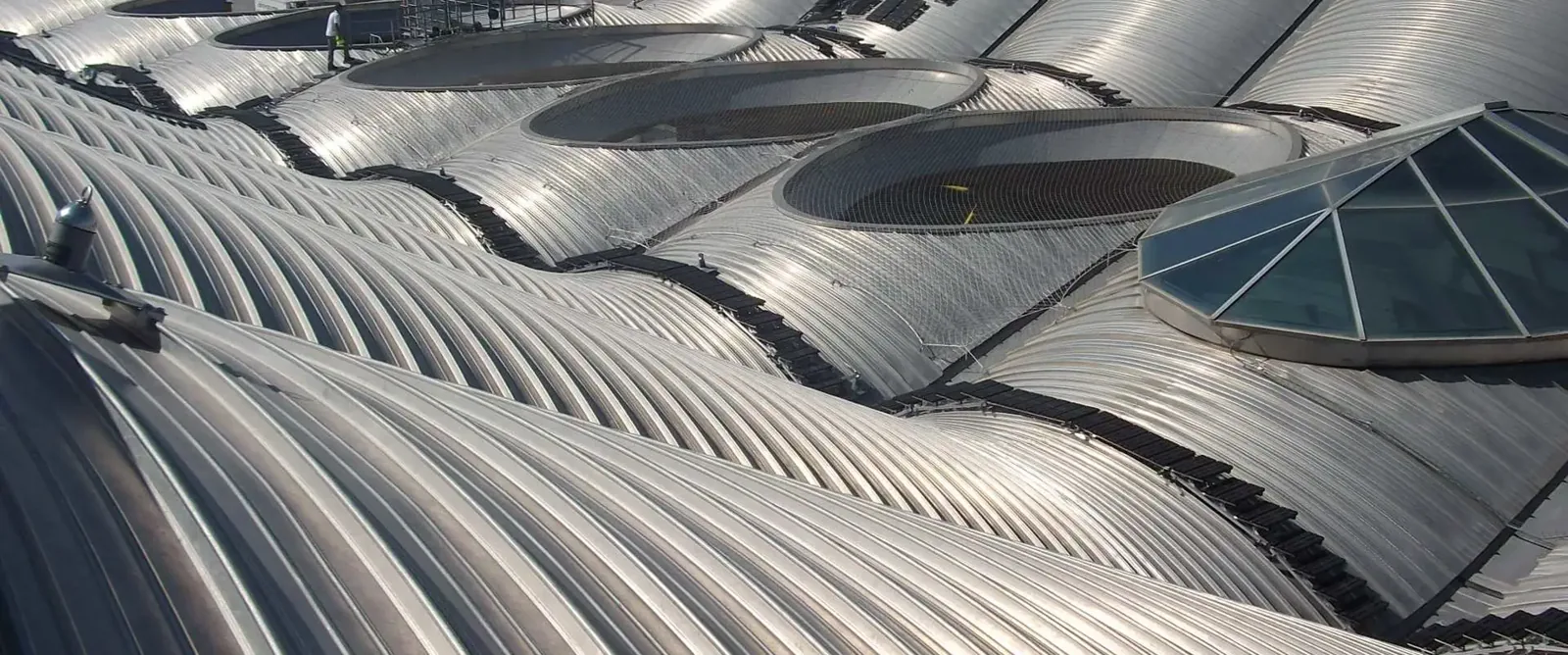
Built-up roofing, or BUR, is the old multi-ply system. Layers of reinforcing felt are mopped together with hot asphalt, then topped with gravel, a mineral cap sheet or a reflective coating. It is heavy, redundant and well understood. When it is laid on a dry deck, it forgives small defects and carries foot traffic well. We bid it where the building and the budget suit it.
Overview
Built-Up Roofing (BUR)
Plies and the mop
A BUR roof is a sandwich. A base sheet goes on the insulation or cover board. Two to four plies of felt follow, each mopped with a full coat of hot asphalt. A surfacing layer finishes the top.
Redundancy is the point. If one ply has a defect, the plies above and below cover it. Water must pass through several layers before it reaches the deck. That is why many owners keep the system for roofs that see foot traffic and equipment.
Asphalt temperature matters. Too cool, and it does not bond. Too hot, and it degrades. The kettle operator holds the temperature in range and the mopper keeps a steady rate. Cold morning air cools the asphalt in the hose, so the crew starts only when conditions hold.
Compared with a single-ply sheet such as TPO, BUR takes more crew days and more material handling. It also gives a thicker, tougher roof. The price gap narrows on roofs with heavy traffic, because the single-ply option then needs walk pads and extra protection that BUR already carries in its surfacing.
Insulation sits below the felts. A cover board or a base sheet goes over the polyiso so hot asphalt does not damage the foam. Insulation thickness on a replacement follows the state energy code that took hold in March 2024. Thicker insulation raises every flashing, so heights are set before ordering.
Gravel, cap sheet or coating
The top layer carries the weather. Gravel is the traditional choice, embedded in a flood coat of asphalt. It protects the felts from sun and hail, adds fire resistance and weighs a lot. Gravel also hides leaks, since water can run under stone before it shows.
A mineral-surfaced cap sheet gives a cleaner look and lets the owner see the roof surface. A reflective coating over a smooth surface lowers heat gain, though in Bellingham, with about 1,866 hours of sun a year, the cooling gain is modest.
Moss grows in gravel. The stone holds moisture, and low sunshine keeps it damp. We clear vegetation, check drains and look at the surface beneath. Neglect here is how a good BUR roof loses ten years.
Color and texture matter for ponding too. Smooth surfaces show standing water, while gravel hides it. A roof that holds water for two days after rain will age the asphalt, and no surface makes up for a missing slope. We shoot elevations and add tapered insulation or a drain where the numbers call for it.
Kettle, hose and fire watch
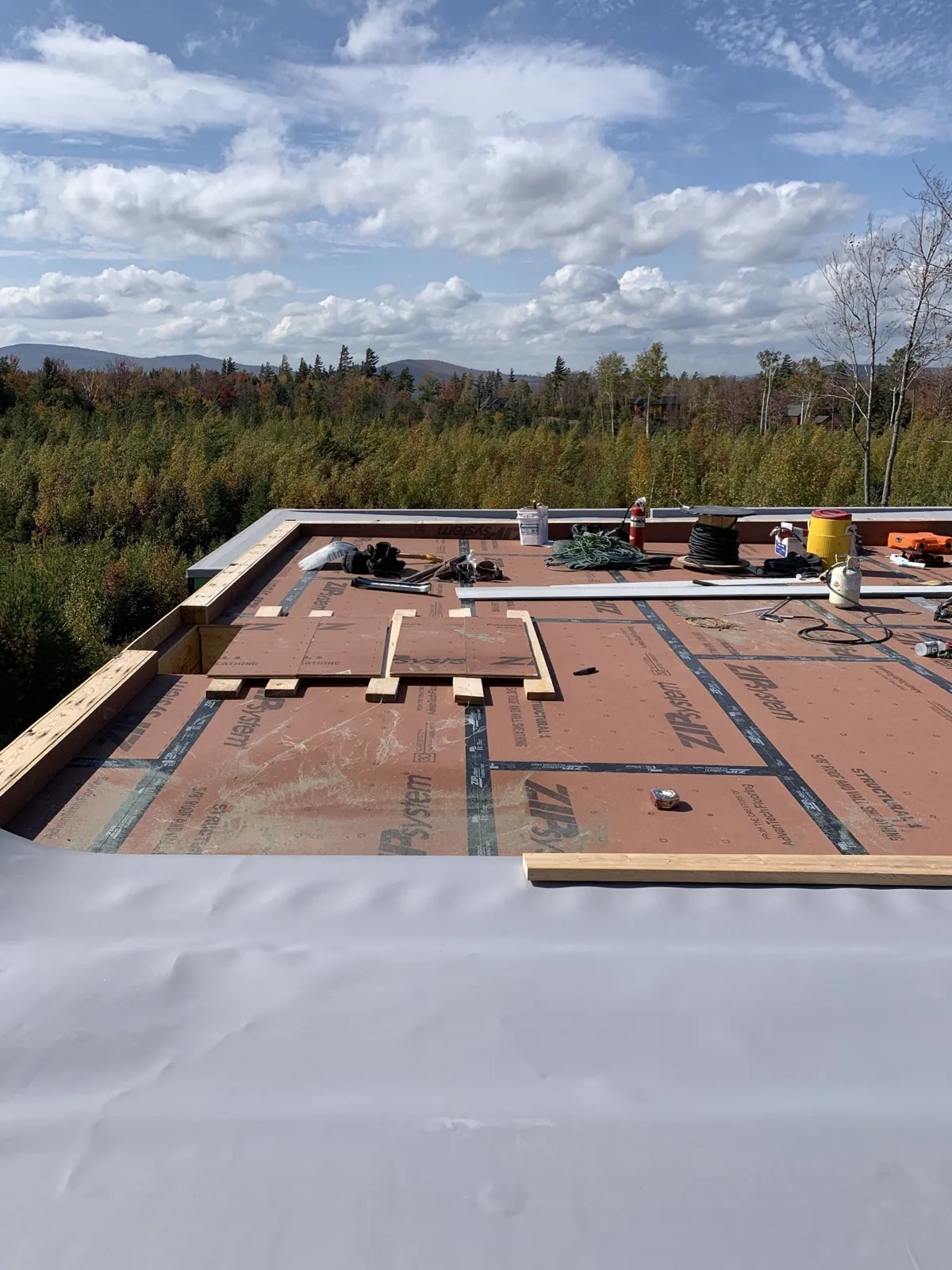
Hot asphalt is a fire risk and a safety risk. The kettle sits on the ground or on a stable platform with extinguishers, a firewatch and a clear escape path. Hose lines run up the building, and every connection is checked each morning.
Many owners and insurers limit hot work, and some building types, such as hospitals and schools in session, cannot allow it. Where hot work is restricted, a modified bitumen system laid with cold adhesive or self-adhered sheets gives a similar layered roof without the kettle. We lay out the options on the bid.
Fumes matter next to air intakes. We seal or cover intakes within reach and move the kettle downwind of occupied areas. Wind direction decides where the fumes go, so the crew leader checks it before each pour.
Dry deck or no deck
Moisture trapped between plies blisters later. A damp deck, wet insulation or a rain squall during the mop can leave water in the roof for years. So BUR installs here lean on the calendar. July is the driest month. November is the wettest, with about 34.8 inches of rain a year across the city.
We build tight strips. The crew lays and mops only what the day can finish, ties off the edge and covers the work. A sudden shower on an open ply can undo a day of felts.
Dry-in is the target. A deck that dries slowly in low sun can eat a morning, and one wet morning can cost a whole dry-in day. We tell the general contractor which days are real mopping days.
Flashings and edges
BUR flashings are built in the same ply layers as the field. Felts run up the wall and are covered with a cap flashing. A termination bar or counterflashing seals the top edge. Heights follow the spec, and the new insulation thickness changes them.
Edges take the wind. The March 2016 gusts of 67 mph and the November 2024 easterly winds that hit Sudden Valley show the risk. We fasten the edge metal on a tight spacing and test it. A coping or gravel-stop detail goes on every bid as its own line.
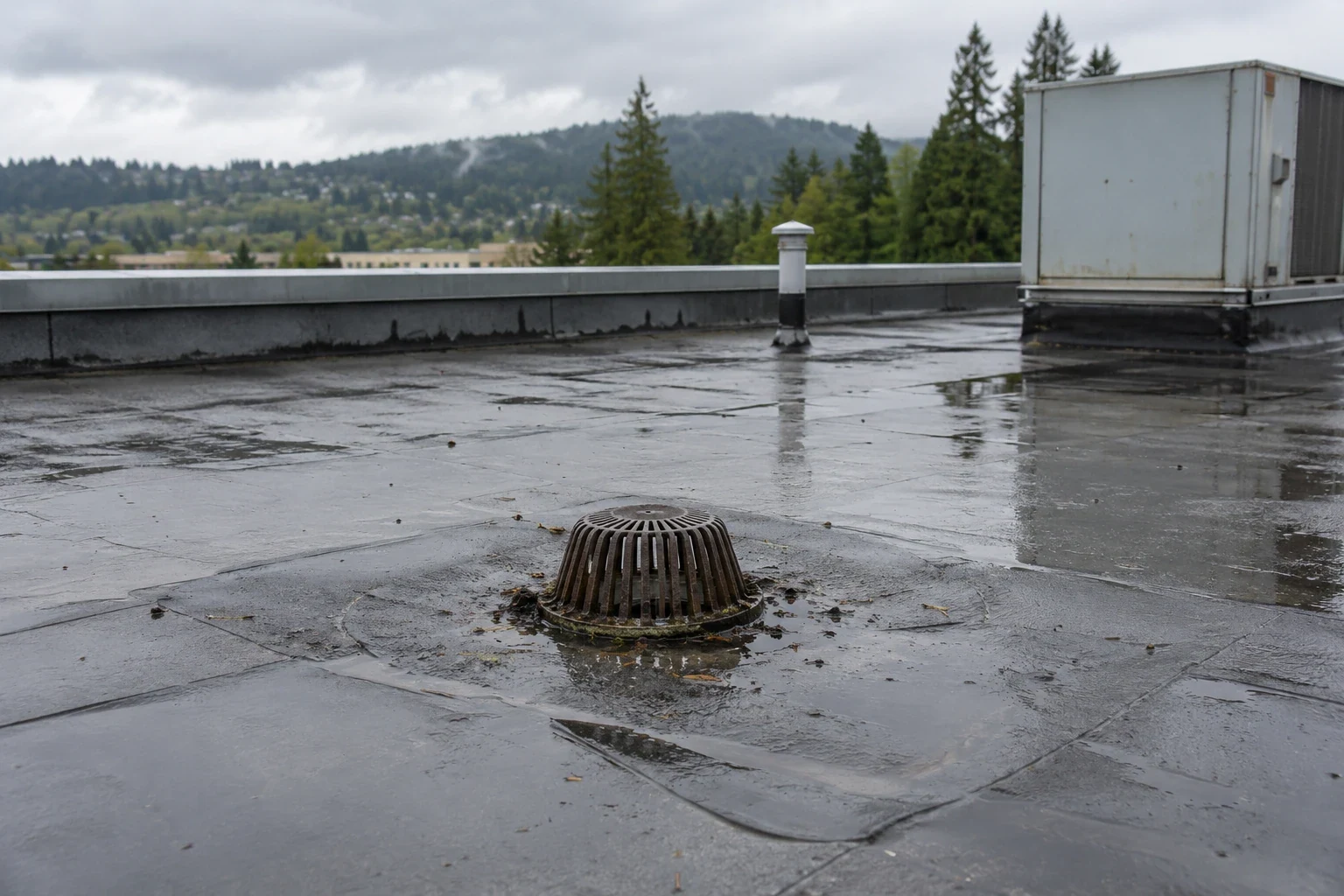
Penetrations are the hardest part. Each pipe, curb and drain needs plies stripped in around it. A drain with a poor flashing ring is where an older BUR roof starts to leak.
Old BUR and what to do with it
Existing built-up roofs fail at flashings, at blisters and under ponded water. Alligatoring in the asphalt, felt ridges and bare patches in the gravel are the common signs.
A moisture survey maps the wet areas. If the insulation is dry, a coating or a recover may extend life. If it is saturated, those sections come out. A full replacement makes sense when the wet area is large or the plies have separated.
Tear-off of old BUR is heavy work. Gravel, felts and insulation come off in bulk, and disposal is a real cost. We include the haul-off on the bid. On the waterfront near the Bellingham Shipping Terminal and Marine Drive, staging room can be limited, so staging gets planned early. A newer alternative is modified bitumen, which keeps the layered logic with lighter rolls.
Commercial Roofing Questions
Why would an owner still choose built-up over a single-ply sheet?
Redundancy and traffic tolerance. Several plies cover each other's defects, and the gravel or cap surface takes foot traffic from the mechanical trades. For roofs with heavy rooftop activity, that tradeoff is real.
What happens if the building cannot allow a kettle?
We price a cold-applied or self-adhered modified bitumen build, which gives a layered roof without hot asphalt. The fire plan, fume plan and intake locations go on the bid either way.
Does gravel hide leaks?
It can. Water runs under the stone before it shows inside, so a stain may sit far from the entry. We pull back the gravel at suspect spots and read the felts directly.
How much does a built-up roof weigh?
Enough that a structural check comes first on older buildings. Gravel adds a lot, and several plies add more. A cap sheet finish cuts the weight, and a single-ply system cuts it further.
Can a coating save an aging BUR roof?
If the insulation is dry and the plies are bonded, yes. A coating seals the surface and extends life. If the felts are separating, the coating hides a failing assembly, so we probe first.
Send the roof plan and the hot-work rules
Send the drawings, the roof spec and any limits on hot asphalt. We will price the plies, the surfacing, the flashing and the kettle logistics as separate lines before the bid closes.