Commercial Roofing in Fairhaven, Bellingham, WA
Commercial roof repair and replacement in Fairhaven, Bellingham, WA, planned around design review, waterfront wind and a short dry season.
Commercial Roofing in Fairhaven, Bellingham, WA
Commercial roof repair and replacement in Fairhaven, Bellingham, WA, planned around design review, waterfront wind and a short dry season.
Service Areas
Fairhaven in Bellingham
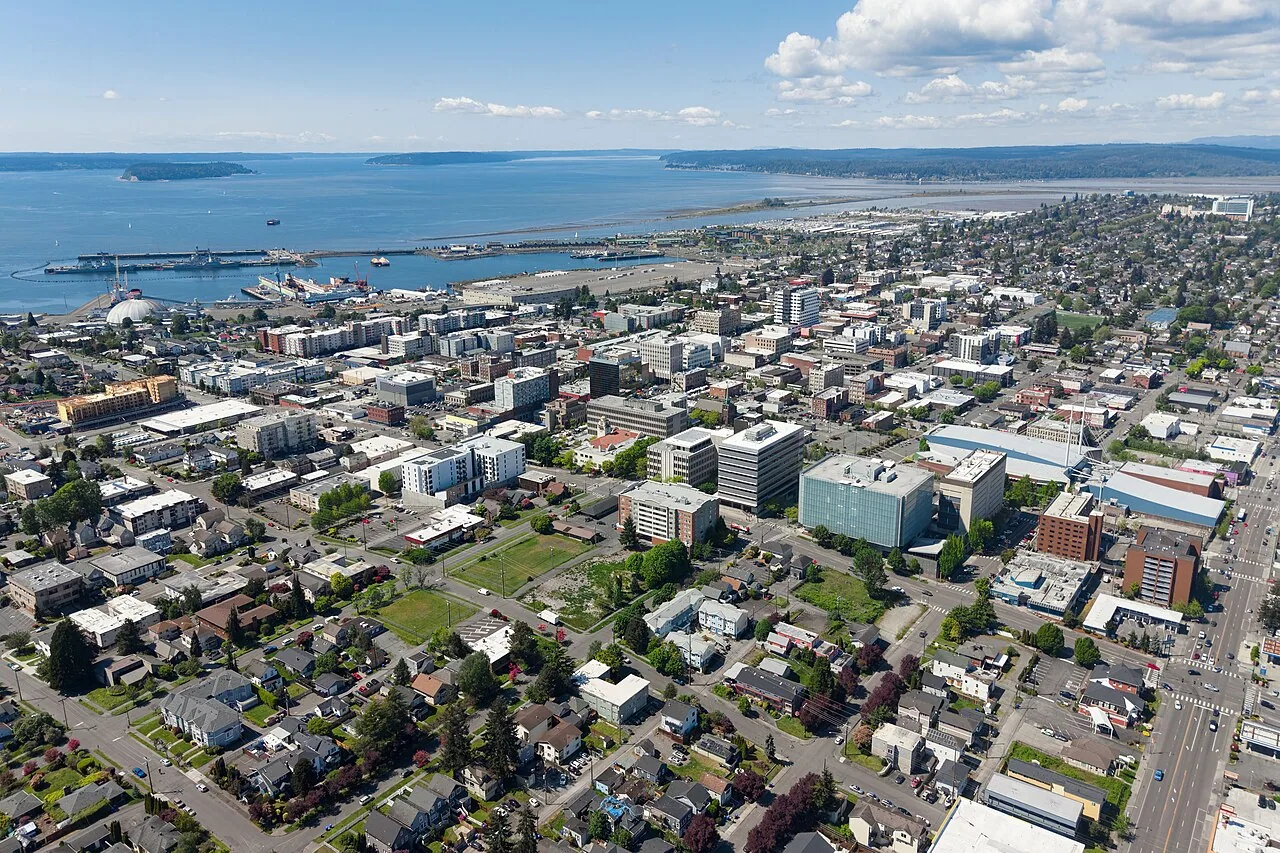
A change in roof metal color in Fairhaven can need a design review that takes longer than the roof. The district, a National Register historic district on Bellingham Bay, follows 19th-century style rules for new buildings. That puts approvals on the critical path of every exterior job. We read the review calendar before we read the drawings.
Fairhaven roofs sit under bay wind and rain. Send the drawings, the review status and a target window, and each termination, metal line and review day gets priced before the bid closes.
Overview
Fairhaven
Design review on the critical path
Style rules apply to new buildings in Fairhaven. Whether an exterior change to an existing one draws review is a question for the city. A new coping color, a taller parapet or a different roof profile are the changes we raise with it. Review adds weeks. The weeks come before the order, not after.
We flag review needs on the first walk. We list every visible change: metal color, edge profile, penetration locations, rooftop screens. We prepare the submittal with product data and photos. We carry the review days on the schedule as their own line.
A like-for-like replacement on a roof that cannot be seen from the street is a different job from a visible metal change. We confirm with the city before we promise either result.
The submittal package is short but specific. It lists the manufacturer, the product, the color and the profile, and it includes a sample and a photo of the existing condition. A complete package clears sooner. We assemble it, send it to the owner for sign-off and track the response.
What operates in the district
Fairhaven is the southern end of the Alaska Marine Highway, a role it has held since 1989, and it hosts the Bellingham Cruise Terminal. Fairhaven Station serves as Bellingham's Amtrak Cascades stop and Greyhound depot. The Port operates the Fairhaven Marine and Industrial Park.
That mix of transit, marine and industrial use means many building types in one district. Terminals, depots and shops carry different roof loads, drainage and wind exposure. A building that handles crowds needs clean staging and quiet hours. A marine shop needs corrosion-resistant hardware.
We treat the district as a set of building types, not one type. The first walk records what each roof is, what is under it and what rules apply to it.
Rail and bus depots see steady foot traffic under canopies and shelters. Canopy roofs are small and low, and a leak on them drips on riders. We flash and drain them as separate items and test them with water at the punch walk.
Bay wind and salt
Fairhaven sits on Bellingham Bay. Wind comes off the water, and salt rides with it. Fasteners, edge metal and sealants take more wear near the bay than inland. The 67 mph gust of March 2016 and the easterly wind of the November 2024 bomb cyclone in Sudden Valley both show what a bayfront roof can face. We specify edge metal gauge, fastener spacing and corrosion-resistant hardware. We probe seams and pull-test caps before handover. We check sealant at counterflashing every spring. A cap that holds in a pull test holds in a gale.
For owners near the waterfront, a yearly preventive maintenance visit catches rust streaks and open joints before they leak.
Marine shops and depots near the water see spray and damp air year-round. Low sunshine, about 1,866 hours a year, keeps shaded membranes wet and favors moss. We clear moss from drains and valleys at every visit, and we note where shade holds moisture. A membrane in permanent shade ages differently from one in the open, and the file records both.
What moves the number
Six items move a Fairhaven roof price. They are review time, access, tear-off layers, insulation, metal and tenant impact. Energy rules adopted on March 15, 2024 govern insulation depth, and depth governs flashing height on a bayfront roof. Thicker board lifts every flashing. Layers matter, because the 2021 International Existing Building Code limits how many a roof may carry. We count them at the first walk. A recover over a dry roof can skip the tear-off. Narrow streets limit crane picks. Hand carry costs labor. A lift costs a permit. We pick the method on site and show the owner the alternatives.
Metal is the item with the longest lead time. Custom-bent copings and flashings in a specific color take weeks to fabricate. The lead time sits on the schedule beside review. We place the order the day approval lands and carry the lead time on the calendar.
Tenant impact adds a line when shops or offices stay open. Noise goes to early hours. Staging stays off sidewalks. Notice goes out a week ahead.
Dry-in over a short summer
Rain at about 34.8 inches a year falls on Bellingham, with the peak in November and the low in July, and about 1,866 sun hours leave a deck near the bay damp for long stretches. Summer is the dry season, and a district with a cruise terminal and a ferry line may see its streets fill when the weather is best.
We book early and plan to open only what we can close. Material stays under cover. A tarp crew stands by. If review pushes the start into fall, we price a wet-season method: small areas, same-day close and covered staging. The bid carries the cost. The owner compares it with waiting a year.
Spring is the second window. Rain eases, tourists have not yet arrived and review is often cleared by then. An early-spring start leaves room for delays and still finishes before the summer rush.
Punch walk and records
The owner walks the roof with us at punch. The final walk covers seam probes, cap pulls and a flood test at each drain. Open items are named and dated. The warranty packet comes after the list is closed. That record helps the next review, the next lender and the next roofer. It also helps neighboring districts. Downtown Bellingham and the Marine Drive waterfront follow the same steps with different rules. A hotel or a restaurant in the district adds guest or kitchen rules on top.
A spring check each year keeps the file current: seams re-probed, drains cleared and the log updated.
Commercial Roofing Questions
Does every Fairhaven roof need design review?
No. Roofs hidden behind parapets often do not. Visible changes in color, profile or height are the usual triggers. We confirm with the city before we promise a result.
How long does review add to the schedule?
It adds weeks, and the city sets the pace. We carry the review days as a separate line and order material after approval.
What fasteners suit a bayfront roof?
Corrosion-resistant hardware, spaced to the wind load. We probe and pull-test after install and check again each spring.
Can a roof job run during cruise or ferry season?
Yes, with early starts and clean staging. Streets fill in summer, so we book lifts and deliveries around peak hours.
What if review pushes the start into fall?
We price a wet-season method with small areas and same-day close. The owner can compare it with waiting for summer.
Why does metal lead time matter in Fairhaven?
Custom colors and profiles take weeks to bend. If review is slow, the metal order slips and the install slips with it.
Send the drawings and the review status
Send the roof plan, the review status and your target dry-in window. We will price every termination, metal line and review day before the bid closes.