
Roof Systems
Roof Systems for commercial buildings in Bellingham, WA and Whatcom County.
Roof Systems
Roof Systems for commercial buildings in Bellingham, WA and Whatcom County.
Commercial Roofing in Bellingham, WA
Roof Systems
The membrane is picked by the weakest detail on the roof. A sheet that welds well but meets a curb badly is the wrong sheet. In Bellingham, WA, where November rain and slow-drying decks cut the number of real install days, the choice also follows the calendar. Every system here has a weather window, and some windows are short.
The systems fall into five families. Each suits a different building, a different exposure and a different budget.
Roof Systems
More Detail
Good to Know Before You Call
Single-ply sheets
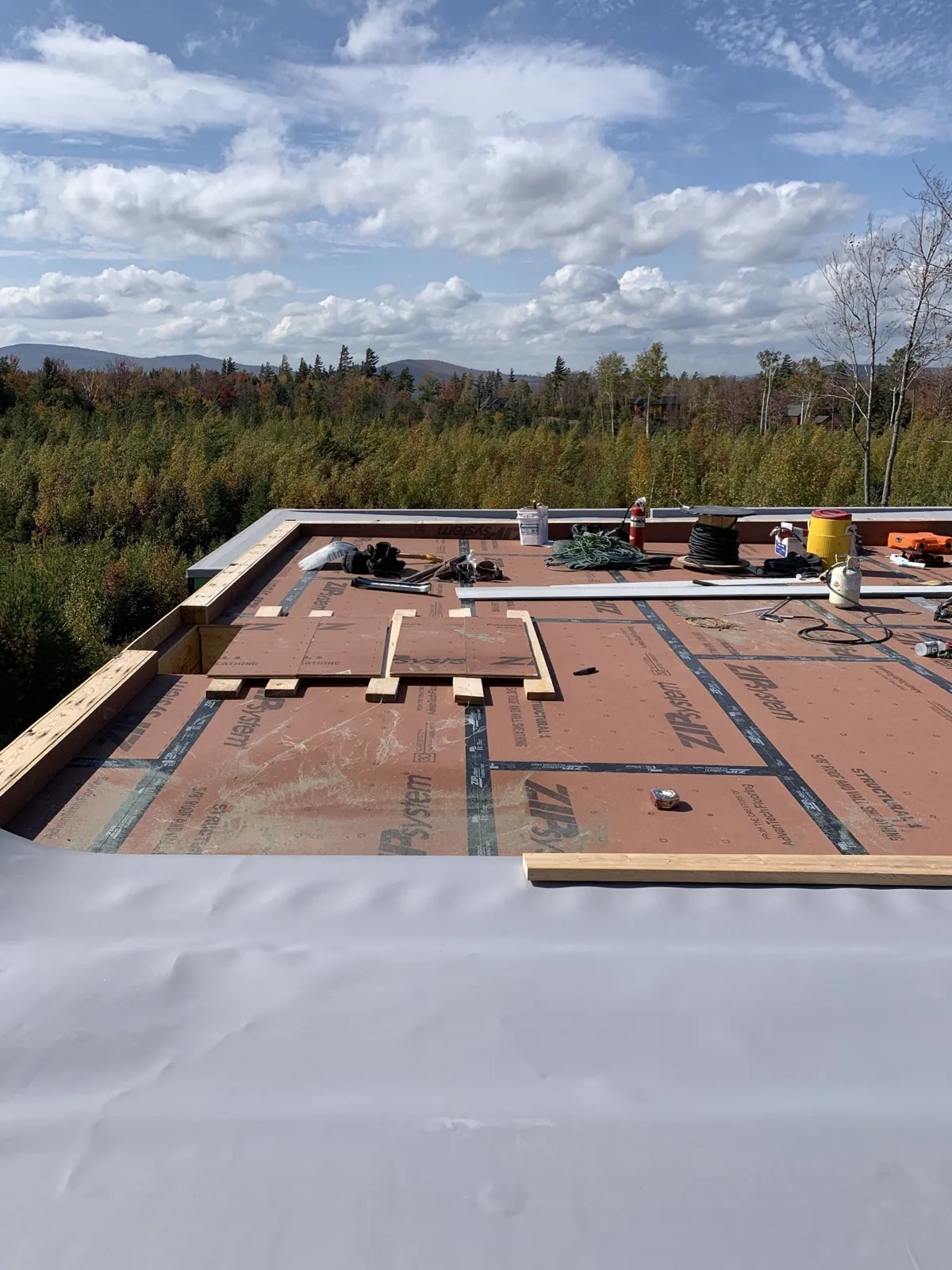
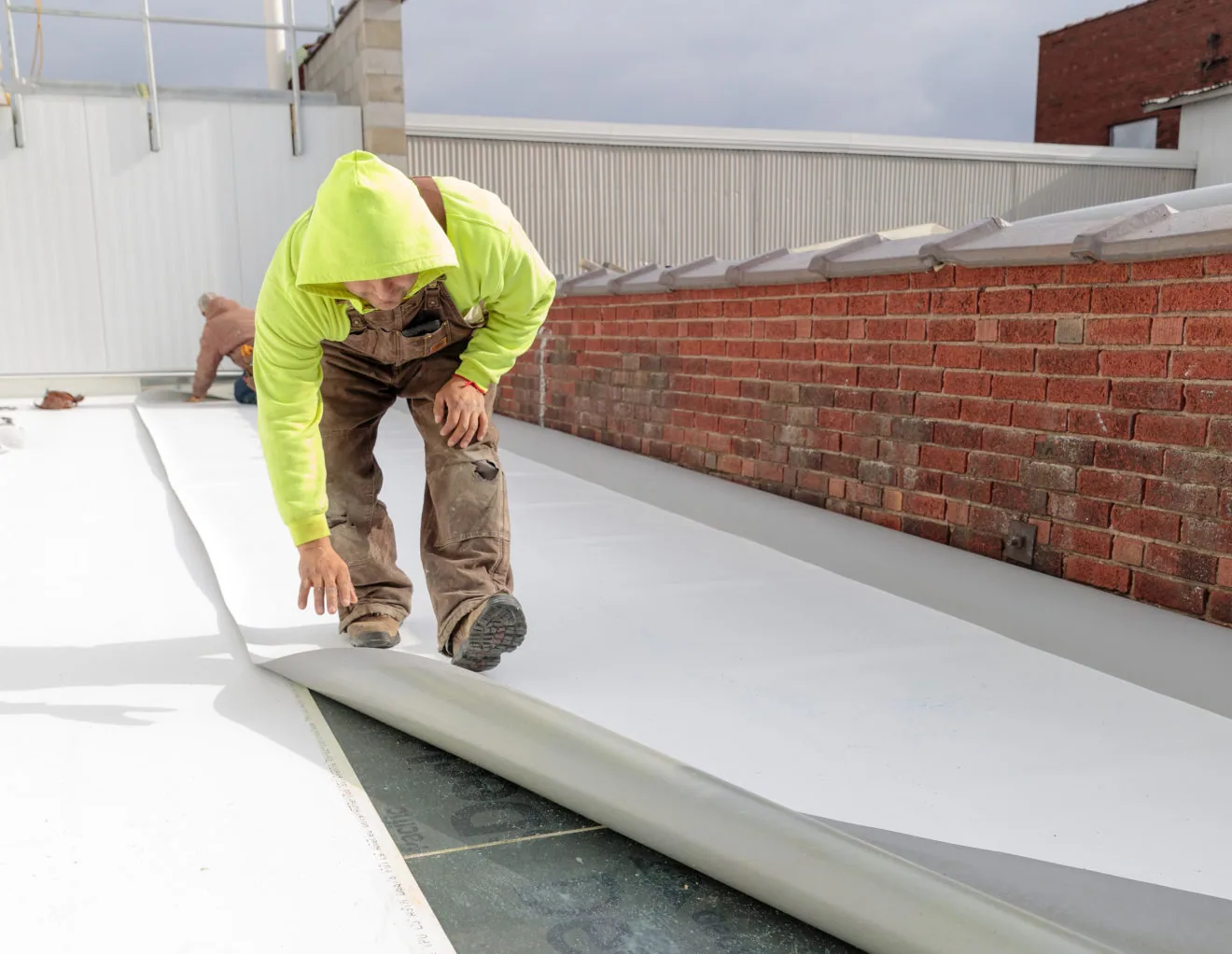
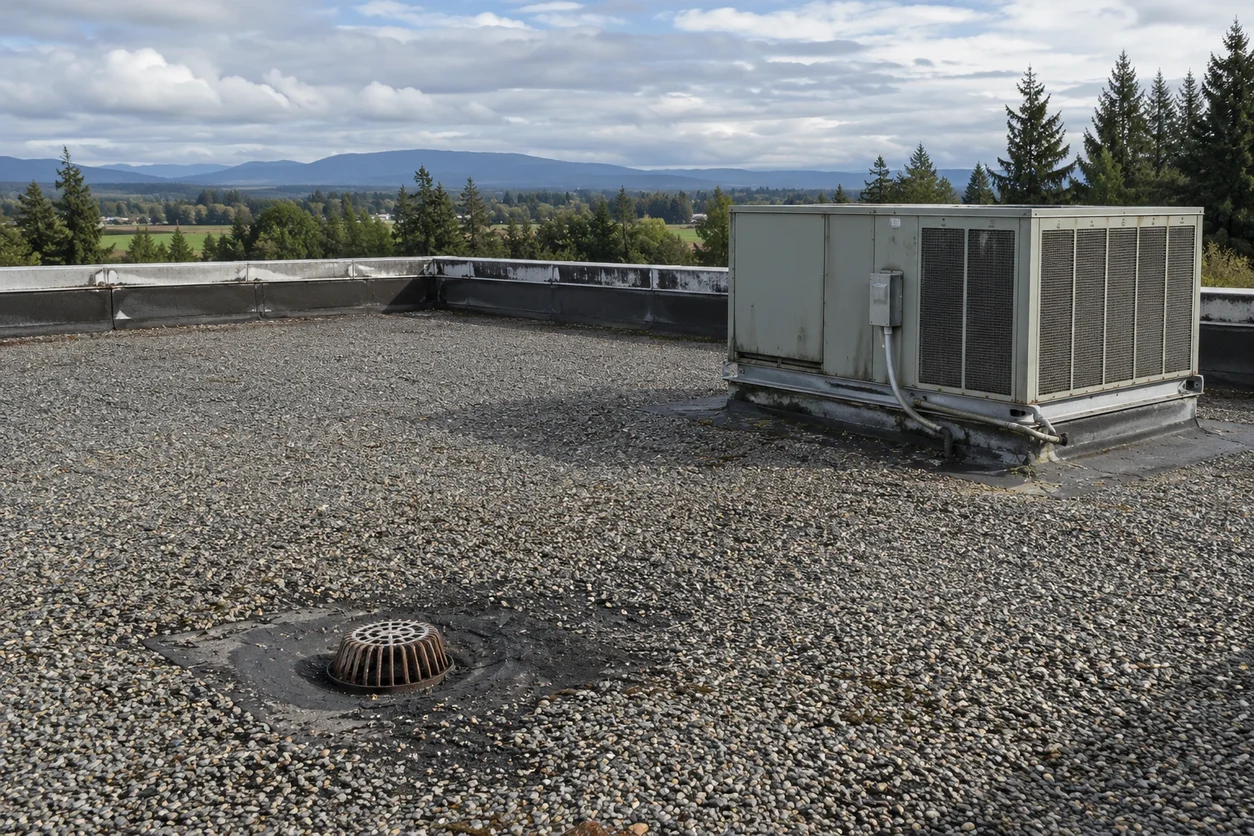
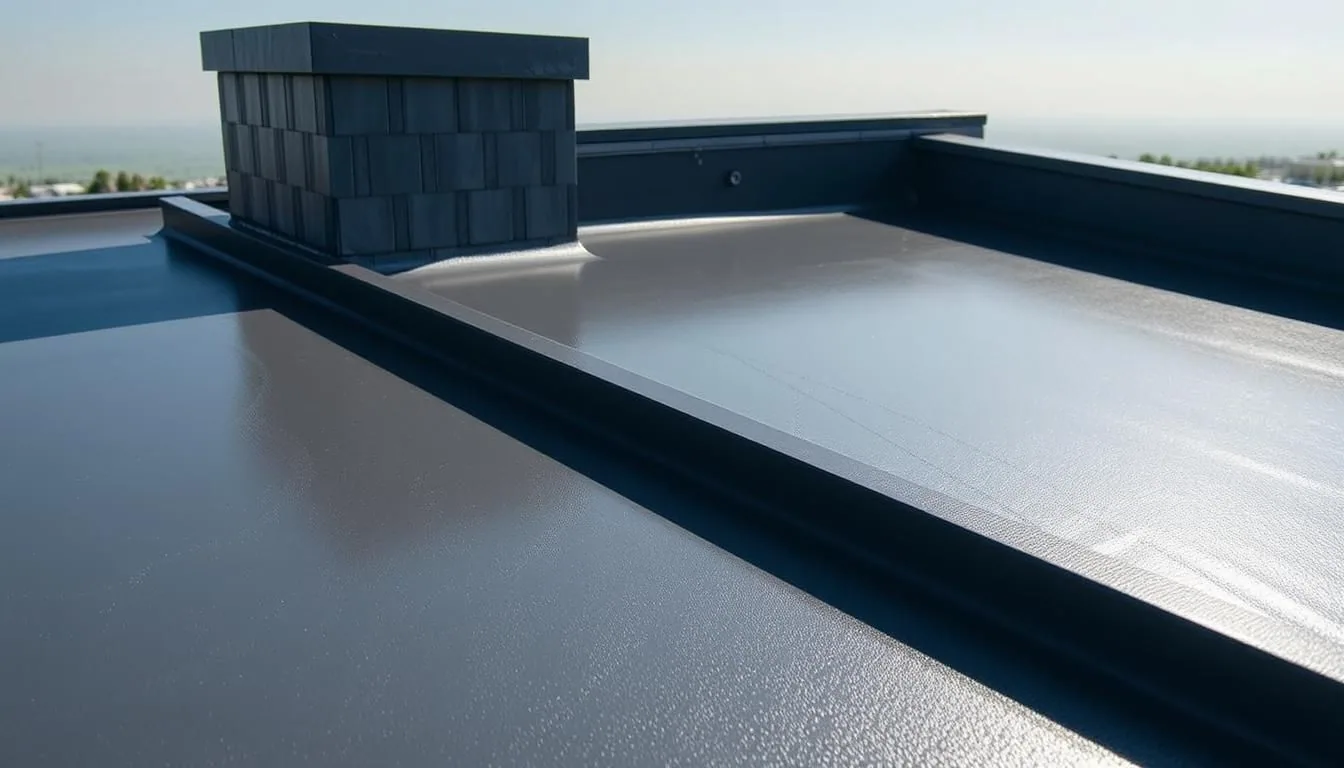
TPO welds with hot air and suits broad dry roofs. PVC resists grease and chemicals, which matters under kitchen and plant exhaust. EPDM is a flexible rubber sheet that handles cold. KEE is a PVC-alloy for the hardest chemical exposure. Seams, flashing and the weather window decide the install.
Layered and bituminous
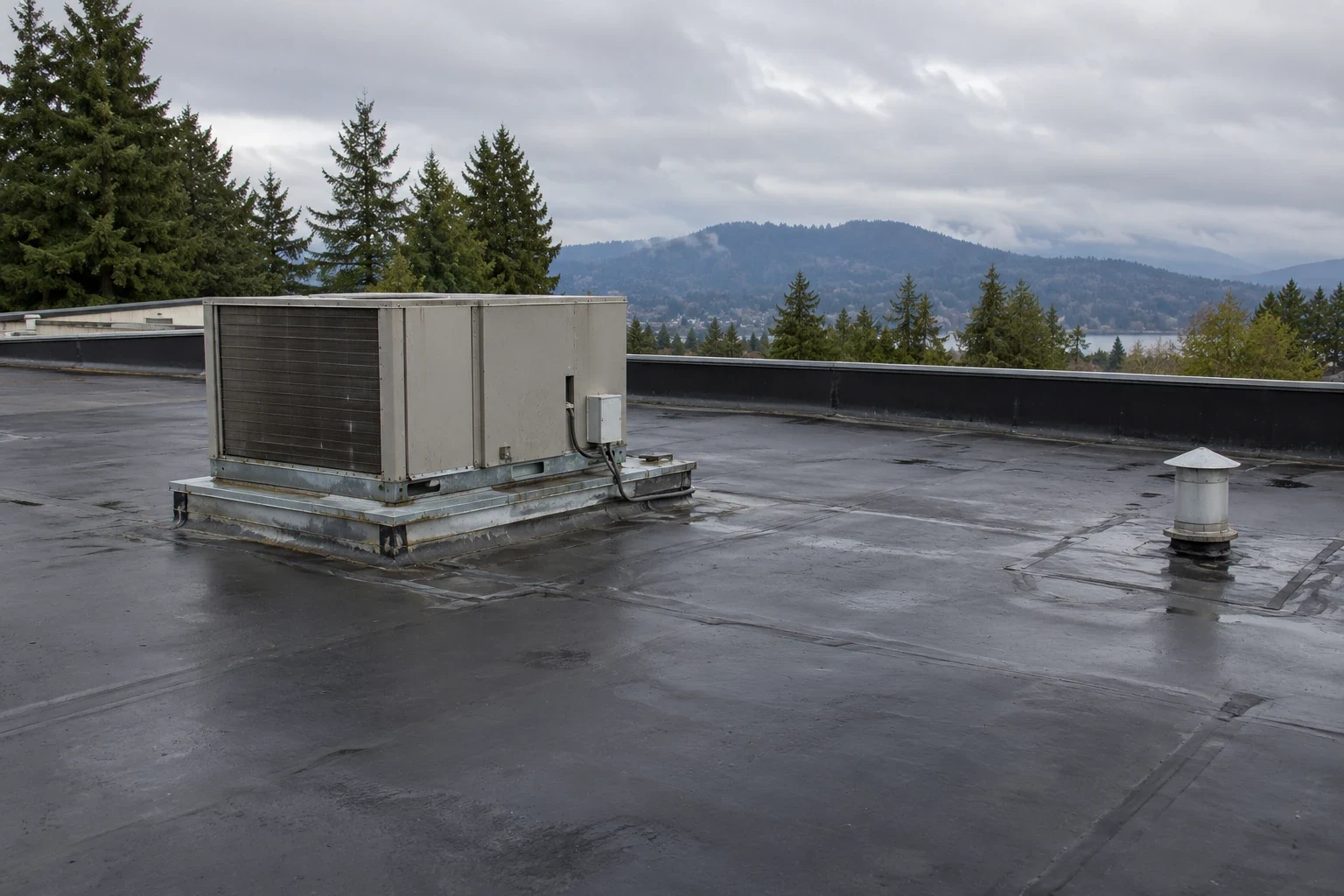
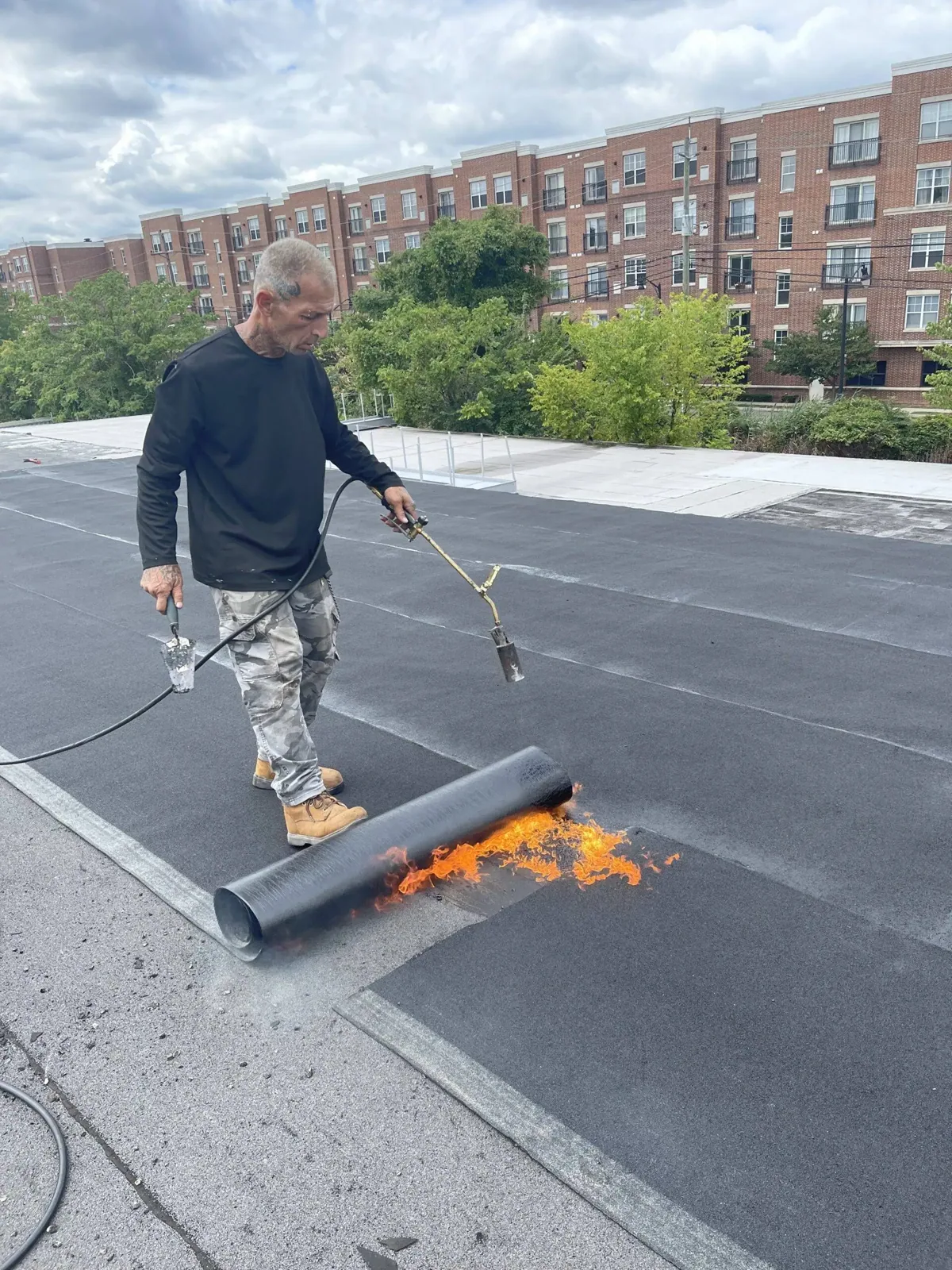
Modified bitumen adds polymer to asphalt and goes down in plies. Built-up roofing stacks felts and hot asphalt under gravel or a cap sheet. Both tolerate foot traffic and forgive small defects. Both cost more crew days than a single sheet, and torch work needs a fire plan.
Metal
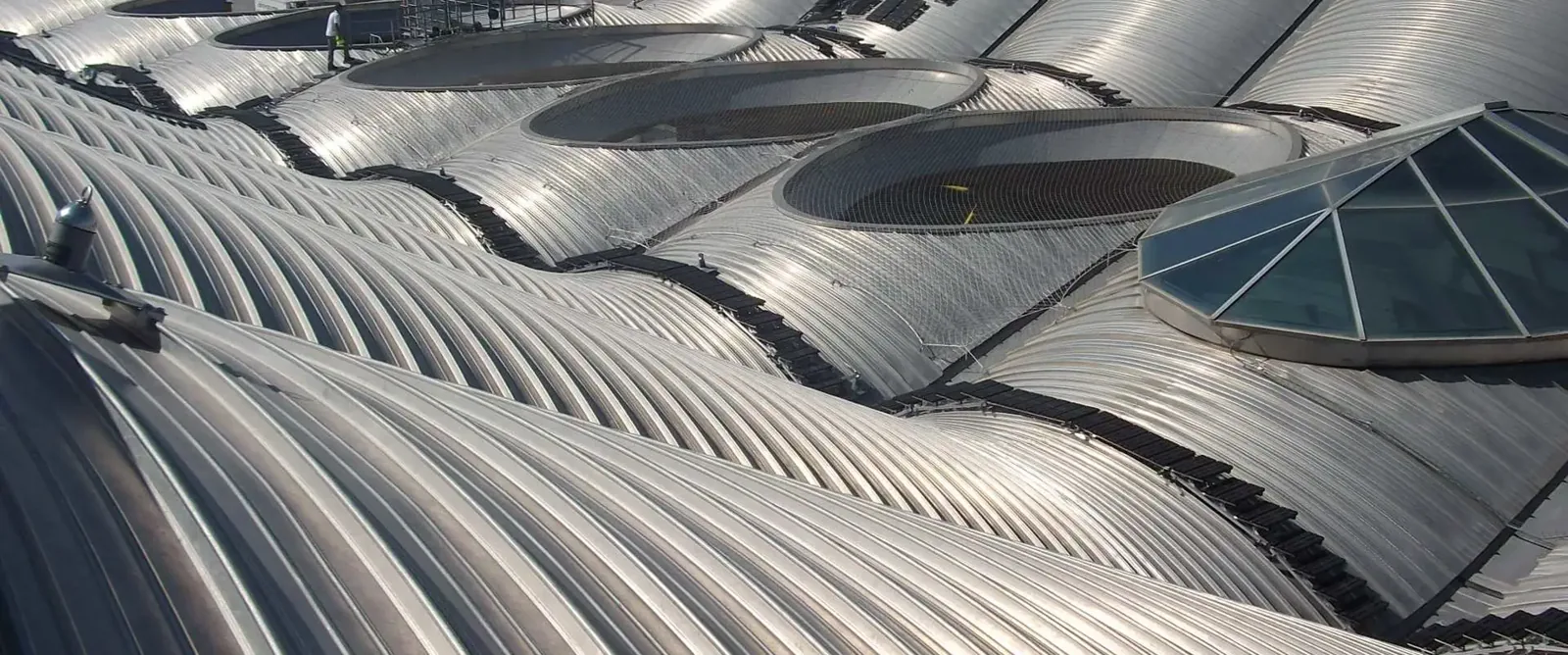
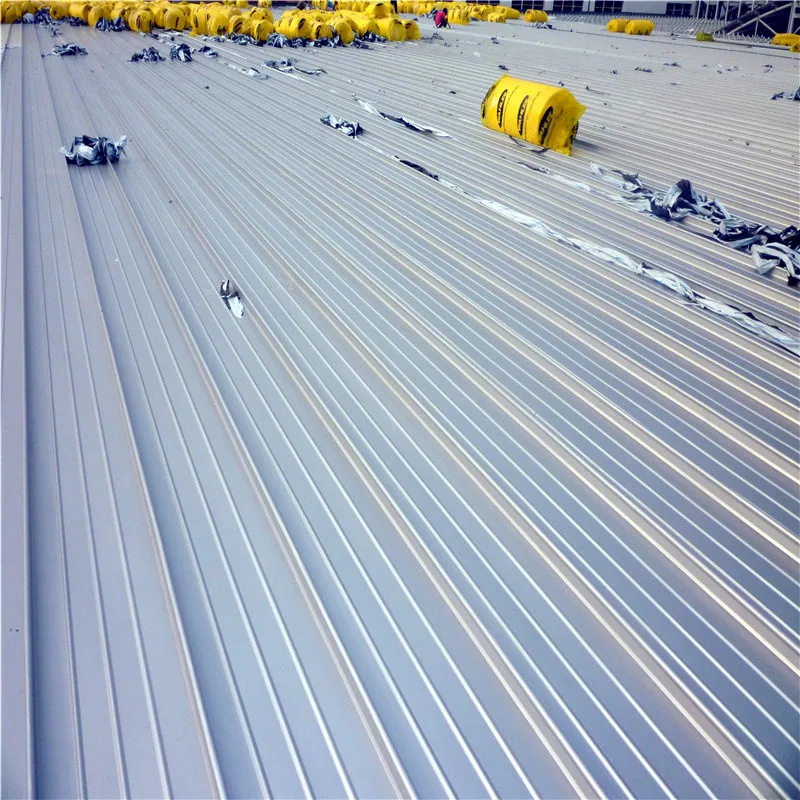
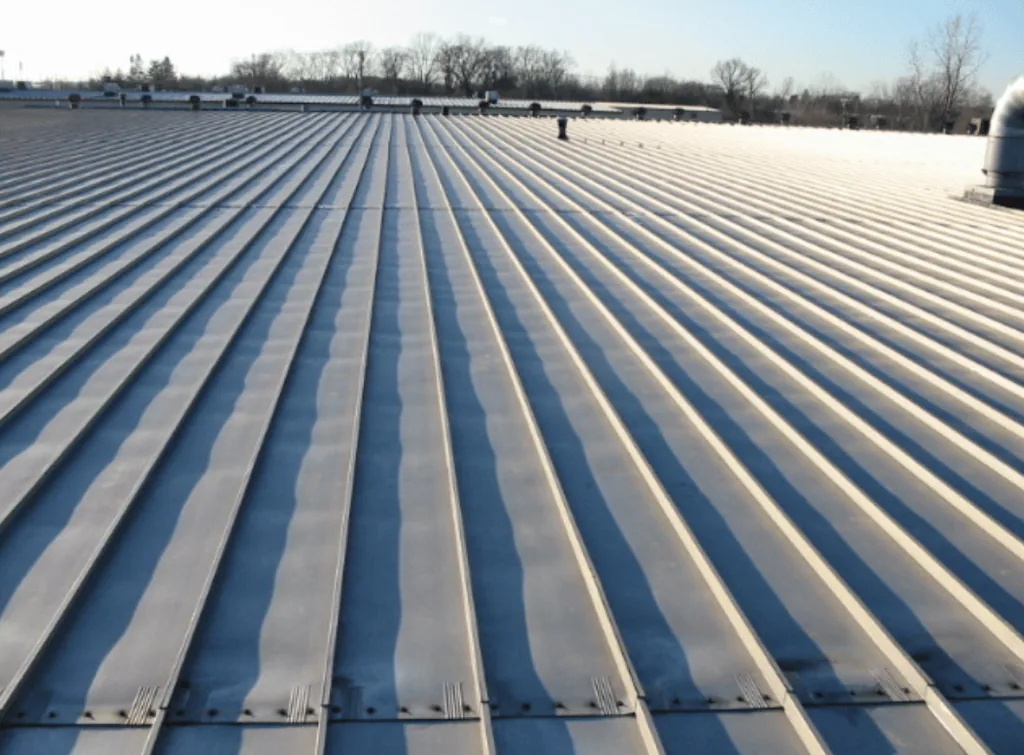
Standing seam hides its fasteners under raised ribs and sheds snow fast. Coil lead time sets the schedule. An older exposed-fastener roof can be restored or covered through a metal roof retrofit, depending on panel condition and deck moisture.
Foam and coatings
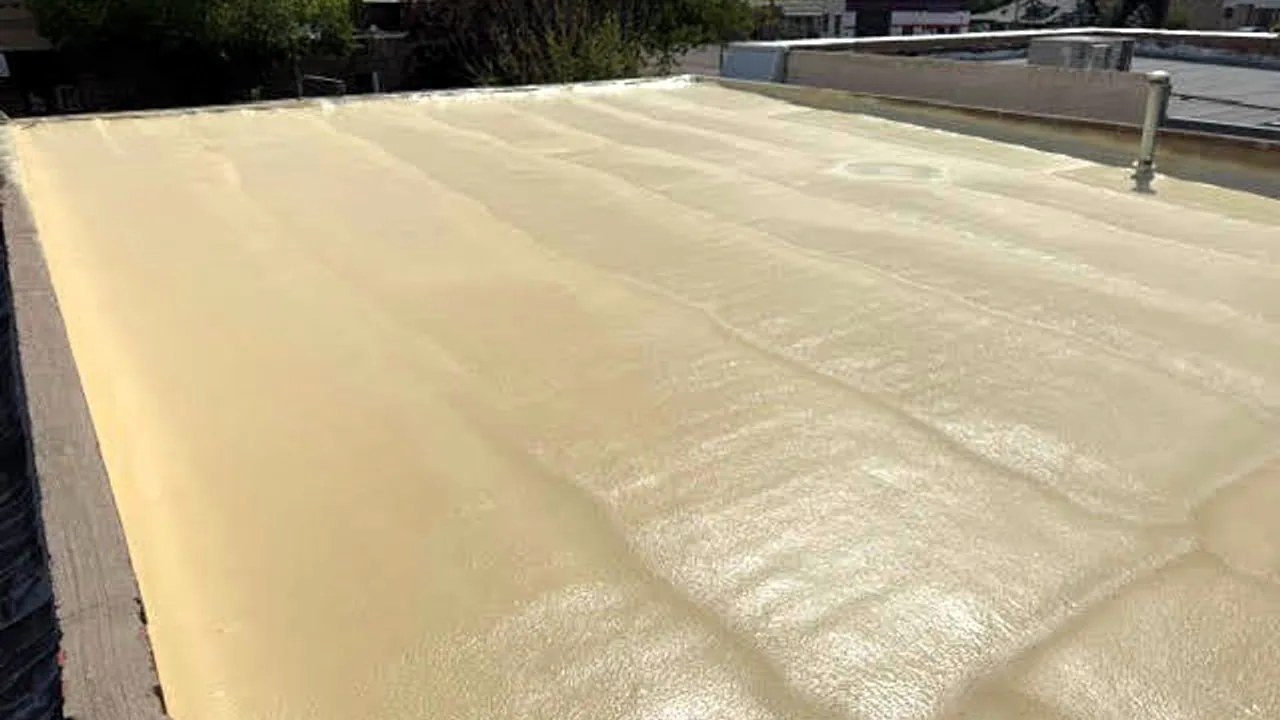
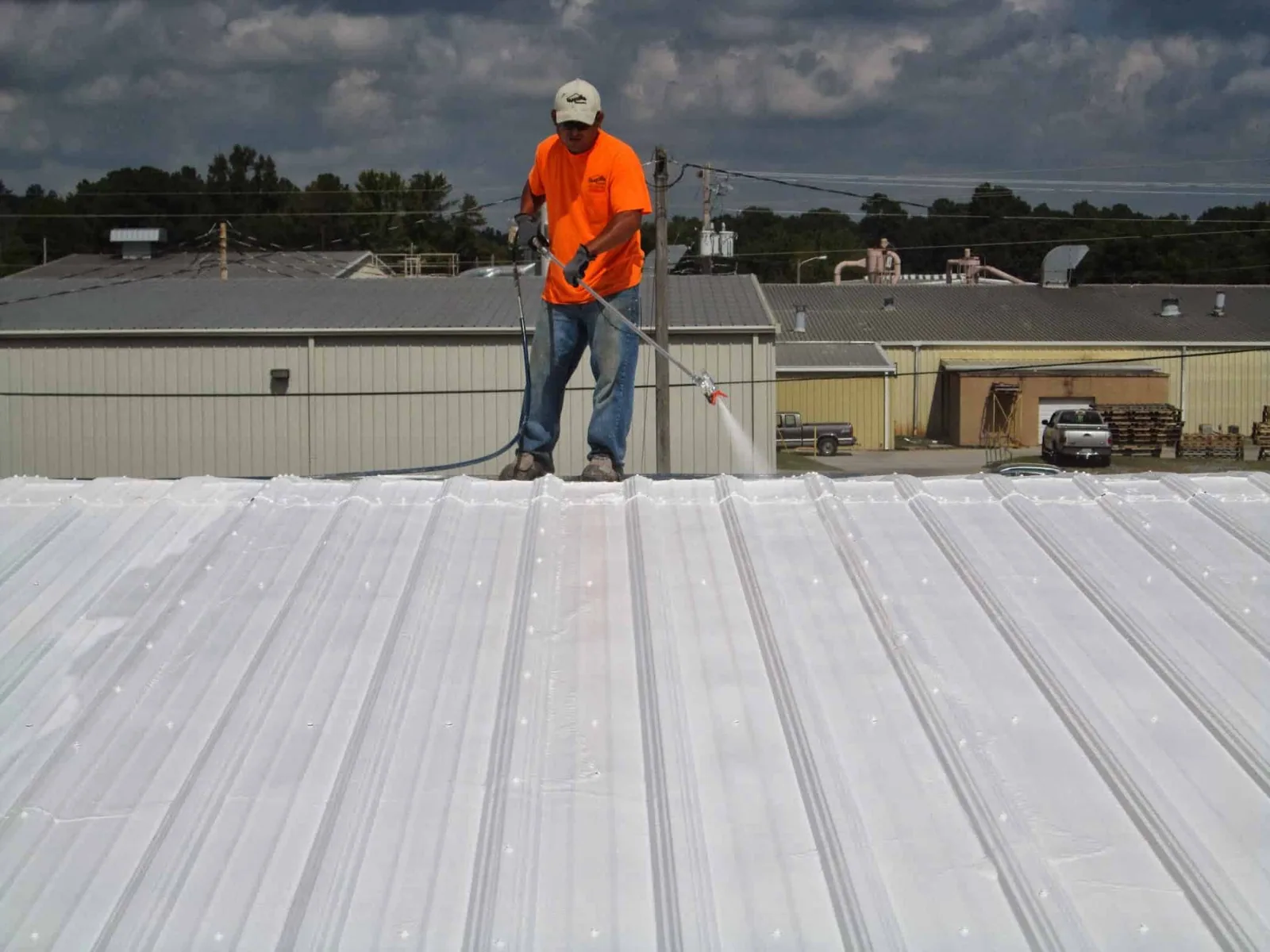
Spray foam insulates and waterproofs in one pass, and it needs dry, calm days. Silicone tolerates ponding and damp air. Acrylic costs less and wants a rain-free cure. Coatings restore a sound roof. They do not rescue a wet one.
How the pick gets made
Four things lead. Moisture in the existing assembly. Wind exposure at the edges, from the March 2016 gusts of 67 mph to the November 2024 bomb cyclone that hit Sudden Valley. What vents onto the roof. And the dry-in window. A roof near Marine Drive adds salt air. A roof near PeaceHealth St. Joseph adds shutdown windows. We price the options side by side so the gap is visible.
Lead times matter as much as price. Metal panels are cut from coil ordered months ahead, and prefabricated PVC panels start with a roof survey. A summer start needs spring orders. We tie each order date to the dry-in date and name the approvals that gate it.
Commercial Roofing Questions
Which system suits a flat roof that ponds?
Silicone tolerates standing water better than most coatings, and a welded PVC sheet handles ponding well. We fix the slope where we can with tapered insulation or added drains.
What changes if grease vents onto the roof?
The sheet. PVC and KEE resist fats and oils far better than rubber. We ask for the exhaust list before naming a system.
Does the energy code change the roof stack?
On a replacement, yes. The 2021 Washington State Energy Code took effect statewide March 15, 2024, and insulation levels follow it. Thicker boards raise every flashing.
Which systems work best near salt water?
Most single-ply sheets and metal hold up, provided fasteners and edge metal are stainless or coated. Plated hardware rusts through quickly at the waterfront.
Send the spec and the exposure list
Send the drawings, the roof spec and a note on what vents onto the roof. We will price the options as separate lines before the bid closes.