Commercial Roofing in Sudden Valley, WA
Commercial roof repair and storm response in Sudden Valley, WA, just outside Bellingham, with wind damage, road closures and material access in the bid.
Commercial Roofing in Sudden Valley, WA
Commercial roof repair and storm response in Sudden Valley, WA, just outside Bellingham, with wind damage, road closures and material access in the bid.
Service Areas
Sudden Valley in Bellingham
Lake Whatcom Boulevard stayed closed for days after the November 2024 storm, and trucks could not get in or out. A road closure is a roofing event. It stops material, delays crews and stretches a tarp job into a week. Sudden Valley, WA is a census-designated place just outside Bellingham with 6,354 residents in 2020, and any commercial roof there has to be planned with one road in mind.
Send us the drawings, the access constraints and the target dry-in window. We will mark each termination, metal line and delivery before the bid closes.
Overview
Sudden Valley
What the 2024 storm did
The November 2024 bomb cyclone brought unusually damaging easterly winds to the area. At least 16 Sudden Valley homes were damaged, and Lake Whatcom Boulevard was closed for days. South Whatcom Fire Authority logged 22 storm incidents across the area in the same event.
Those facts concern homes and a road, not commercial roofs. They still tell a roofer how wind behaves here. Easterly wind found loose parts on homes, and it will find them on commercial roofs too. For any commercial building in the area, that means a storm checklist: caps, copings, flashings, screens, signs and rooftop equipment tie-downs. We run it after a blow and before the next season.
A storm checklist is short, and it pays. Caps get pulled by hand. Where a building carries a rooftop sign or screen, its base plate is checked for tightness and logged beside the date, so the next storm walk starts from a known baseline. Screens and sign mounts get a wrench. Equipment curbs get a tie-down check. Drains get a flush. Any part that moves gets fastened or replaced, and every fix is dated. A building that runs this list twice a year spends little on it and has a record that settles questions later.
When the road closes
A closure like that one limits how a job runs. When the road closes, deliveries stop. If a crane needs the road, traffic must pass around it. If a truck cannot turn at the site, material goes up by hand.
We plan in three layers. First, we stage material on site early enough to cover a closure. Second, we keep a tarp kit and a patch kit on the roof so an emergency does not wait for a truck. Third, we pick a backup day for every delivery. The bid shows the cost of each layer. Emergency crews respond at any hour, and the plan states how they reach the site if the main road is blocked.
Crew safety changes with the road, too. A closure that strands a crew on a roof at dusk is a hazard. We set a stop time each day that leaves room to get off the roof and off site before light fades, and we keep a lead on the phone with the property contact until the last truck leaves.
Storm response and repair
After a wind event, the order of work matters. First comes safety: loose metal, hanging screens and downed lines. Second comes dry-in: tarps and temporary patches that keep water out. Third comes the written record: photos, dates and a list of what moved. Permanent repair follows once the owner and the adjuster agree on the scope.
Our storm damage roof repair work and our insurance claim documentation follow that order. A clean record separates old wear from storm damage, which shortens disputes over scope. We give the owner the photo set and the repair log in a format an adjuster can read in minutes.
Temporary repairs deserve a plain explanation. A tarp or a patch keeps water out for days or weeks, not for years. It buys time for the adjuster, the permit and the material order. We state how long each temporary fix should last and what inspection date goes with it, so a tarp does not become a permanent roof by accident.
What shapes the price
Access, edge work, deck condition, insulation depth and weather float set the price. The sheet itself costs less than any of them. A new assembly must meet the energy code adopted on March 15, 2024, and a deeper insulation layer means taller flashing at every curb and wall. Early staging, a backup delivery day and a standby tarp kit each add a line. The owner sees them separately and can drop one if the risk is acceptable. Deck repair is carried as an allowance and a unit rate, since the damage stays hidden until the old roof is off. Both numbers reach the owner before award, so a surprise already has a price.
Weather float is its own line. On a job that depends on one road, the schedule carries extra days, and the bid says how many and why.
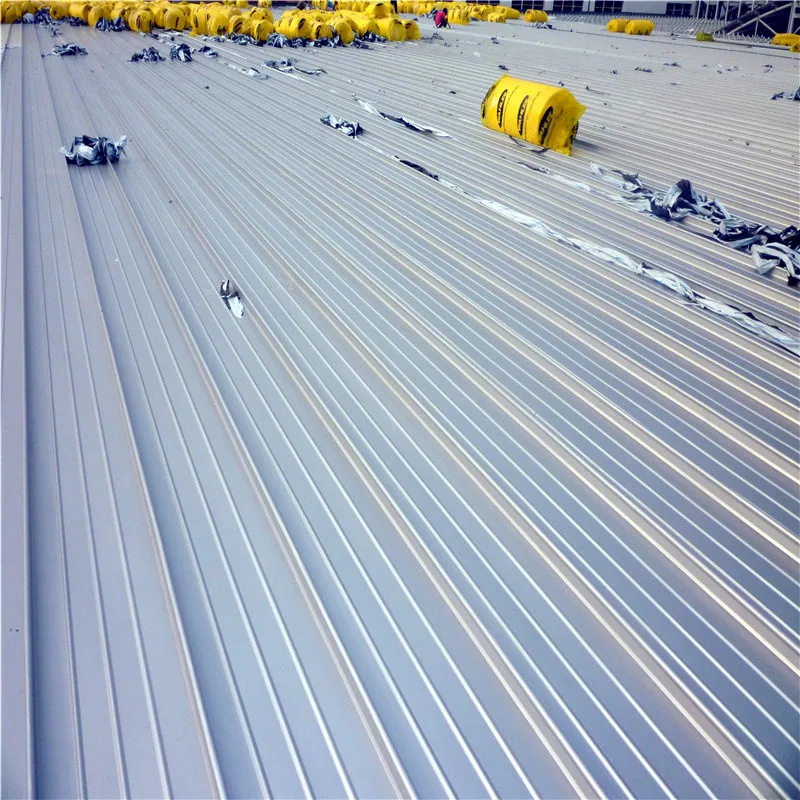
A standing seam metal roof deserves a look on exposed sites. Concealed fasteners and continuous panels resist uplift well when the clips, seams and edge details are done right, and the choice goes on the bid beside single-ply with life and wind rating compared.
Rain, sun hours and the dry window
Decks stay damp near Bellingham: roughly 34.8 inches of rain a year, with sunshine adding up to only about 1,866 hours. Our target is metal and terminations closed by the end of September. When a repair cannot wait, small openings, same-day close and covered material apply, and the premium is priced openly. The 67 mph gust of March 2016 stripped a Bellingham storefront of its stucco, so wind is never off the table, even in a good month.
Spring is the second good window for permanent repairs after winter wind has done its work. Rain is easing and the schedule is open. A spring walk also finds what the wet season loosened, which makes the summer scope more accurate.
Handover and neighboring areas
The punch walk covers seams, caps, screens and drains, and every open item is assigned a name and a date. The owner receives a roof map, photos and a log of penetrations and repairs. Work in Sudden Valley can be planned alongside Barkley on the east side of the city and with Sehome and the university district. A multifamily building or a small retail bay in the area follows the same steps.
A yearly spring check keeps the file current, with seams re-probed, drains cleared and photos retaken, and owners who keep that record move faster through an insurance review.
Commercial Roofing Questions
What happens if the only road in is closed?
Material staged on site and a tarp kit on the roof keep the job safe. We pick a backup day for each delivery and state it on the schedule.
What does a post-wind checklist cover?
Caps, copings, flashings, screens, signs and equipment tie-downs. We fix what is cheap now and log the rest.
Can you help with an insurance claim after a storm?
We supply photos, dates and a repair log that separate old wear from storm damage. The adjuster decides the claim.
Is a metal roof better in exposed areas?
It can be, if the clips, seams and edge details are done right. We compare it with single-ply on cost, life and wind rating.
How fast can emergency crews arrive?
They respond at any hour. Travel time depends on road conditions, and the plan states the route if the main road is blocked.
How long does a tarp or temporary patch last?
Days to weeks, not years. We state the expected life and set an inspection date so the temporary fix gets replaced on schedule.
Send the drawings and the access notes
Send the roof plan, the access constraints and your target dry-in window. We will price every termination, metal line and delivery before the bid closes.