Roofing for Manufacturers in Bellingham, WA
Roof planning for Bellingham, WA manufacturers and processors: exhaust and chemical exposure, shutdown windows, moss control and priced repair lines.
Roofing for Manufacturers in Bellingham, WA
Roof planning for Bellingham, WA manufacturers and processors: exhaust and chemical exposure, shutdown windows, moss control and priced repair lines.
Industries We Serve
Roofing for Manufacturers in Bellingham
An exhaust stack discharges onto the membrane below it every shift. Hot air. Moisture. Oil mist. Over a few years, the sheet near the stack looks different from the rest of the roof. That is the first thing a plant roof tells you in Bellingham, WA. The second is the weather. Rain comes to about 34.8 inches a year under roughly 1,866 sunlit hours, so a plant roof stays damp longer than most. Process heat from below and rain from above meet at the deck.
Plant managers measure a roof in lost shifts. A leak over a line is a stopped line. We plan roofs around the production calendar: the shutdowns, the slow weeks and the dry months. The repair lands where the plant can take it.
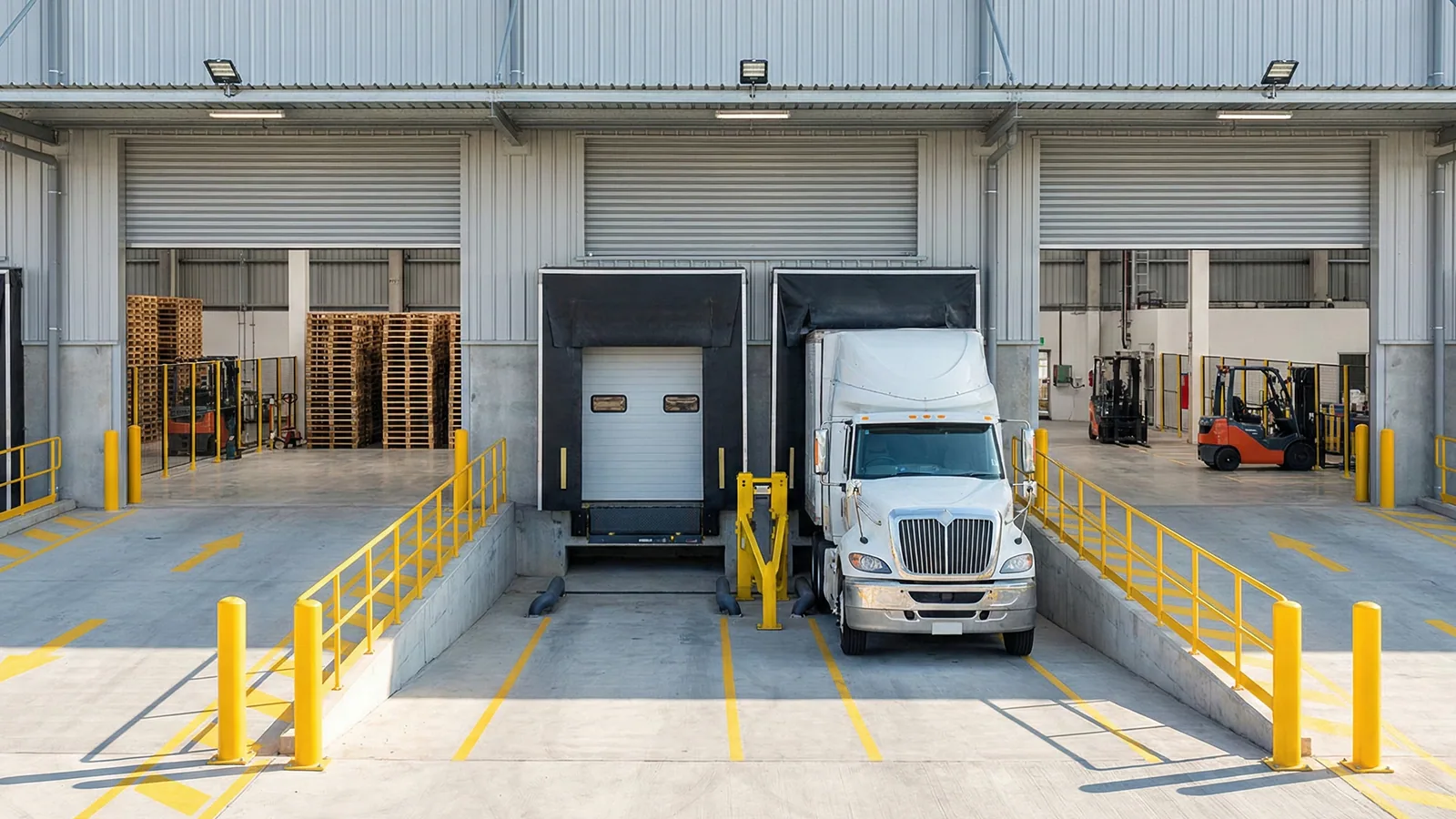
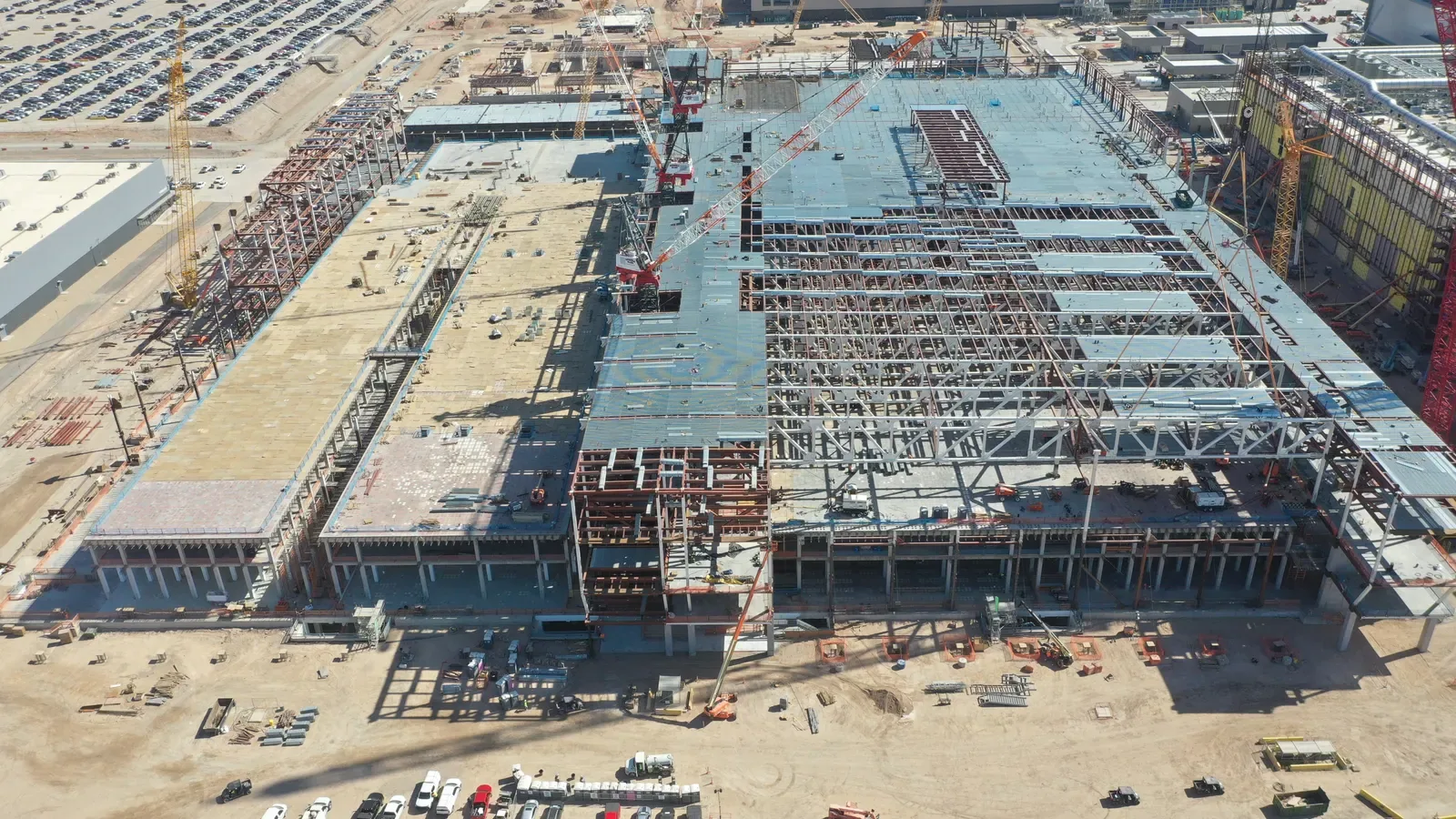
Goods leave a plant by truck, rail or ship, so the roof is part of a chain. A leak in a shipping bay delays the carrier too, which is why logistics and 3PL operators care about the same roofs. Where a plant is built or expanded, a general contractor sets the roof package date, and we meet it.
Overview
Roofing for Manufacturers
What the area builds and processes
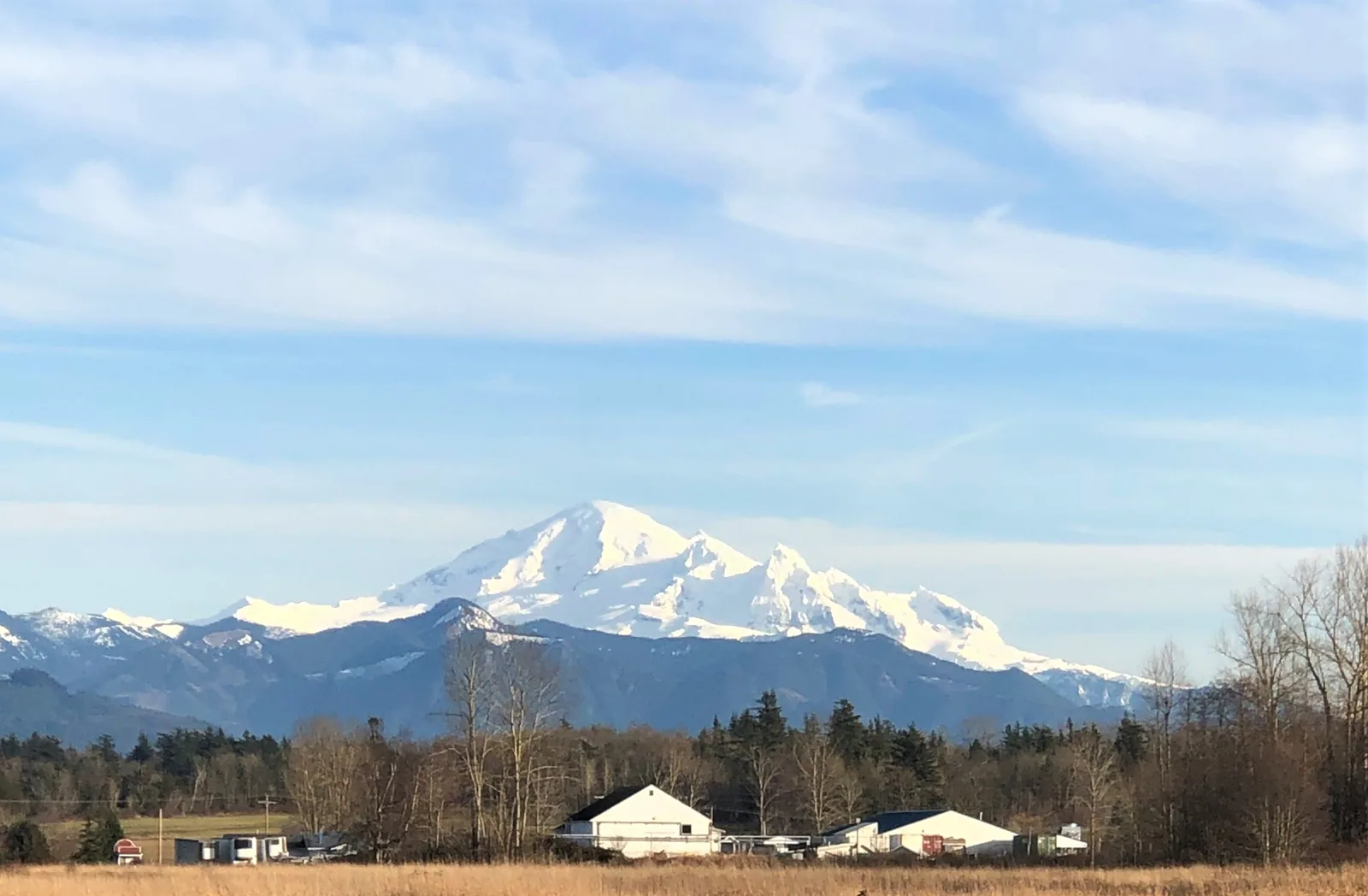
Whatcom County farms carry a large share of the local economy: raspberries alone run 60 to 80 million pounds a year, with dairy and eggs beside them, and trade across the border with British Columbia keeps goods moving. Processing and packing follow the crop. The BP Cherry Point Refinery employs about 975 people. The Port of Bellingham's marine industrial area holds shipbuilders, and its industrial parks hold manufacturing space. Craft brewing and distilling keep growing, with at least 15 breweries as of 2020, often in older light-industrial buildings.
These roofs have little in common. A shipbuilder's shop, a brewery, a packing floor and a refinery support building want different systems. The grade starts with what the building does.
Ferndale sits on I-5 and the BNSF rail line. Roofs at the Port's parks live in Bellingham's sun-poor, damp climate. Moss grows on a quiet roof in any of them. A roof that stays dry on an active line is the exception, and the register records which ones are.
What the process puts on the roof
Exhaust attacks membranes. Grease, oil and solvent vapor soften some single-ply sheets. We match the sheet to the exposure. A PVC roof resists oils and grease well, which is why it comes up around kitchens and food lines. A KEE membrane adds chemical resistance for harsher vapor. We ask for the process list before we recommend a system.
Corrosion shows at metal first. Mildly acidic or salty exhaust eats flashings and fasteners long before the sheet. We check metal near stacks, replace with stainless or coated parts and log the location. Process moisture can also condense under a membrane in winter. A moisture survey runs whenever a roof shows unexplained decay.
Heat from below matters too. Process heat pushes warm, moist air up through the deck. In cold months that air condenses against a cold membrane. A roof can look leaky when the water is coming from inside. We check for condensation before blaming the sheet, and we say so in the grade.
Working around production
Plants that run around the clock cannot give up a roof for a week. We work in sections. Quiet lines first. Loud work at planned shutdowns. For seasonal plants, the off-season is the window. A berry processor's slow months are when a large reroof fits.
Where production cannot stop, protection takes over. Overhead cover above sensitive equipment. Covered product zones. Weather-tight closure by the end of each shift. Dust, odor and noise follow the plant's own rules, including food-safety rules where they apply. A written plan goes to the plant manager and the safety lead before the first tool comes out. Dry-in day is fixed on the calendar. Rain does not move it, because we do not open more than we can close.
Cost is access and interruption. Roofing is the smaller part. A cleared line, a lift on a closed lane and a night shift add up. We show them as separate lines. Management can see what each constraint costs and choose which to buy.
Equipment, curbs and supports
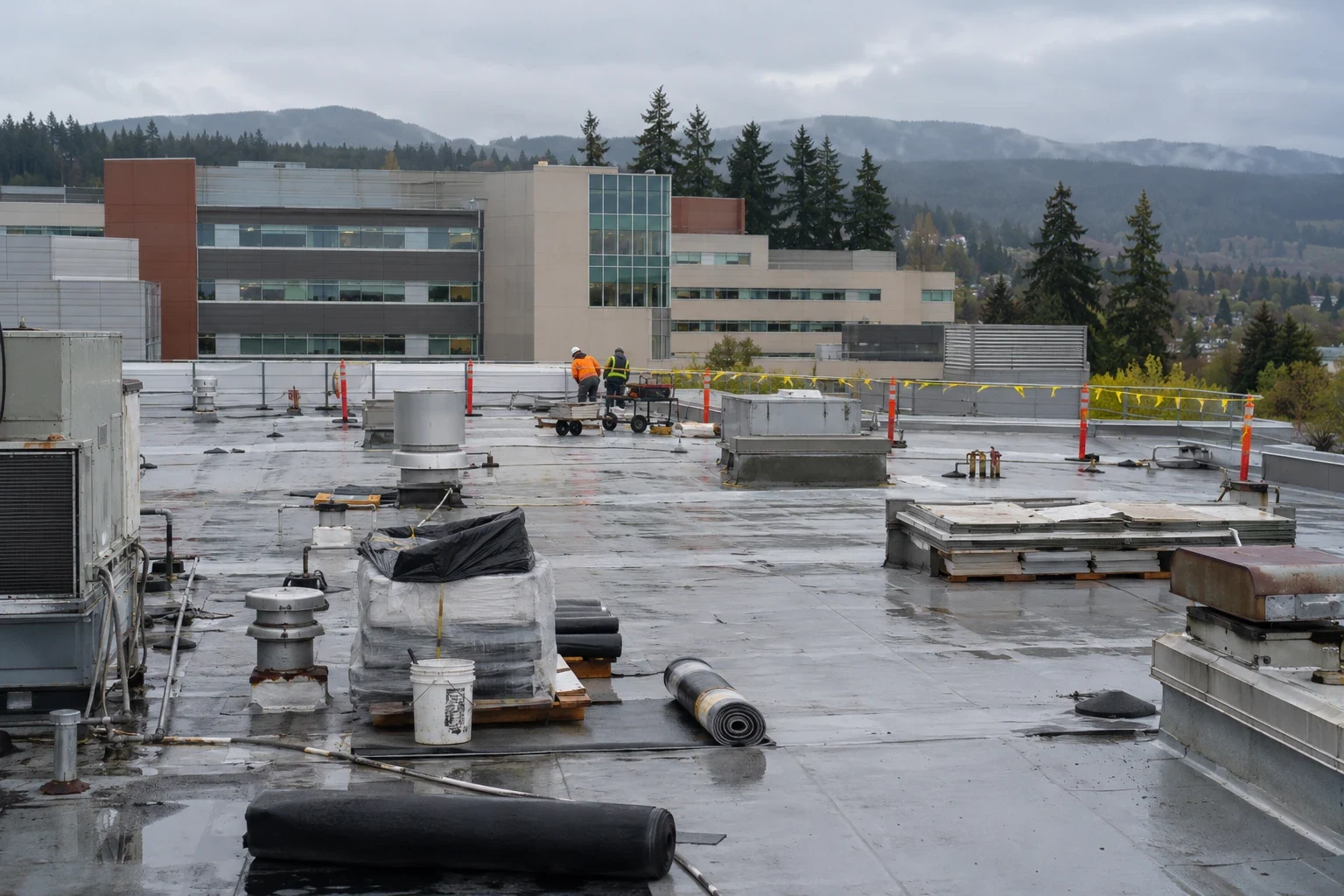
Plants carry heavy rooftop gear. Dust collectors. Fans. Ducts. Piping. The curbs and supports under them are where leaks start. We inspect each for rot, shifted frames and failed flashing, and we price repairs by unit. Our curb and support work follows the equipment list.
Moss and process residue collect at drains. A missed cleaning ponds a bay inside a season. Visits clear them on a schedule. Grease from a vent mixes with leaves and clogs a scupper at the same corner where the fan discharges. We log every grease-bearing vent so the next crew starts there.
Equipment changes during a roof job are common. A plant adds a fan or moves a duct. Each change is a new penetration. We log the change, flash it and update the roof plan. The plan stays true after the job.
Safety, permits and plant rules
Plants have their own safety rules, and our crews follow them. Gate orientation. Lockout. Hot-work permits. Controlled roof access. Hot work above flammable material needs a permit, a fire watch and often a pause below. Cold-applied or mechanically attached systems avoid some.
The system choice goes through the safety lead, not around them. Insurance and plant policy are satisfied before the first day on site. The 2021 International Fire Code has applied statewide since March 15, 2024, and its review can touch a roof near process hazards. We confirm the path with the plant's fire contact.
Waste and stormwater are rule items. Old roofing is hauled and documented. Roof runoff carries whatever has landed on it, so we ask about any permit that touches roof drainage, and we leave the plant's environmental contact with a record of the disposal.
Planning the roof as a plant asset
A plant roof belongs in the same capital conversation as the boiler. We provide a register: condition grade, expected service life and replacement forecast. Finance and operations see what is coming. For companies with more than one plant, the same grading scale applies at each address, as in multi-site roof programs. Industrial parks such as Cherry Point and Marine Drive waterfront hold buildings that suit the same record.
Costs follow access and interruption. A plant that gives an empty roof for a weekend pays less than one that needs protection over live lines. We separate roofing from protection on the bid so management sees what each constraint adds.
Commercial Roofing Questions
Which membrane holds up best against grease and exhaust?
PVC and KEE resist oils and many chemicals better than other single-ply options. We ask for the vent list before recommending one.
Can you replace a roof while the plant runs?
Yes, with sectioned work, overhead protection and a plan that follows the shifts. Some steps may need a short partial shutdown.
How do you protect product and equipment below?
With barriers, covers and daily dry-in, and with sensitive zones marked on the roof plan before work begins above them.
What if the production schedule changes mid-job?
Sections stay small so we can pause, close and resume. The weather-tight closure at the end of each day does not change.
Do seasonal plants need a different approach?
They benefit from timing. Packing and processing plants have quiet weeks, and we try to land major work there, not during harvest.
Send the plant list and the shutdown calendar
Send the buildings, what vents through the roof and when production slows. We will grade each roof and price every line around your schedule.