Commercial Roofing in Everson, WA
Commercial roofing in Everson, WA on the Nooksack River: ag supply and main street roofs, flood-aware equipment placement, claim photos and wet-season plans.
Commercial Roofing in Everson, WA
Commercial roofing in Everson, WA on the Nooksack River: ag supply and main street roofs, flood-aware equipment placement, claim photos and wet-season plans.
Service Areas
Everson in Bellingham
The river sets the risk on this ground. Everson, WA had 2,888 residents in 2020 on the banks of the Nooksack River, and the fertile valley is flood-prone, which affects building sites near the water. A roof in a flood-prone valley does two jobs. It sheds rain, and it stays on the building when the weather turns ugly. The bid has to price both, along with the equipment and records an owner needs after a bad week.
Everson's business district supports dairy, berry and logging economies, with agricultural supply businesses. Those businesses run on seasons. We write roofing scopes that fit the season and the budget, in lines an owner can approve one at a time.
Overview
Everson
Ag supply buildings
Supply businesses use big buildings. Warehouses for feed, seed and parts. Yards with canopies. Counters with offices. Roofs on those buildings are long metal runs, low-slope membranes or a mix of both. We do not assume which. A first visit lists each roof and tags it.
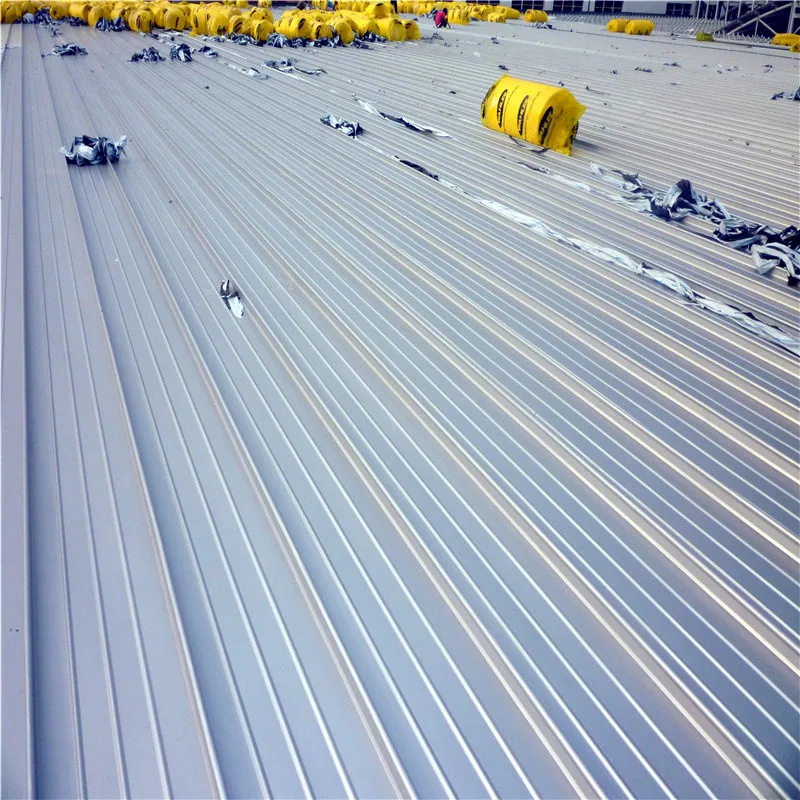
Metal roofs fail at fasteners and laps, and a standing seam replacement removes the exposed screws altogether. Low-slope sections fail at seams and drains. Canopies fail at edges. We probe a sample of screws in each metal section, check seams on each membrane and measure every canopy edge. A warehouse roof on a supply yard carries the same details as any other, with the added wear of forklifts and loading. The report ranks the defects and prices the fix for each.
Loading areas matter. Trucks back up to a dock and brush the canopy. A bent edge lets wind under the sheet. We repair the metal and reseal the joint, and the line goes on the bid with the footage.
Seasonal peaks matter. Feed and seed businesses are busiest at certain times of year, and a crane in the yard on a rush week costs sales. We ask for the calendar and put the roof work in the slow weeks.
Flood-prone ground changes the plan
Water in the valley can reach buildings. When it does, owners think about where equipment sits. A condenser or a control panel on the ground is at risk. A unit on the roof is not. An owner may move equipment up for that reason.
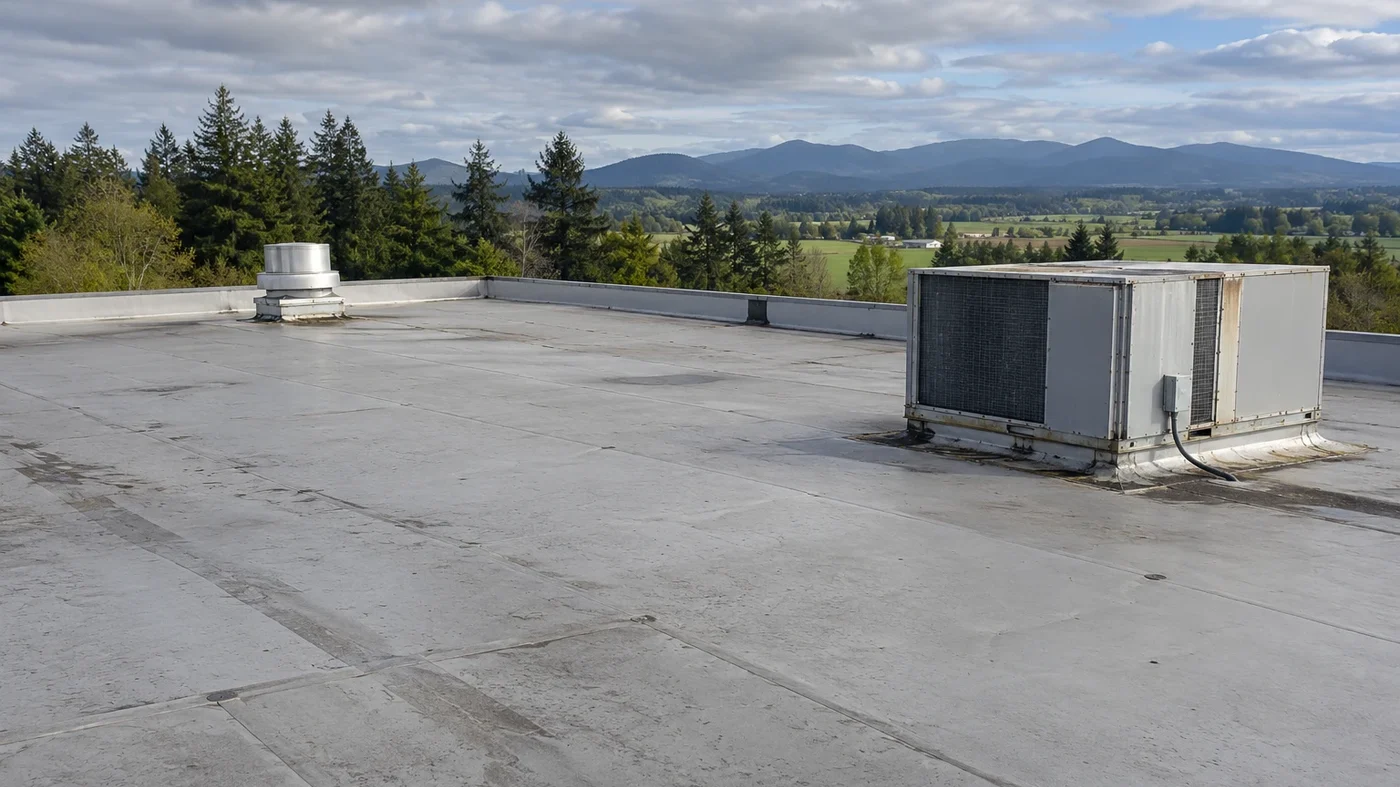
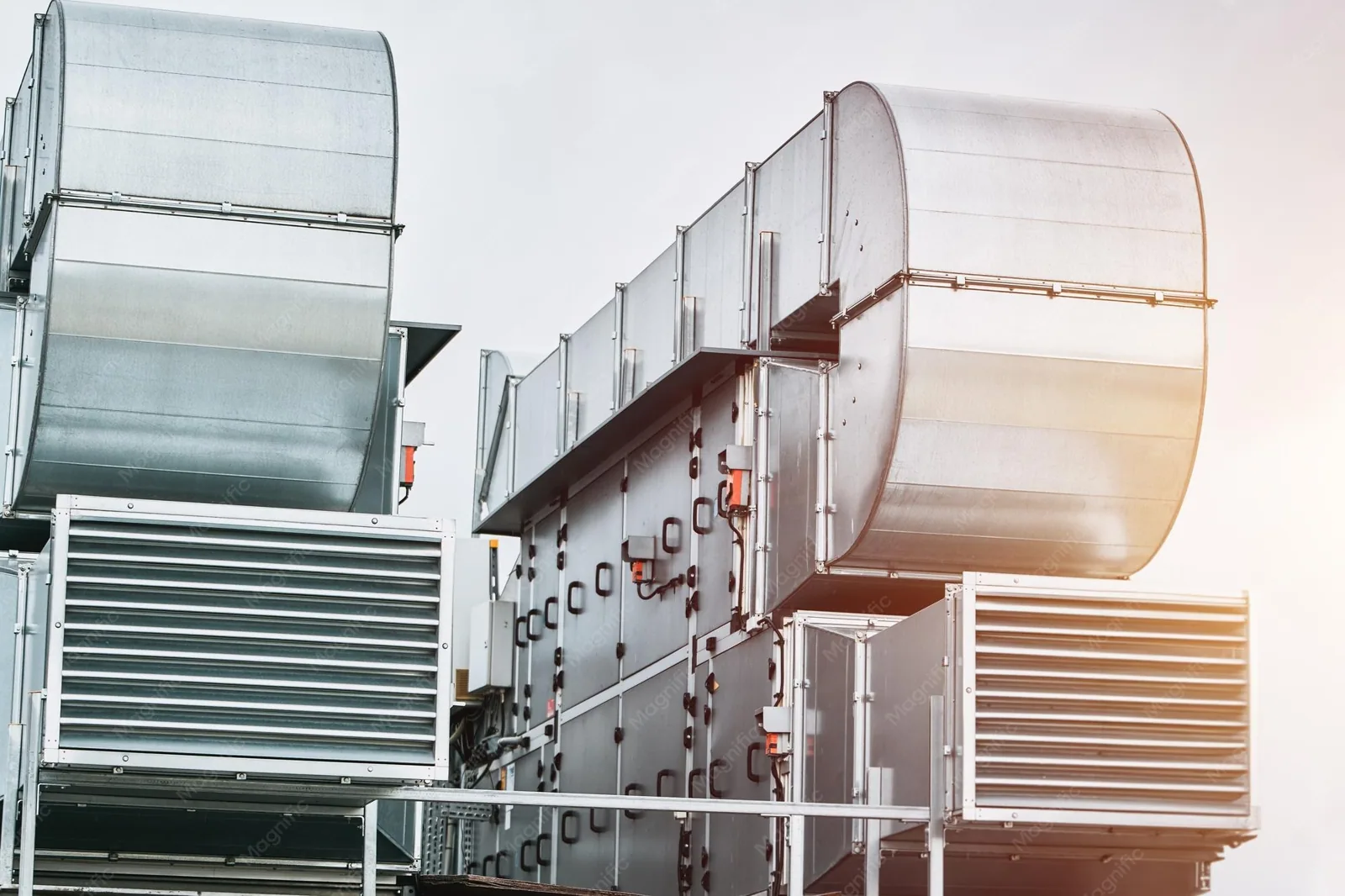
That changes the roof. Equipment adds weight and penetrations. The deck must carry the load, and each curb needs flashing. We check the structure, size the curbs and price the flashing in a line apart from the membrane. Curb and flashing details follow rooftop equipment curbs and supports practice. A structural question goes to an engineer, since a roofer can see the sag but not the load path.
Drains matter too. A flood does not raise the roof, but a storm that comes with it does load the drains. We clear them before the wet season and record the date.
Debris is the other flood effect on roofs. Storm winds and water bring branches, leaves and silt. A drain clogged with silt backs up on the next rain. We clear sumps and gutters after any event and photograph the result.
Main street roofs
A small business district holds older buildings with shared walls, parapets and flat roofs. Water enters at the parapet, the wall tie-in and the drain. Shared walls mean shared leaks. A drip in one shop may start on a roof two doors down.
We trace the source with a probe check and a scan. A roof plan with shop lines marks each defect. The owners get a map and a cause. Where a parapet is low or a counterflashing is missing, we say so and price the repair. A neighboring wall is never the roofer's to touch without an agreement, so the bid names who owns each joint.
Parapet caps and counterflashing get the first look. Brick or block walls absorb water and release it slowly, so a leak can show weeks after the rain. We check wall tops, mortar joints and cap laps. Where a cap is missing or cracked, replacing it costs far less than the interior damage it causes.
After a bad week: access and records
When a storm or a flood hits, owners need three things fast: a dry roof, a set of photos and a scope that matches the loss. Calls are answered at any hour, holidays included, and the first step is a dry-in. Tarps. Temporary seals. A crew that arrives with the right gear.
Records follow. Dated photos of every section, a note on the cause and a list of materials used. Those support the owner's claim, and a storm damage roof repair scope follows the same photo set. Our roof insurance claim assistance builds the package. A clean set from before the event makes the comparison easy. Owners who take baseline photos in fall have the best file when winter comes.
Temporary repairs get their own line. A tarp, a patch or a sealed seam is not the permanent fix, and the report says what the permanent fix will be and when it can happen. Owners then see the full cost, not only the first night's bill.
Wind and the long wet season
A bomb cyclone in November 2024 drew 22 storm incidents from the South Whatcom Fire Authority and damaged at least 16 Sudden Valley homes, after Bellingham's 67 mph gusts of March 2016. Open farm country gives wind a long run. Perimeter fastening goes on every bid.
Bellingham, the nearest reference, collects about 34.8 inches of rain under roughly 1,866 sunlit hours a year, and a valley roof can dry slowly too. Moss and algae grow on shaded slopes. We clean them and clear gutters at the yearly visit. Dry-in days are scarce, so terminations and metal go in summer, and a standby crew covers any open section.
What drives the number
Area, access and details set the base. Equipment moves add structure and flashing. Canopy repair adds edge footage. Phasing around a working business adds days. We show each on its own row. A recover over a dry, sound roof avoids tear-off cost. A replacement fixes the deck. A repair-first plan spreads cost across seasons. The owner picks, and the schedule follows. For work in the Nooksack valley, Nooksack, Sumas and Lynden can share a route plan.
Punch and records
At closeout the owner walks the roof with us and sees tight flashing, flowing gutters and tooled sealant. The binder holds photos, the equipment curb schedule and the warranty papers. Send the roof plan and the season calendar, and every termination and metal line gets a price before the bid closes.
A yearly visit keeps the file current. We clear drains and gutters, check each canopy edge and photograph the equipment curbs. After a named storm or a high-water event we return for a quick check of the edges, and the dated photos tell the owner what changed.
Commercial Roofing Questions
Why move equipment to the roof in a flood-prone valley?
It keeps condensers and panels above water. The roof then needs structure checks and new curb flashing.
How do you trace a leak between shared walls?
A probe check and a scan find the damp area, and a roof plan with shop lines marks the source.
What photos help a storm claim?
A dated set from before the event, plus a matching set after. The comparison does most of the work.
Do canopy edges need their own bid line?
Yes. Footage and repair type vary, so the owner sees the edge cost apart from the field.
Can emergency tarping happen at night?
Yes. Calls are answered at any hour, and the first step is stopping water.
Send the roof plan and the season calendar
Send the roof plan, the equipment schedule and your season calendar. We will price every termination, curb and metal line before the bid closes, so the owner decides what stays in.