Hotel Roofing in Bellingham, WA
Roof repair, recover and replacement for hotels and resorts in Bellingham, WA, scheduled around occupancy, salt air and the short dry season.
Hotel Roofing in Bellingham, WA
Roof repair, recover and replacement for hotels and resorts in Bellingham, WA, scheduled around occupancy, salt air and the short dry season.
Property Types We Roof
Hotel Roofing in Bellingham
A top-floor guest room is the most expensive square foot to dry out. The ceiling tile, the carpet, the bed and the night's revenue all go at once. On a hotel in Bellingham, WA, a roof leak is measured in rooms out of order, not in roofing dollars. We plan the work to keep that number at zero.
Hotels run on occupancy calendars. A roof window has to fit between events. Send us the drawings, the occupancy forecast and the target dry-in window. We will price each drain, curb and termination before the bid closes.
Overview
Hotel Roofing
Rooms under the roof
The roof plan sits on the floor plan. Rooms directly under the roof rank high. Corridors and mechanical rooms rank lower. Lobbies and ballrooms rank high for a different reason: events cannot move.
High-risk zones are opened in small areas, closed the same day and watched for leaks. Rooms under open sections come out of inventory for the day, or the bid includes a protected ceiling. The front desk gets a daily list of rooms affected. Housekeeping knows which hallways are off limits.
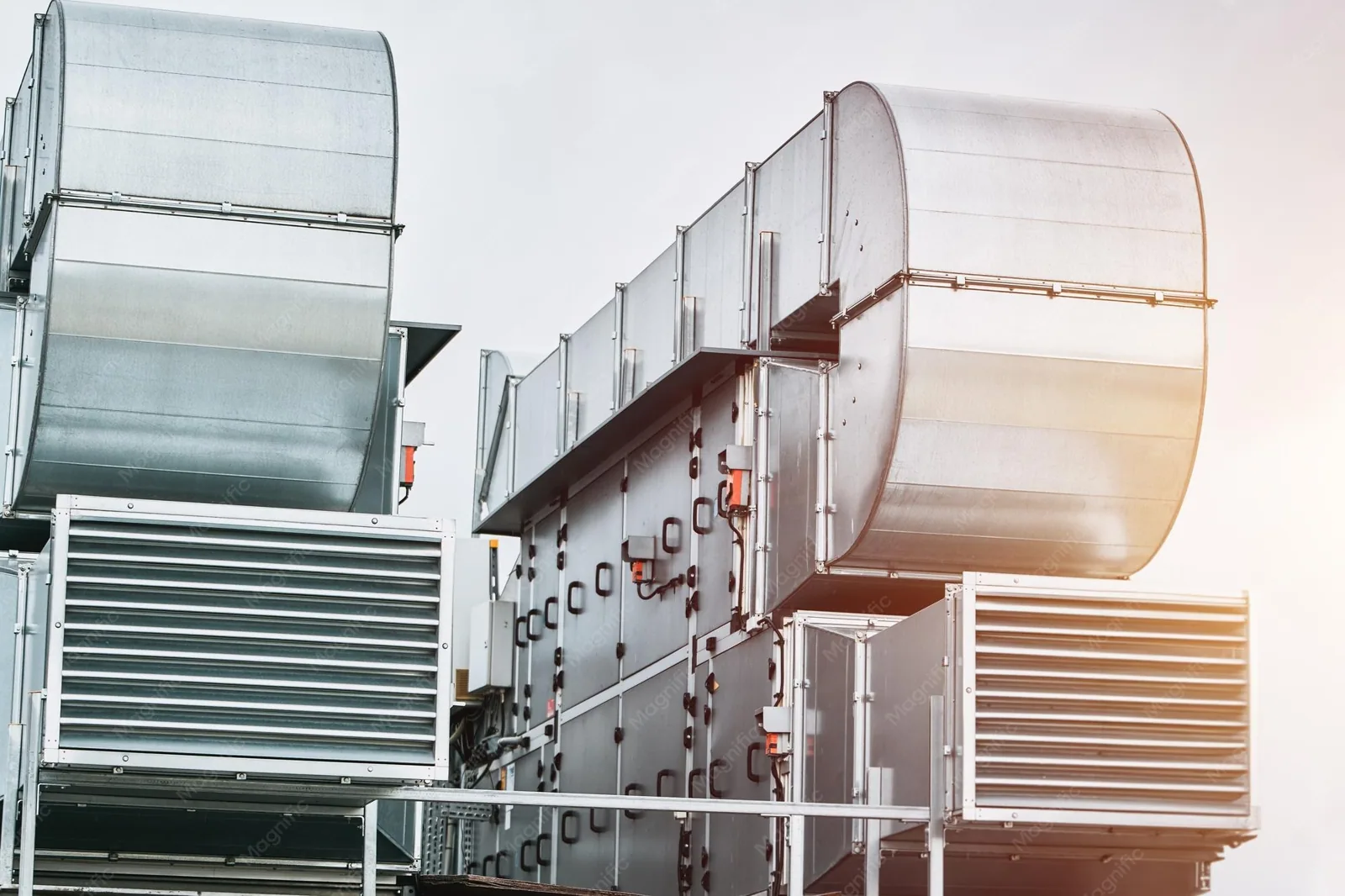
Hotels also have rooftop equipment: chillers, boilers, kitchen exhaust and lift machine rooms. Each is a curb or a penetration. The curb and support list is its own bid line.
Ballrooms and conference spaces are the other pinch point. A wedding on Saturday cannot move for a leak on Friday. We confirm the event calendar and treat those roofs as high risk even if the room below is empty on the day we start.
The hotel restaurant brings grease exhaust to the roof as well. A kitchen fan over a membrane needs a catch pan and a tougher sheet nearby, much like a stand-alone restaurant roof. We zone the sheet by exposure and price the kitchen area on its own line.
Waterfront and coastal exposure
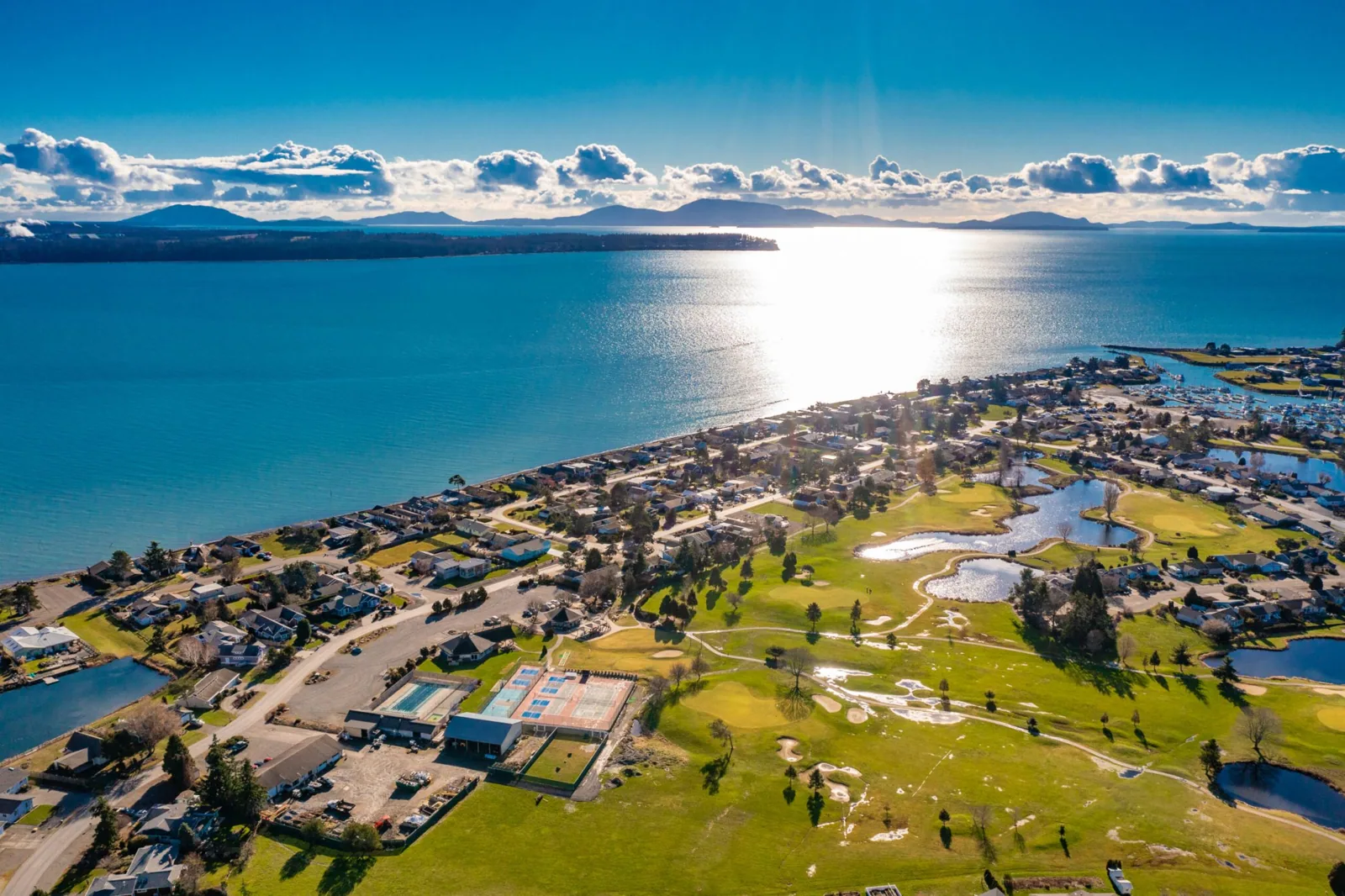
Fairhaven has been the southern terminus of the Alaska Marine Highway since 1989 and hosts the Bellingham Cruise Terminal. Hotels near the water see more wind and salt than those inland. Semiahmoo Spit is a former cannery site that now has a resort and marina. The spit is waterfront, exposed to salt air and wind.
Blaine gets about 42 inches of precipitation a year, wetter than Bellingham, with salt-air exposure on the waterfront. Fasteners, edge metal and sealants take more wear in that air. We specify corrosion-resistant fasteners and check them more often.
Work around Fairhaven and Semiahmoo follows the same planning. Historic style rules in Fairhaven can add design review. We flag it at the first walk.
Corrosion shows up first at fasteners, cap seams and metal laps. We probe and photograph them each spring. A rust streak on a cap is cheap to fix in April and expensive after a January gale.
Low sunshine keeps surfaces damp longer. Moss and algae grow on shaded membranes, and a cleaning visit each spring keeps drains open.
Visitors and the calendar
About 65 percent of Bellingham International Airport customers come from Canada. That cross-border pull, plus cruise and ferry traffic in Fairhaven, shapes when rooms fill. Summer is both the dry season and the high season. A hotel that needs a reroof may have to pick between the cheap window and a full house. We map the occupancy forecast against the dry weeks and show the tradeoff. A phased scope, one wing at a time, often fits.
Work near Birch Bay follows the same logic with a coastal edge.
Guest comfort sets the noise rule. A tear-off above sleeping rooms is a bad idea. We schedule it on the side of the building that is empty, or in a gap between stays, and we use quieter methods near occupied wings.
What moves the price
Six items move a hotel roof price. They are room impact, phasing, penetrations, insulation, coastal fasteners and access. Under the energy code adopted statewide on March 15, 2024, a guest wing reroof carries deeper insulation and taller flashings. Thicker board lifts every flashing. Phasing follows occupancy. Penetrations are many: bath exhaust, kitchen exhaust, plumbing vents and mechanical curbs. Access depends on the site. A recover over a dry roof keeps the guest wings quieter and cuts days. Readings decide. The guest-facing rules follow the occupied building reroofing method.
Brand standards add review time. A flagged hotel may require approval of the roof color, the warranty form or the contractor list. We ask for those rules at the pre-bid meeting, and we carry the review days on the schedule. A late approval pushes the start, so the days are tracked.
Wet season and quiet season
Rain totals about 34.8 inches a year in Bellingham, and a guest room below cannot absorb any of it. November is the wettest month. July is the driest. With roughly 1,866 hours of sun a year, a deck stays damp and slow to close. That is the tension. We can work in November with small areas, same-day close and covered material, or wait for dry weather and a busier house. The bid shows both costs. The owner chooses.
Noise matters in either case. Early hours are risky when guests sleep. Late hours are risky when they return. We set noisy tasks for mid-morning and keep stair routes away from guest corridors.
Housekeeping has the best view of leaks. A stain on a ceiling tile after a storm tells us where to look. We ask the engineering lead to share those reports, and we log each one against the roof map.
Wind, signs and flat decks
A 67 mph gust in March 2016 tore stucco from a Bellingham storefront, and hotel signs and parapets face the same wind. In November 2024 a bomb cyclone sent easterly wind through Sudden Valley and tested loose caps. Signs, parapets and equipment screens on a hotel all take wind, so edge fastening is priced as its own line, with gauge and spacing written into the scope. We probe seams and pull-test caps. Sign bases get a fastener check. The punch walk ends with the general manager or the property team, and the hospitality group that owns several sites can use the same format. The general manager keeps the roof map, photos and penetration log. An apartment building or a resort condo uses the same file.
Pool decks and rooftop terraces, where a hotel has them, add waterproofing to the scope. They sit over occupied rooms, so the membrane under the pavers is the real roof. We lift a test section before pricing, because pavers hide moisture and failed seams.
Commercial Roofing Questions
How do you protect rooms during a reroof?
We rank rooms by exposure, pull the highest-risk rooms from inventory for the day and keep a leak watch on every open section.
Can a hotel reroof happen in high season?
Yes, with phasing. One wing at a time, same-day close and noisy tasks at agreed hours. The bid shows the premium.
Does coastal air change the fastener choice?
Yes. Salt air corrodes standard fasteners and edge metal. Near the water we call for corrosion-resistant hardware and look at it more often.
What about rooftop kitchens and pools?
They add exhaust, drains and waterproofing. Each gets its own detail and its own bid line.
What does the general manager receive at closeout?
The roof map, the photo set, the penetration log and the signed punch list, with the warranty packet to follow.
Send the drawings and the occupancy forecast
Send the roof plan, the occupancy forecast and your target dry-in window. We will price every drain, curb and termination before the bid closes.