Roofing for Hotel Owners and Hospitality Groups in Bellingham, WA
Roof planning for hotels, resorts and hospitality groups in Bellingham, WA: salt air, historic review, quiet-hour work and off-season dry-in windows.
Roofing for Hotel Owners and Hospitality Groups in Bellingham, WA
Roof planning for hotels, resorts and hospitality groups in Bellingham, WA: salt air, historic review, quiet-hour work and off-season dry-in windows.
Industries We Serve
Roofing for Hotel Owners and Hospitality Groups in Bellingham
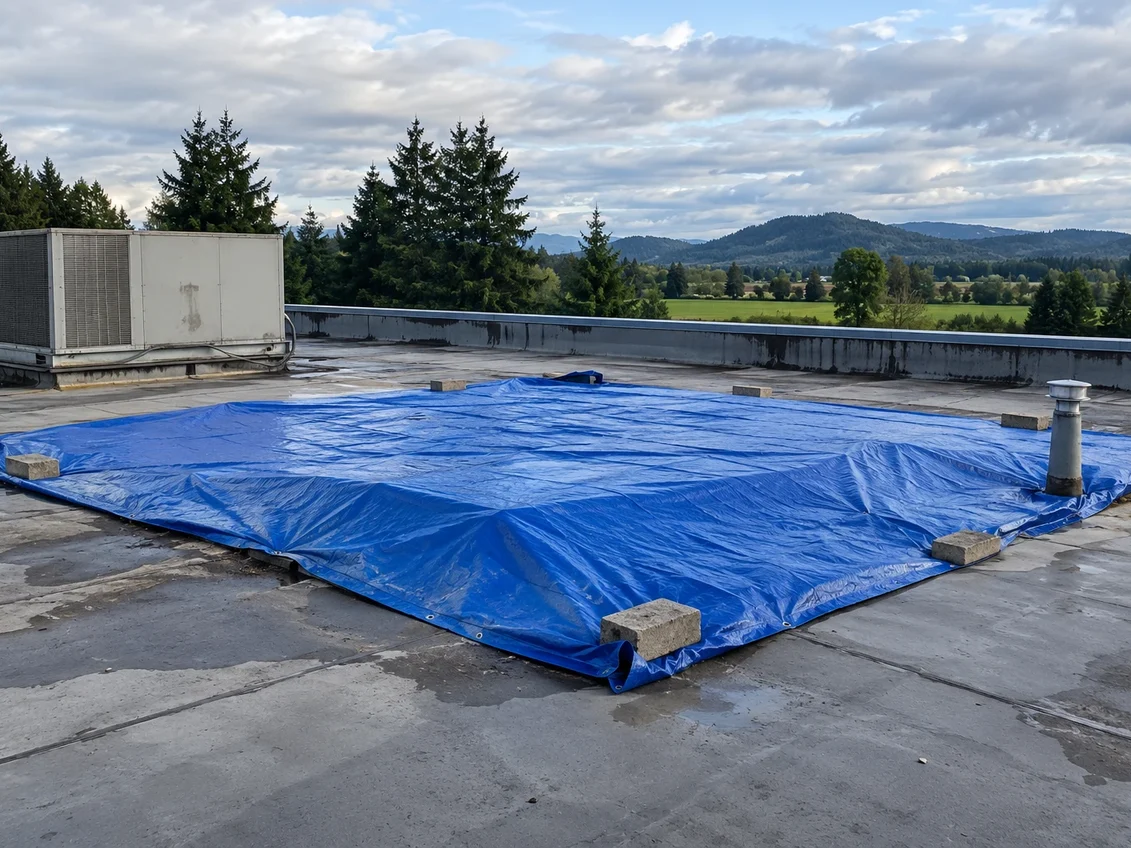
A guest room under a bad roof sells for nothing. In Bellingham, WA the room that loses a night to a ceiling leak loses it in the wet season, when the rain has been falling for weeks and the roof has not had a dry day to recover. The city gets about 34.8 inches a year, with November the wettest month. A hotel owner gets a few good months to do roof work. After that, every repair is a tarp and a forecast.
So the work gets built into the calendar. We find the slow weeks, pick the dry ones and close the roof before the rain settles. Detail by detail. Line by line. Nothing in the bid is a surprise to the general manager.
Management companies run many hotels for separate owners. The property management company and the owner both need the same roof record, and we send each a copy. Insurance renewals bring roof questions, and a hotel with a dated report answers them in a day.
Overview
Roofing for Hotel Owners and Hospitality Groups
Where the dry weeks and the slow weeks meet
July is the driest month. Summer is also when many owners least want rooms offline. That is the squeeze. They cannot give up rooms in July, and they cannot do tear-off in November. The workable window is late spring and early fall, and the plan sits inside it.
We order material in winter, mobilize in the first dry stretch and work wing by wing. Floors below active work stay in service when the property can manage it. Quiet hours are respected. Noisy steps start late in the morning. Dry-in happens every evening. The calendar is written with the general manager before the contract is signed.
Event spaces add pressure. Ballrooms and terraces carry rooftop equipment and wide flat spans that must stay tight on the busiest nights. We inspect them ahead of peak weeks and leave a pass or a punch list for each.
Weather days are real. A damp deck after a wet week loses a morning, then a day. We carry float in the schedule and say so on the bid. The owner knows the finish date has a range, and the range follows the forecast.
Rooms, pools and common areas
Guests notice noise and odor in minutes. One bad review lasts longer than a repair. We keep adhesives and primers away from fresh-air intakes and balconies. We protect pool decks, patios and parking from debris. We check fixtures and fire-safety devices below the work area.
Penetrations over rooms are the usual leaks. Bath fans. Plumbing vents. Kitchen exhaust. We count them, inspect them and reseal them on each maintenance visit. A boot that costs a few dollars protects a ceiling that costs thousands. Fire watch and rated assemblies apply in buildings with sleeping guests. Torch work is avoided where cold-applied or mechanically attached systems will do.
Leaks in rooms bring mold. Mold brings room closures and remediation. We tell the manager at once when water reaches a ceiling and write down which rooms sat under which roof section. The note supports a loss claim as well as the roof repair.
Fairhaven and the review rules
Fairhaven, a National Register historic district on Bellingham Bay, applies 19th-century style rules to new buildings. A hotel roof there is a public face. Visible profiles, colors and materials may need review. We check the rules early and match edge metal and coping where the street can see them. A hotel roof in a district like that may call for a different cap profile than a highway property.
Since 1989 Fairhaven has been the southern terminus of the Alaska Marine Highway, and it hosts the Bellingham Cruise Terminal. Fairhaven Station is Bellingham's Amtrak Cascades stop and Greyhound depot. Guests arrive by boat, train and bus, and a lodging roof in Fairhaven sits in full public view.
Material choices follow the review. Standing seam or a membrane with a visible profile may suit the district better than a bare flat roof. We lay out cost, life and look side by side, with samples for the review board to hold.
Salt air, wind and the resort edge
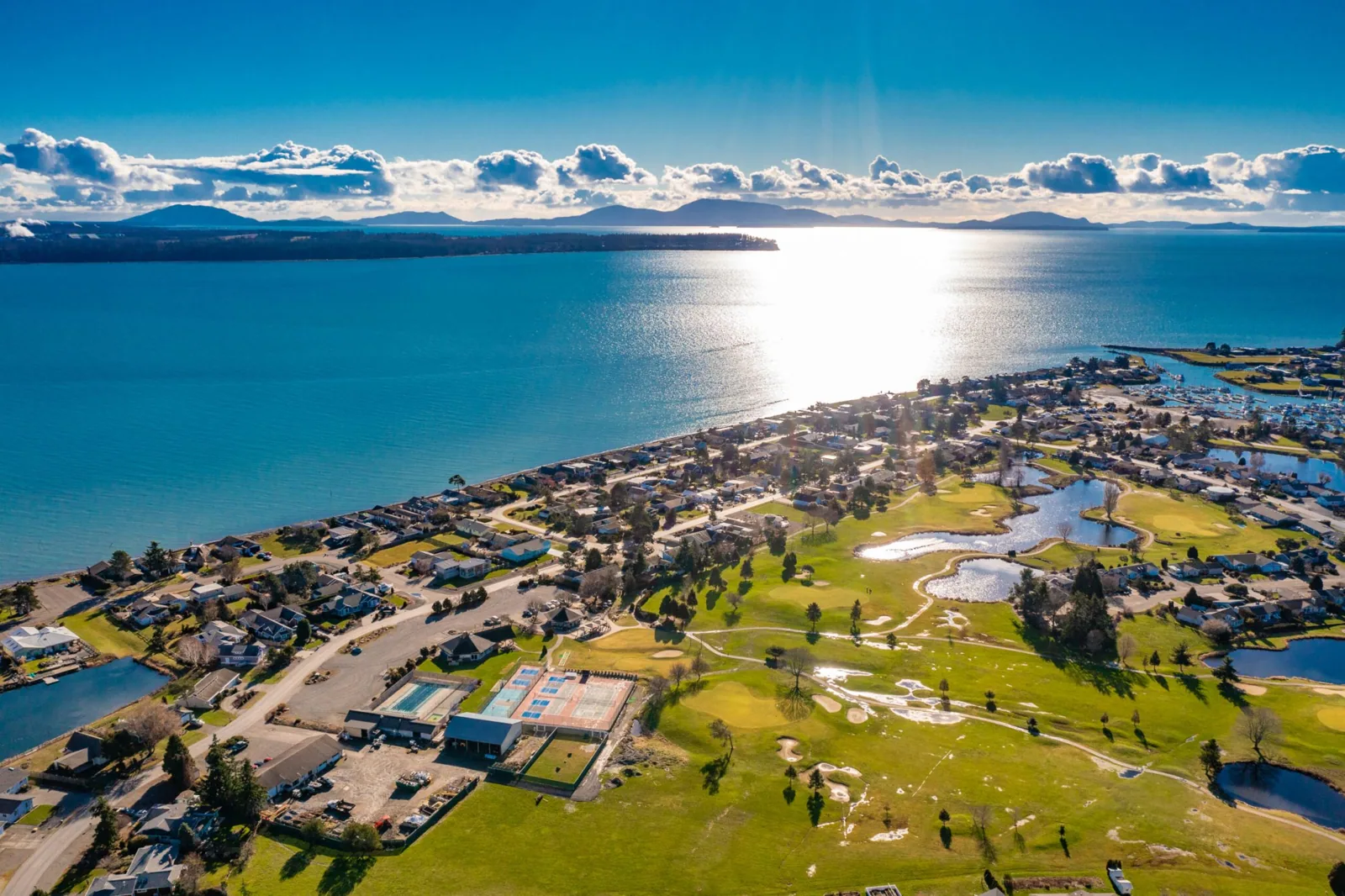
A resort and marina now occupy Semiahmoo Spit, a former cannery site, and the waterfront there takes salt air and wind. Birch Bay, about 6 miles south of the Canadian border, grew condominium and vacation-home development in the 2000s, producing multi-family roofs on a coastal exposure. Blaine operates two large marinas and gets about 42 inches of precipitation a year.
Coastal lodging needs coated or stainless metal, isolated unlike metals and tight edge fastening. Wind takes the perimeter first. The November 2024 bomb cyclone brought damaging easterly winds to Sudden Valley, and the coast takes wind of its own. We tighten visit intervals at Semiahmoo and Birch Bay sites and price corrosion work as its own line.
Marinas and waterfront restaurants tie into lodging. Their roofs see the same corrosion. Fasteners rust. Sealant fails at the edge. Metal at the water costs more to maintain, and the register shows how much.
Birch Bay and Semiahmoo roofs deal with wind that arrives off open water. Attachment gets a second look at corners and edges, and sealant gets a shorter replacement interval than it would inland. We note the exposure on the grade, so the visit schedule matches it.
Capital plans for owners with several properties
Hospitality groups hold roofs of different ages and uses. A downtown hotel. A roadside inn. A restaurant. An event space. A multi-site roof program grades each, forecasts replacement years and staggers spending so two roofs do not need replacing in the same winter. Brand renovation cycles matter. A new membrane goes in just before a planned renovation, not after.
Restaurants and bars inside lodging carry grease and exhaust issues, the same ones restaurant chains face. The program logs them in one register. A replacement can bring added insulation under the 2021 energy code, which became enforceable in March 2024. We put that in the range.
Records matter at sale. A hotel with five years of dated roof visits sells with fewer questions. Lenders ask for them. So do franchisors during brand inspections.
Reserve schedules love round numbers and roofs do not cooperate. We give each property a year and a range, with the assumptions written out. If a wet winter pulls a date forward, the register shows it before the budget does.
Commercial Roofing Questions
When is the best time of year to reroof a hotel here?
Late spring or early fall, in the dry stretches. July is the driest month and the busiest, so many owners split a project over two shoulder seasons.
Can a hotel stay open during a reroof?
Often. Sectioned work, quiet-hour rules and protection over entries let most properties keep rooms in service. Rooms directly under tear-off may go offline.
How do you handle historic review in a district like Fairhaven?
We identify the rules during the survey, prepare drawings and samples and schedule work after approval. Review time is built into the calendar.
Where do hotel roofs tend to leak?
Penetrations for vents and plumbing, then junctions at parapets and equipment curbs. A maintenance visit that reseals them costs far less than a ruined room.
Does a reflective roof help a hotel here?
In a low-sun city the energy gain is likely small. The choice rests on membrane life and code. We check the energy code path before recommending it.
Send the property list and your slowest weeks
Send the buildings, roof ages and the weeks when occupancy dips. We will grade each roof and fit priced lines into those windows.