Commercial Roofing in Birch Bay, WA
Commercial and multi-family roofing in Birch Bay, WA: board approvals, reserve planning, phased building schedules, coastal wind edges and moss control.
Commercial Roofing in Birch Bay, WA
Commercial and multi-family roofing in Birch Bay, WA: board approvals, reserve planning, phased building schedules, coastal wind edges and moss control.
Service Areas
Birch Bay in Bellingham
A board vote sets the start date. Birch Bay, WA had 10,115 residents in 2020 and sits about 6 miles south of the Canadian border, and condominium and vacation-home development grew there in the 2000s, producing multi-family roofs on a coastal exposure. Those roofs belong to associations. Associations meet monthly, hold reserve studies and vote on large spending. A roofing bid for them is a document that has to survive a board packet.
SR 548 connects Birch Bay to I-5 interchanges near Ferndale and Blaine. The bay brings wind and a long wet season to every building along it. We write the scope so a board member can read it and a manager can act on it.
Overview
Birch Bay
The board packet is the bid
A board reads a one-page summary. It wants the cost, the schedule, the alternates and the risk. It does not want a stack of unit prices.
So we lead with a summary sheet. Base scope. Each alternate with its price. A schedule with the dry-in windows marked. A list of what triggers a change order. Behind it sit the detail pages for the manager and the engineer. The board can then vote on the base scope and pick the alternates in the same meeting.
Bids expire. A packet that waits two months for a vote may need a refresh when metal prices move. We state the validity window on the first page and tell the board what a delay costs.
Questions at the meeting are predictable. Why this system? What if it leaks? Who pays for deck repair? We answer them on the summary page in plain lines. The system is chosen for the wind and the wet season. A leak call gets a dry-in the same day, at any hour. Deck repair is priced per flute in the contract.
Reserve studies and roof age
Most associations hold a reserve study. It lists each roof, a life estimate and a replacement cost. The estimate comes from age. The roof tells a different story.
We check the roof against the study. A core cut shows layers. A moisture scan shows damp board. A seam probe shows how tight the laps are. The finding either supports the study's date or moves it. If a roof in the study is due in five years but shows saturated board now, the board needs to know before the next assessment. A capital plan turns those findings into a year-by-year schedule the reserve can absorb.
The special assessment is the board's worst day. A plan that spreads roofs across years avoids three replacements landing together.
The study also needs updating after storms. The November 2024 bomb cyclone's easterly winds damaged at least 16 homes in Sudden Valley, and a coastal association that ran through that week should photograph its edges and ridge caps now. A dated set is the baseline for any later claim.
Many buildings, one spec
A development has repeating buildings. One flashing detail repeats across a dozen roofs. A fix that works on one works on the rest. That helps the price.
We price a pilot building first. We measure the real cost: crew days, material waste, deck repair. Then we apply the unit rate across the remaining buildings. The board sees a number it can multiply. A multi-family roof schedule runs building by building, with each one dried in before the next opens. Residents stay in their homes. A tarp over one roof is manageable. Tarps over six are not.
Deck repair gets a unit price. A rotted flute under a valley or a chimney shows up once the old layer is off. The contract carries the price, so the finding does not stall the job.
Wind off the bay
Bellingham took 67 mph gusts in March 2016. A bomb cyclone in November 2024 swept easterly winds across the region, damaged at least 16 Sudden Valley homes and sent 22 storm incidents to the South Whatcom Fire Authority. A coastal building has little to break the wind.
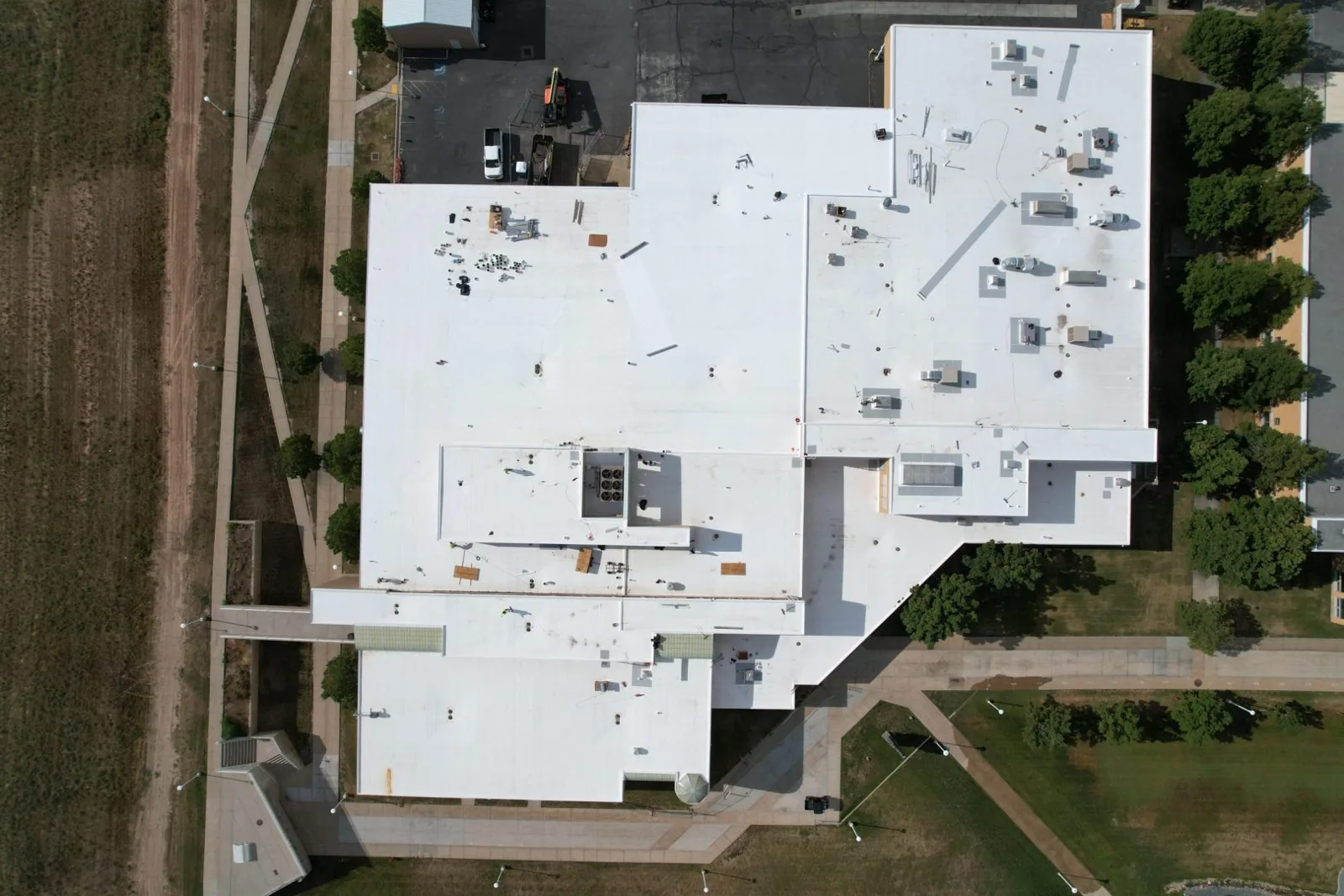
Ridge caps, rake trim and eave metal take the first hit. Perimeter fastening goes on every bid. We check the ridge cap, count the fasteners and note any lift. The edge line shows what protection costs. For flat roofs on commercial pads, coping and edge metal work follows the same logic.
Moss, shade and the wet season
Bellingham averages about 34.8 inches of rain a year, and sunshine totals only about 1,866 hours. Blaine, on the border, gets about 42 inches. A roof in Birch Bay stays damp. Moss and algae grow on north slopes and under trees. They hold water against the surface and lift edges.
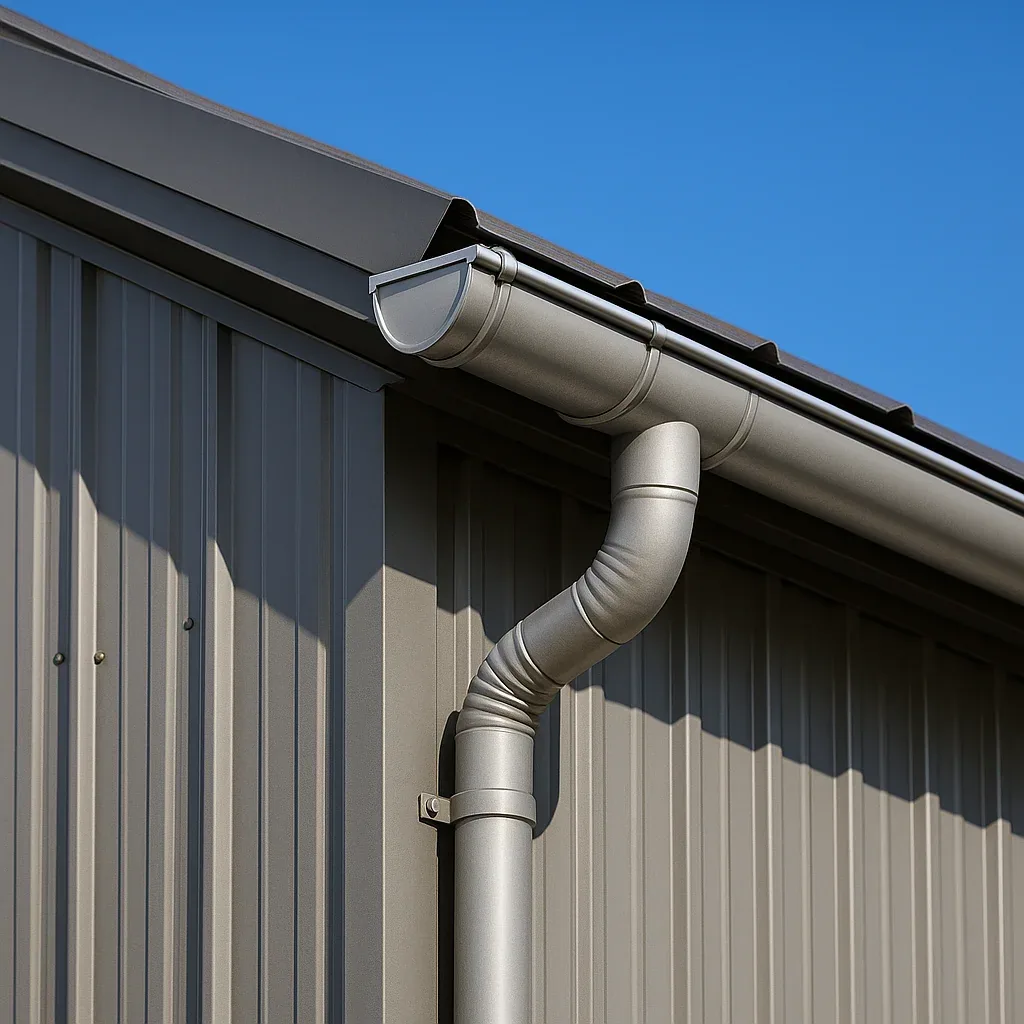
Moss comes off with a gentle wash and an approved treatment, and we recheck the laps afterward. A yearly visit keeps it small. Gutters fill with needles and moss. Clogged gutters overflow at the eave and soak the fascia. The visit clears them and flags any rot.
Treatment timing matters. Applying it in wet weather wastes product, and a dry spell in late spring or summer gives the cleanest result. We schedule it with the annual visit so the board sees one line per year, not a series of surprises.
What drives the number
On a multi-family roof the drivers are slope, access, layers to remove and the count of penetrations. Valleys, chimneys, skylights and vent stacks multiply detail work. Steep pitches slow the crew and call for fall protection. A tear-off through two layers costs more than a tear-off through one.
Coastal exposure adds to the hardware. Fasteners and trim near the water carry coatings that resist salt. Wind adds fasteners at ridges and edges. Moss control adds a yearly line. Each of those goes on the bid beside the base roof, so the board sees what coastal conditions add and can weigh it against a plain inland roof.
Timing drives the rest. Summer work costs less in standby than a November tear-off. We tell the board which months leave room for weather and which do not, and the schedule follows.
Phase, punch and hand over
At the end of each building, we walk the roof with the manager. Flashing is tight. Gutters flow. Sealant is tooled. We photograph the work. The association gets one binder with a roof map, photos by building and the warranty papers.
Associations change boards every year or two. The binder is how the next board learns what was done. Send the roof plan, the reserve study and the board calendar. We will price the pilot building and every alternate before the bid closes. Up the road, Blaine has marina and freight roofs of its own, and the coastal resort roofs at Semiahmoo share the bay's exposure. Managers who handle several associations may also use property management company programs.
Commercial Roofing Questions
How does a board compare alternates?
A one-page summary lists the base scope and each alternate with its price, so the vote can happen in one meeting.
Can residents stay home during a reroof?
Yes. Buildings are done one at a time, and each is dried in before the next opens.
What if the reserve study date is wrong?
A core cut and moisture scan test it. If the roof is worse than the date, the board hears it before the assessment.
Why price a pilot building?
It sets a real unit rate for crew days and deck repair. The rest of the buildings follow that rate.
When do bids expire?
The validity window is on the first page. Metal prices move, so a long wait may need a refresh.
Send the roof plan, reserve study and board calendar
Send the roof plan, the reserve study and the board calendar. We will price the pilot building and every alternate before the bid closes, so the board decides what stays in.