Restaurant Roofing in Bellingham, WA
Roof repair and replacement for restaurants and taprooms in Bellingham, WA, with grease-resistant membranes, exhaust curbs and service-hour scheduling.
Restaurant Roofing in Bellingham, WA
Roof repair and replacement for restaurants and taprooms in Bellingham, WA, with grease-resistant membranes, exhaust curbs and service-hour scheduling.
Property Types We Roof
Restaurant Roofing in Bellingham
A grease fan with no catch pan will stain and soften a membrane in a single season. The fat settles, the sheet swells and the seam beside it opens. On a restaurant in Bellingham, WA, the exhaust fan is the first thing we look at and the last thing we leave. Everything else on the roof is secondary.
Restaurants run on service hours and health inspections. A closed kitchen loses a night of revenue. Send the drawings, the exhaust schedule and your dry-in date, and each fan, curb and termination gets a price before the bid closes.
Overview
Restaurant Roofing
Grease, heat and the membrane
Kitchen exhaust throws fat, steam and heat onto the roof. Some membranes tolerate that. Others swell, soften or stain. The choice of sheet is a bid decision, not a default.
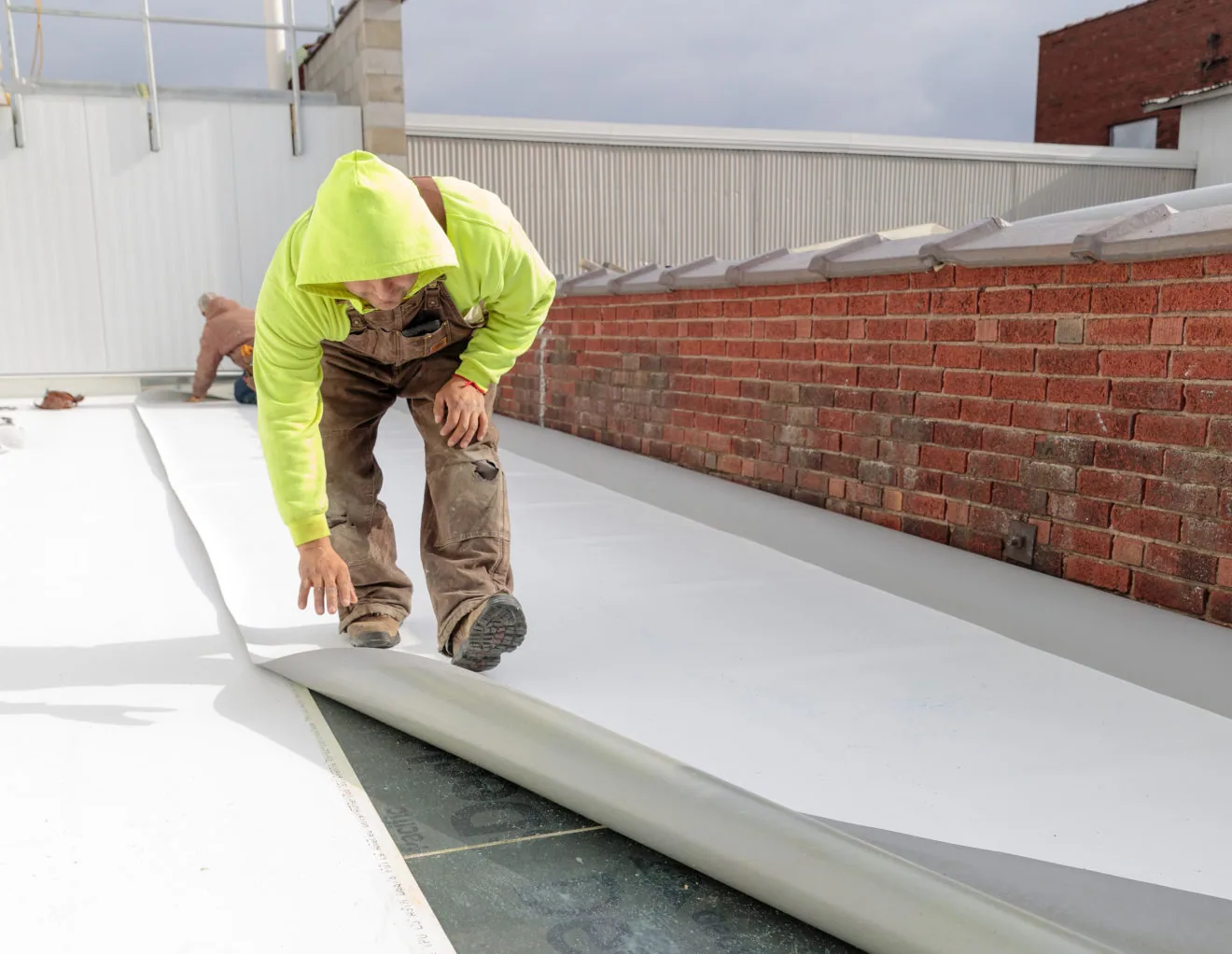
A PVC sheet is a common answer near fat and oil. Plain TPO can work elsewhere on the same roof. We zone the roof by exposure. The fan area gets the tougher sheet and a protective layer. The rest of the field uses the standard system. That is cheaper than using the toughest sheet everywhere.
Grease containment matters as much as the sheet. A catch pan, a grease absorber and a regular cleaning schedule cut the load. If the fan has no containment, we say so and price the fix. A membrane that survives a bad fan is rare.
Testing helps. A scrape of the stained area, a press test for softness and a photo set give the owner evidence. Some sheets recover after a cleaning. Others do not. If the manufacturer's data lists a grease limit, we compare it to the exposure and write the result into the scope.
Fans, curbs and hood work
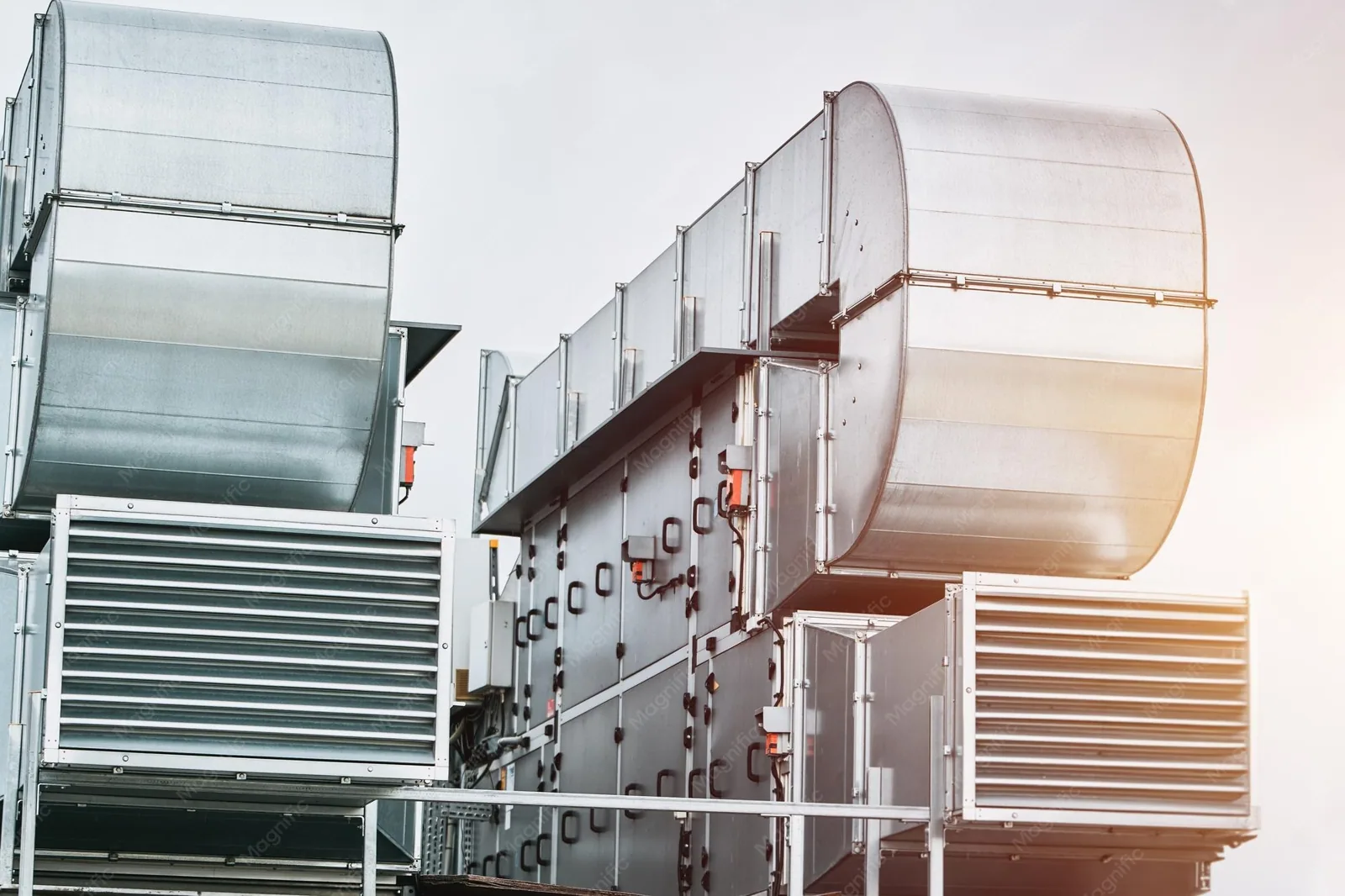
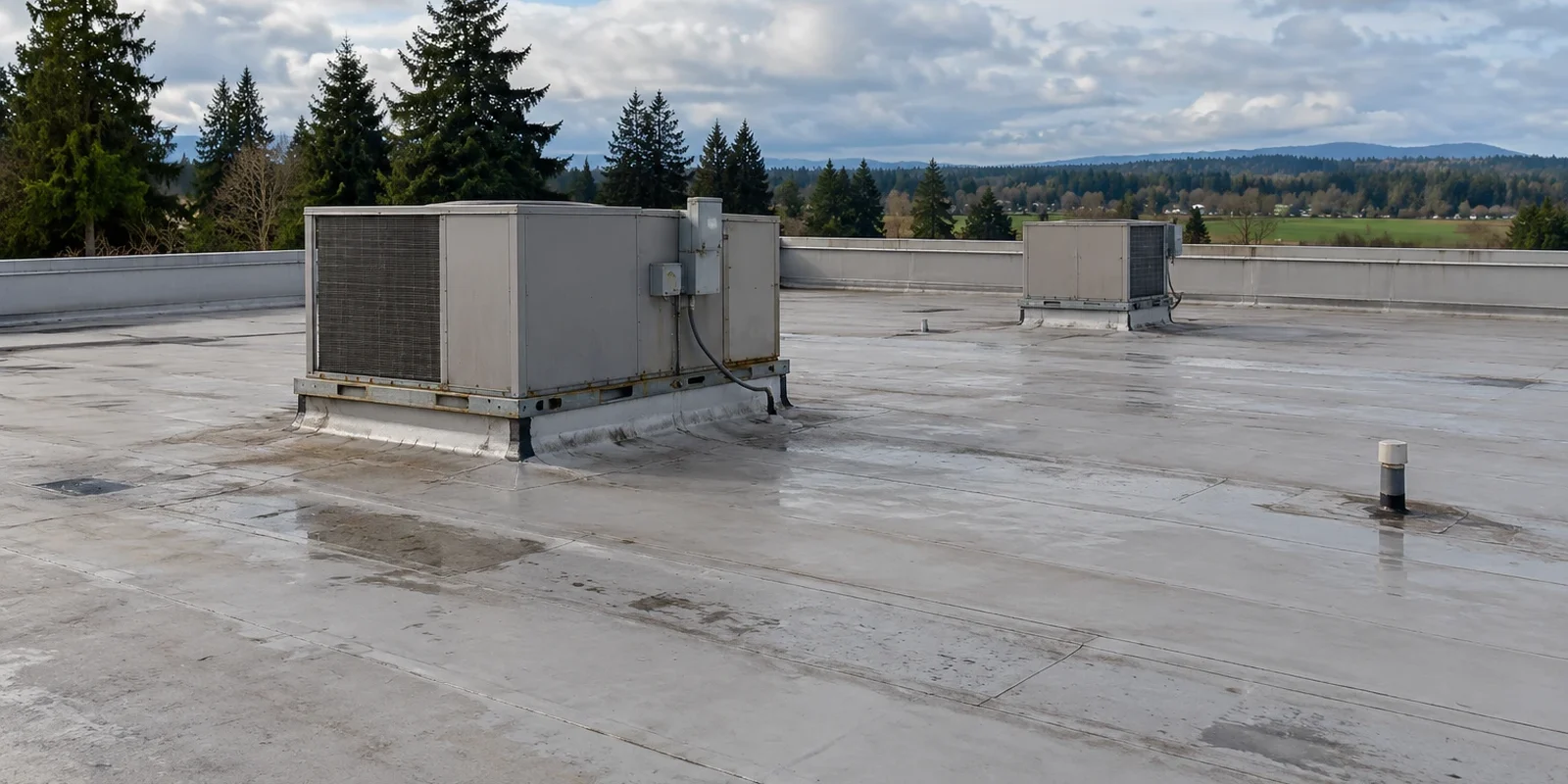
Restaurant roofs carry exhaust fans, make-up air units and sometimes walk-in cooler condensers. Each sits on a curb. Each has a line set or duct through the roof. The flashings multiply.
We map them on the first walk and read the height, base flashing and sealant on each curb. Heat from the fan cooks the sealant faster than a plain roof field would. We check it more often. The curb and support list becomes its own bid line.
Hood cleaners visit the roof too. They carry buckets, brushes and degreaser. A spill leaves a stain and a slick spot. We recommend walk pads to the fan and a drip rule for cleaners. That costs little and saves the sheet.
Roof drainage near fans needs care. Grease and debris wash toward the nearest drain and clog the strainer. We check those drains first and add a protective screen where needed. A clogged drain next to a fan is how a grease pond forms.
Restaurants across Bellingham
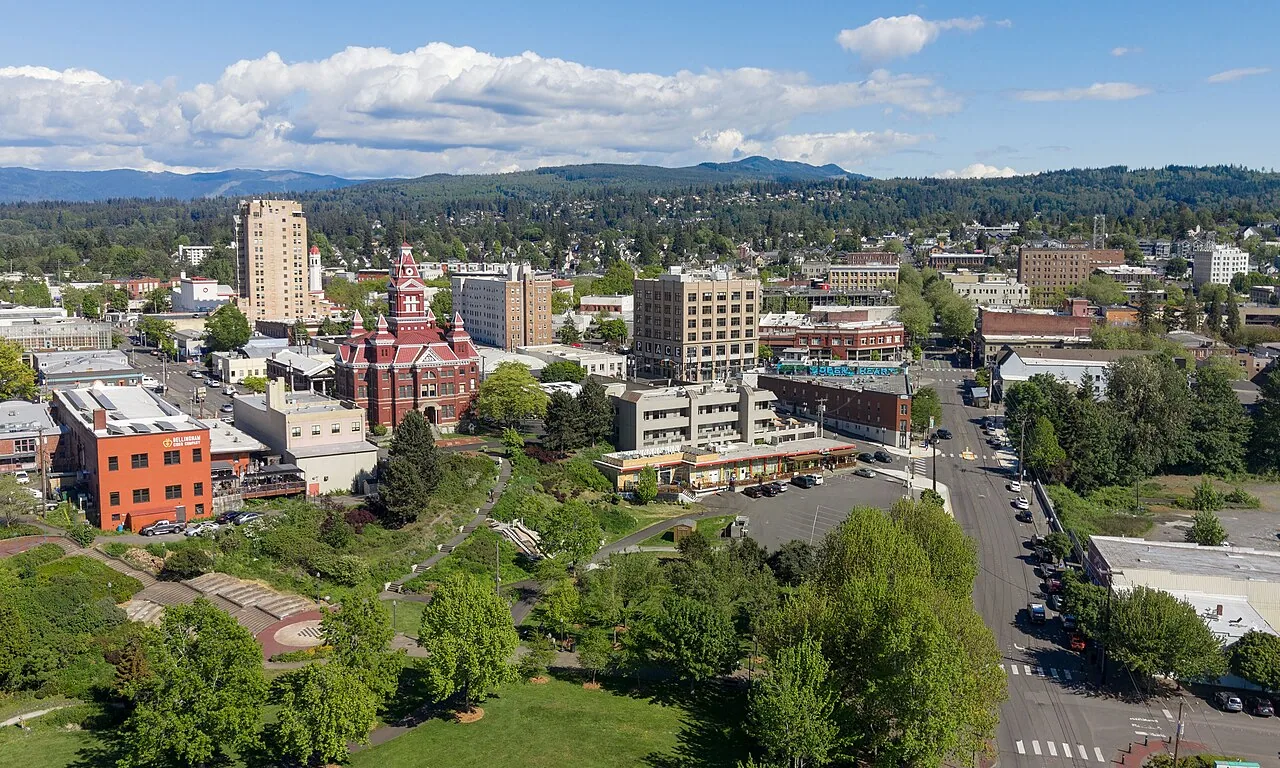
Restaurants and taprooms sit in many kinds of buildings here. Downtown holds the central business district of the county seat. Fairhaven is a National Register historic district on Bellingham Bay, with 19th-century style rules for new buildings. At least 15 breweries operate in the city, often in older light-industrial buildings.
Each setting asks a different roof question. A downtown restaurant asks about tight streets and shared walls. A Fairhaven restaurant may face design review when roof metal changes color or profile. A taproom in a light-industrial building asks about age, load and ventilation. The first walk answers the roof system.
Work in downtown Bellingham and Fairhaven follows the same steps, with extra weeks for review where it applies.
Patios and rooftop decks add another layer. A deck laid over a membrane needs pedestals or sleepers that spread the load. Drain access must stay open under it. A roof that carries diners needs a stricter punch walk than one that carries only fans, and we write that in.
What moves the price
Five items move a restaurant roof price. They are exhaust zone work, penetrations, insulation, access and service-hour limits. A deeper insulation layer, required under the energy code that took hold on March 15, 2024, means taller flashing at every exhaust curb. Thicker board lifts every flashing. Exhaust zone work adds sheet cost and labor. Access depends on the lot or the street. Service hours set the crew day. A kitchen that opens at eleven gives us a morning. A kitchen that serves breakfast gives us an afternoon.
A small restaurant roof is often a repair, not a replacement. We price both. A leak repair may buy several years. A replacement may be better if the exhaust area has failed.
Insurance often asks for roof condition after a kitchen fire or a grease event. A dated photo set and moisture readings help. We keep them in the file from day one.
Wet season and service hours
About 34.8 inches of rain a year reach Bellingham roofs, and the kitchen below cannot take a drop of it. The wet peak is November and the dry peak is July. About 1,866 sun hours a year keep a deck damp, and a damp deck delays a lunch-hour dry-in. We open only what we can close the same day. We stage material away from the kitchen door and the delivery dock. We protect the dining room with a leak watch. Fan shutdowns happen in short windows agreed with the chef. Fumes and dust stay away from patio seating.
Summer is the cheaper window, but it is also patio season. We plan around outdoor dining and special events. The bid shows the tradeoff.
Weekend rush sets the hard limit. We finish noisy work before Friday and leave Saturday and Sunday for emergency response only. Monday mornings are the best days for starts.
Wind, signs and patios
Bellingham's 67 mph gust of March 2016 stripped stucco off a storefront, and awnings and signs ride the same wind. In November 2024 a bomb cyclone pushed easterly wind through Sudden Valley, a reminder that signs, awnings and patio covers all catch wind.
Perimeter fastening goes on every bid. Metal gauge at the edges and the spacing of fasteners both go into the scope. Probes check the seams, and pulls check the caps. Sign bases and rooftop screens get a quick fastener check. The owner joins the punch walk. A roof map, photo set and penetration log follow. A grocery store or a shopping center pad site uses the same file.
Awnings and patio covers are tied to the building at flashing points. A pulled bracket opens the wall. We check the attachments and re-seal them during the work, since that is cheaper than a second visit after a gale.
Commercial Roofing Questions
Which membrane survives a grease fan?
A grease-resistant sheet such as PVC, with a catch pan and a cleaning schedule. We check the sheet near the fan at every visit.
Can a restaurant stay open during roof work?
Usually. We work in short windows, protect the dining room and keep fumes away from patios. Fan shutdowns follow the chef's schedule.
Why are exhaust curbs the first stop?
Heat and grease age sealant and sheet quickly. A leak there reaches the kitchen first. We map and rate each curb before we price the field.
Do historic districts change the roof plan?
They can. Fairhaven has style rules for new buildings, and design review adds weeks. We flag it on the first walk.
How do hood cleaners affect the roof?
Spills stain and soften the sheet. Walk pads and a drip rule protect it, and we add both to the closeout file.
What does a grease-related roof claim need?
Dated photos, moisture readings and a record of fan cleaning. We build that file at install and update it each spring.
Send the drawings and the exhaust schedule
Send the roof plan, the exhaust schedule and your target dry-in window. We will price every fan, curb and termination before the bid closes.