Apartment and Multifamily Roofing in Bellingham, WA
Roof repair and replacement for apartment buildings in Bellingham, WA, with resident notice, coastal hardware and wet-season phasing priced up front.
Apartment and Multifamily Roofing in Bellingham, WA
Roof repair and replacement for apartment buildings in Bellingham, WA, with resident notice, coastal hardware and wet-season phasing priced up front.
Property Types We Roof
Apartment and Multifamily Roofing in Bellingham
Where a gable meets a flat deck, water has nowhere polite to go. The valley between them collects debris, moss and needles, and the flashing at the wall takes the load. On an apartment building in Bellingham, WA, that junction is the first thing we check. A leak there reaches a resident's ceiling in one storm.
Apartment roofs are home roofs. Residents are present every day, and every complaint reaches the property manager. Send us the drawings, the unit map and the target dry-in window. We will price every valley, curb and termination before the bid closes.
Overview
Apartment and Multifamily Roofing
Valleys, decks and low-slope sections
Many multifamily buildings mix steep and low-slope roofs. A pitched roof sheds water fast. A flat section over a stairwell or a balcony does not. The point where the two meet is a flashing detail that needs care.
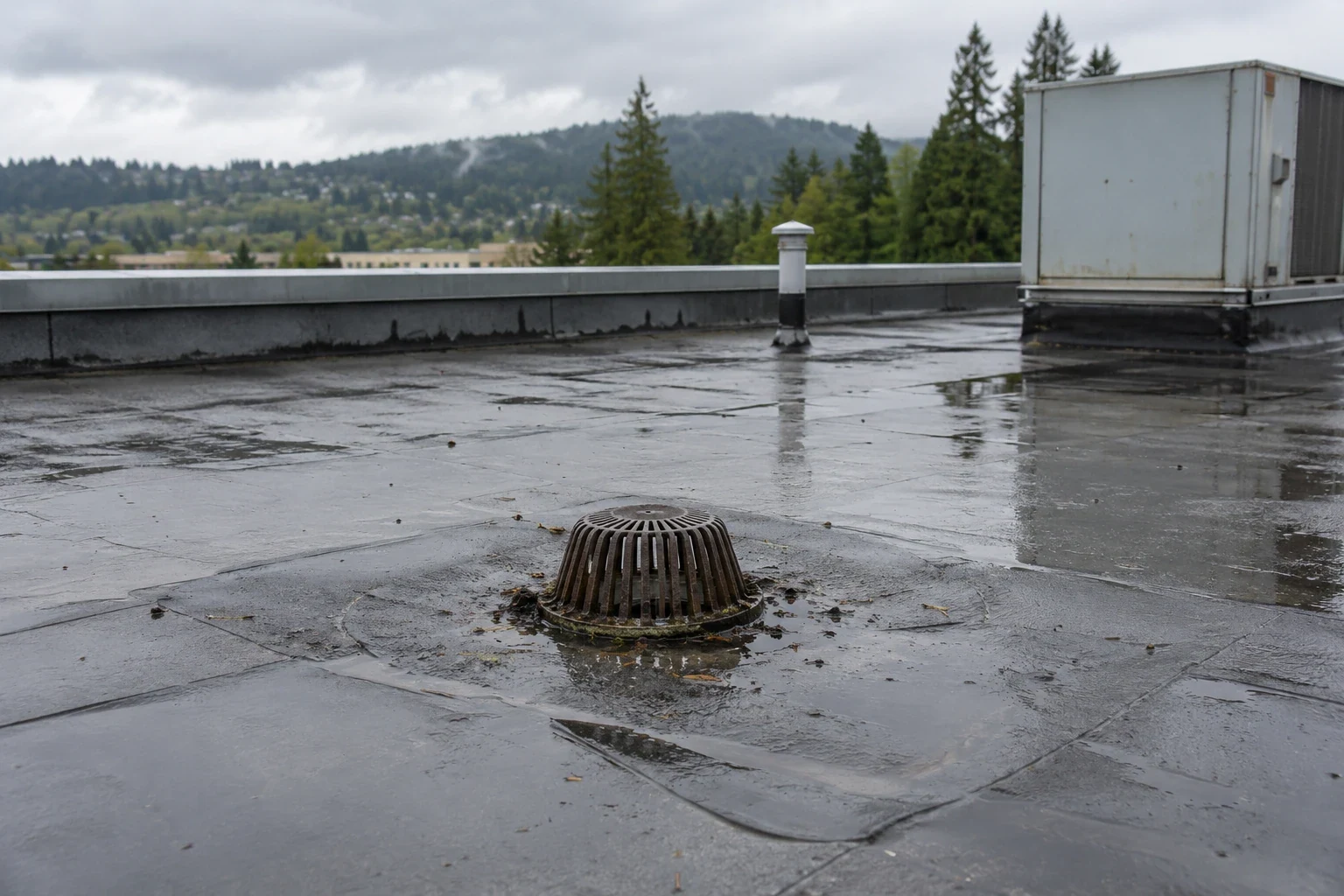
On the first walk we trace every valley and every low-slope section. We check base flashing height, counterflashing and the drain or scupper at the low end. Moss grows thick in shaded valleys here, because Bellingham has very low sunshine, about 1,866 hours a year. A clogged valley pushes water under shingles or membrane.
The roof file marks each valley with a photo and a condition note. Property managers can then tell a resident which section leaks and why. A drain and scupper clean-out each fall prevents most of the winter calls.
Balconies and walkways are the other leak source on multifamily roofs. A balcony floor is a small roof over somebody's patio. The membrane, the drain and the wall flashing all matter. We water-test balconies on the first walk and log each result by unit. A deck coating or a new drain boot often fixes it without a full replacement.
Coastal condominiums and vacation homes
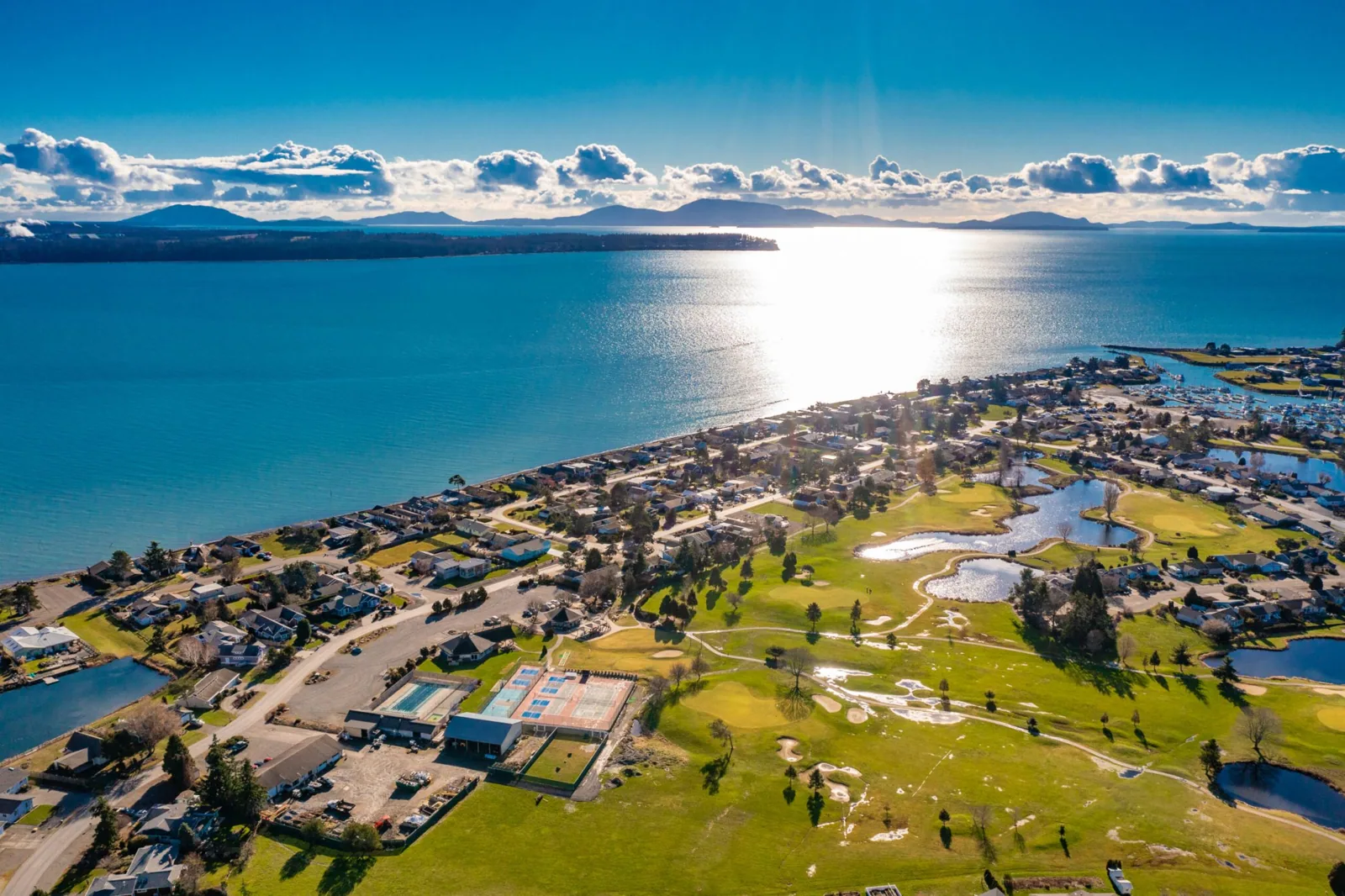
Birch Bay had 10,115 residents in 2020 and sits about six miles south of the Canadian border. Condominium and vacation-home development there grew in the 2000s, producing multi-family roofs on a coastal exposure. Semiahmoo Spit is waterfront, exposed to salt air and wind. A 2024 proposal for a 211-unit condominium next to its marina stalled over shoreline setback rules.
Salt air corrodes fasteners, flashings and metal edges. We specify corrosion-resistant hardware near the water and check it more often. Vacation units may sit empty for weeks, so a leak can run unseen. A roof check each spring and a water test of balconies and decks catch problems early.
Work around Birch Bay and Semiahmoo follows the same steps.
Shoreline setbacks and design review can shape staging near the water. We ask the building department and the association early, and we carry any lead time on the calendar.
What moves the price
Six items move an apartment roof price. They are roof area, pitch, penetrations, tear-off layers, access and resident impact. Membrane or shingle is the smaller line.
Where a new assembly triggers it, insulation thickness is set by the 2021 Washington State Energy Code, which has applied statewide since March 15, 2024. Penetrations are many: plumbing vents, bath exhaust, dryer vents and flues. Access depends on the lot. Tall buildings need lifts or cranes. Resident impact sets the phasing.
Layers matter. The 2021 International Existing Building Code limits how many roof layers a building may carry. We count layers at the first walk. A building at the layer limit needs a tear-off. A building with one layer may take an overlay if it is dry. Readings decide.
Shingle or membrane is a real decision on a pitched section. Shingles cost less per square and need more upkeep on a mossy roof. A metal option costs more and sheds moss and snow. A low-slope membrane suits flat decks. We price the options for each section so the owner can mix them.
Residents, noise and notice
Residents are home at all hours. A tear-off over a living room is loud. We plan to keep complaints low.
Notice goes out ten days ahead and again the evening before. It names the days, the hours and a phone number a person answers. Loud tasks happen mid-morning. Parking and trash areas stay clear of staging. Balconies get tarps or covers when work sits above them. Pets, windows and smoke detectors get a line in the notice.
Each of these is part of occupied building reroofing, and each is a line on the bid. A property manager who knows the schedule can answer residents in advance.
Move-outs and turns give a window. A vacant unit under an open section is a lower-risk place to work. The property manager can sequence the turn dates against the roof phases, and the plan shows which units sit under which section.
Wet season, snow and phasing
Bellingham sees about 34.8 inches of rain a year. November is the wettest month. July is the driest. Annual snowfall averages roughly 10 inches, mostly December through February, with occasional cold snaps.
Apartment roofs cannot sit open in November. We phase by building or by wing. Each section opens, dries in and closes the same day. Material stays under cover. If the forecast turns, the crew stops and seals.
Summer is the cheaper window. Terminations and metal close in good light. Residents also keep windows open in summer, so dust and noise reach more units. The bid shows the tradeoff, and the property manager picks.
Gutters and downspouts carry the load off a pitched roof. In November they fill with needles and moss. We clear them at the start of each job and again at the punch walk, because a blocked gutter returns water to the fascia and the wall.
Wind and the edge
In March 2016 a 67 mph gust pulled stucco off a Bellingham storefront. In November 2024 a bomb cyclone pushed easterly winds into Sudden Valley, where at least 16 homes took damage. Apartment roofs have long eaves, tall gables and exposed edges. All catch wind.
Perimeter fastening goes on every bid. Edge metal gauge and fastener spacing go in writing. Seams get probed and caps get pull-tested. The punch walk ends with the property manager. The property manager keeps the roof map, photos and penetration log. A hotel or a senior living building uses the same file, and a property management company with several buildings can run one format across all of them.
Chimney caps, vent hoods and satellite mounts get a fastener check as well. They are small, and they fail quietly. A loose vent hood admits rain into an attic long before a ceiling stains.
Commercial Roofing Questions
How much notice do residents get before roofing starts?
Ten days ahead, then a reminder the evening before. Notice names the days, hours and a phone contact.
Why are valleys the first check?
Valleys collect debris and moss, and the flashing at the wall takes the load. A clogged valley is a common source of apartment leaks.
Can a building with two roof layers take a third?
Usually not. The existing building code limits layers. We count them at the first walk and price a tear-off when the limit applies.
Does salt air change the work near the bay?
Yes. Fasteners and metal edges corrode faster. We specify corrosion-resistant hardware and inspect it each spring.
What if a unit is vacant when a leak starts?
We recommend a spring check and a water test of balconies and decks. Vacant units hide leaks, so the check matters most there.
Send the drawings and the unit map
Send the roof plan, the unit map and your target dry-in window. We will price every valley, curb and termination before the bid closes.