Occupied Building Reroofing in Bellingham, WA
Reroofing Bellingham, WA buildings while tenants, patients and staff stay inside: phased tear-off, daily dry-in, noise windows and clear access routes.
Occupied Building Reroofing in Bellingham, WA
Reroofing Bellingham, WA buildings while tenants, patients and staff stay inside: phased tear-off, daily dry-in, noise windows and clear access routes.
Commercial Roofing Services
Occupied Building Reroofing in Bellingham
A tear-off over an open office puts debris, noise and rain one deck away from people. In Bellingham, WA that deck sits under a sky that turns on a Tuesday afternoon. So an occupied reroof runs in strips, and each strip is closed and dry before the crew leaves. The building never has a day with open roof overhead.
Tenants want to know three things: when the noise comes, where the crew walks and what happens if it rains. We answer all three before the contract is signed. The general contractor gets a day-by-day plan, and the property manager gets a notice the tenants can read.
Overview
Occupied Building Reroofing
Strips, not sections
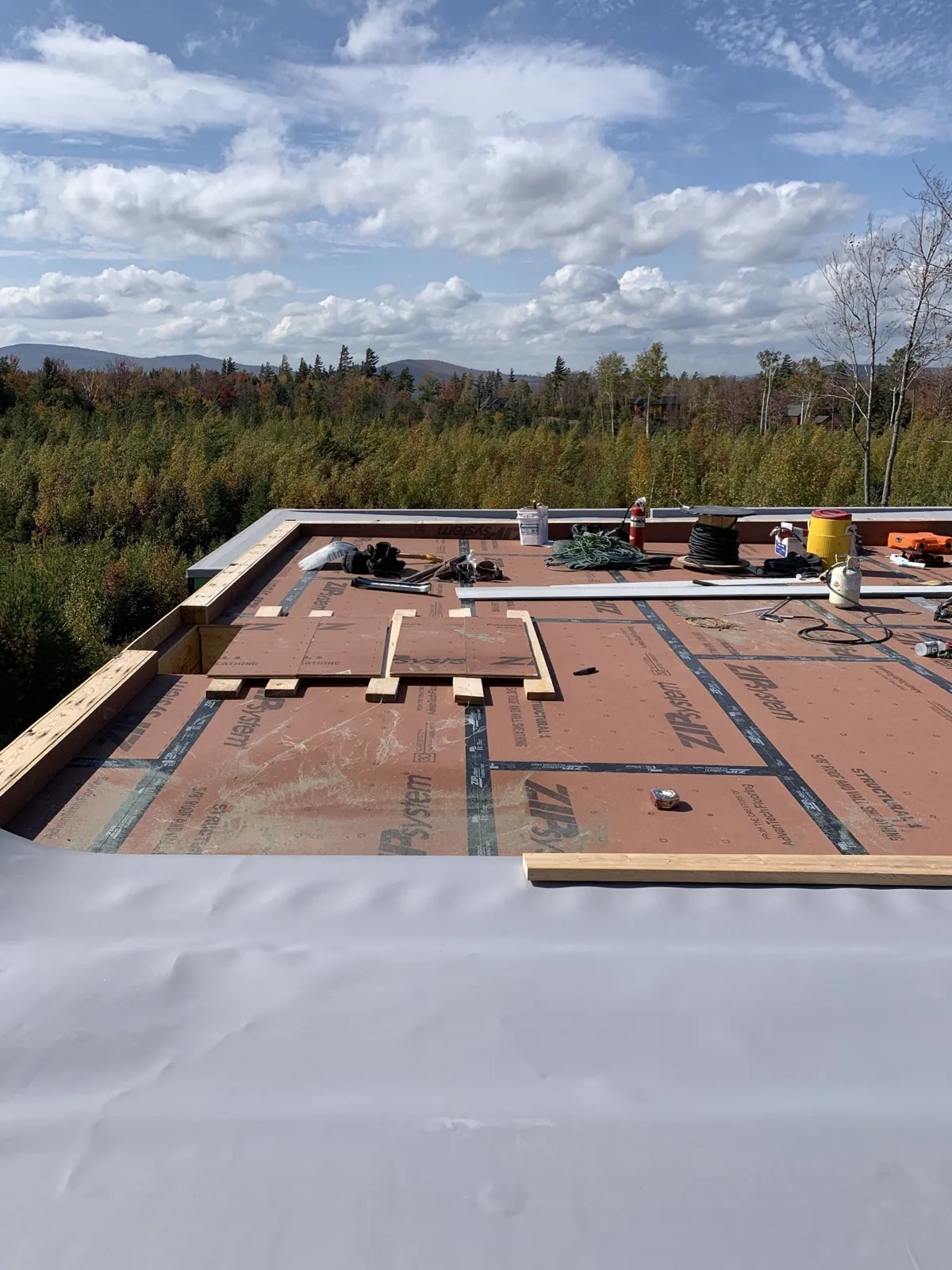
We open only what we can close the same day. A strip is a band of roof, sized to the crew, the weather forecast and the material on hand. Old membrane comes off, the deck is checked and the new system goes on before dark.
The edge of each strip gets a temporary tie-in. That seal keeps water out of the open seam if rain arrives overnight. The next morning we cut the tie-in, weld across it and move on. A hasty tie-in is where leaks start, so the crew leader checks it twice.
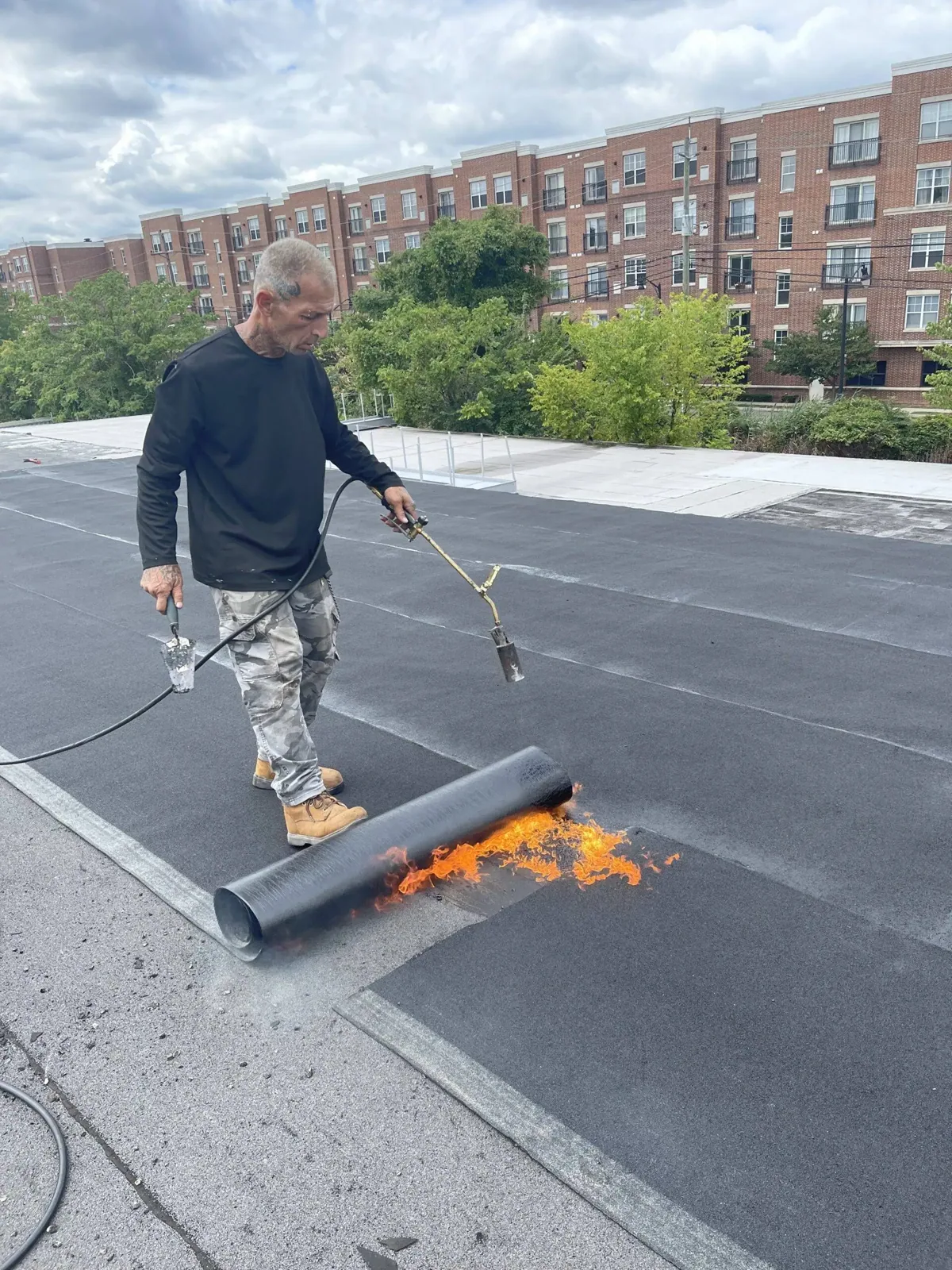
Strip size changes with the system. A TPO strip with welded seams can be wider than a modified bitumen strip that needs torch or adhesive time. The bid line shows the strip count so the owner sees how the schedule builds.
Crew size follows the strip. Too many hands on a small strip means idle time and noise without progress. Too few on a wide strip means the tie-in goes in at dusk with tired eyes. We size the crew to the strip and list the headcount in the daily plan the general contractor receives.
Noise, dust and fumes
The loud work is tear-off and fastener driving. Those windows are scheduled around the tenant, not the crew. A clinic wants quiet during appointments, and a school wants quiet during testing. We put the loud work before opening or after closing wherever the owner can allow it.
Dust falls through gaps. We seal the ceiling plane where it can be reached, protect the air intakes and cover the rooftop units that draw air from the roof level. A fresh air intake near an adhesive pour is a complaint waiting to happen, so we mark intakes on the plan and plan the pours away from them.
Odor is real with some systems. Hot asphalt and solvent adhesives carry a smell. Mechanical fasteners and welded membranes carry less. The system choice often follows the building use, not the cost sheet.
Access and the ground below
People and trucks share the same lot. A crane day closes a loading dock. A hoist closes a stairwell. We lay out the staging area, the haul route and the pedestrian paths with the property manager before mobilizing.
Debris chutes drop into a covered bin, and the bin gets a catch fence. Anything that falls goes to the roof or the bin, never to the walk. Roof access ladders are locked off outside work hours so no tenant or visitor reaches the open deck.
Parking takes thought. A hospital lot near PeaceHealth St. Joseph cannot lose spaces without a plan for patients. A retail lot at Bellis Fair cannot close the fire lane. We pick the staging area where the loss hurts least and tell tenants the date it starts.
Fire access is not negotiable. Hydrants, fire lanes and sprinkler connections stay clear on every shift. The staging plan goes to the building manager and, where needed, the fire marshal's office, before the first truck arrives.
Rain on a live building
Rain in Bellingham totals about 34.8 inches a year, and November is the wettest month. Rain in the forecast changes the day. We watch the forecast and the radar, and we stop the tear-off early when the window narrows.
Each night, the open edge is sealed. If the deck is damp in the morning, we wait. Low sunshine here means decks dry slowly, and a lost morning can become a lost dry-in day. We build that into the calendar, not into a change order.
When a leak does appear inside, the response is immediate. A crew member checks the ceiling, finds the entry and seals it. Tenant reports go to one contact, so the message does not get lost between floors.
July is the driest month, and summer is the best window for work over sensitive space. Fall installs are possible but need tighter strips.
Gusts matter on strip days. The 67 mph winds of March 2016 pulled stucco off a Bellingham storefront, and loose membrane edge is the first thing a gust finds. We ballast or fasten every open edge the moment it is laid, not at the end of the shift.
Tenants who cannot move
Some tenants cannot close. A hospital runs round the clock, a data room cannot lose cooling and a restaurant has a lunch rush. For these buildings we agree on blackout dates and shutdown windows with the facility manager before scheduling.
Schools follow the academic calendar. Classroom buildings at Western Washington University, and at the school district, suit summer work with finish before the fall term starts. Missing the summer window pushes the work into wet months.
Medical buildings add infection control. Dust and fumes cannot enter clinical air. The facility team writes the rules, and we follow them, including sealing, negative pressure checks and the timing of pours.
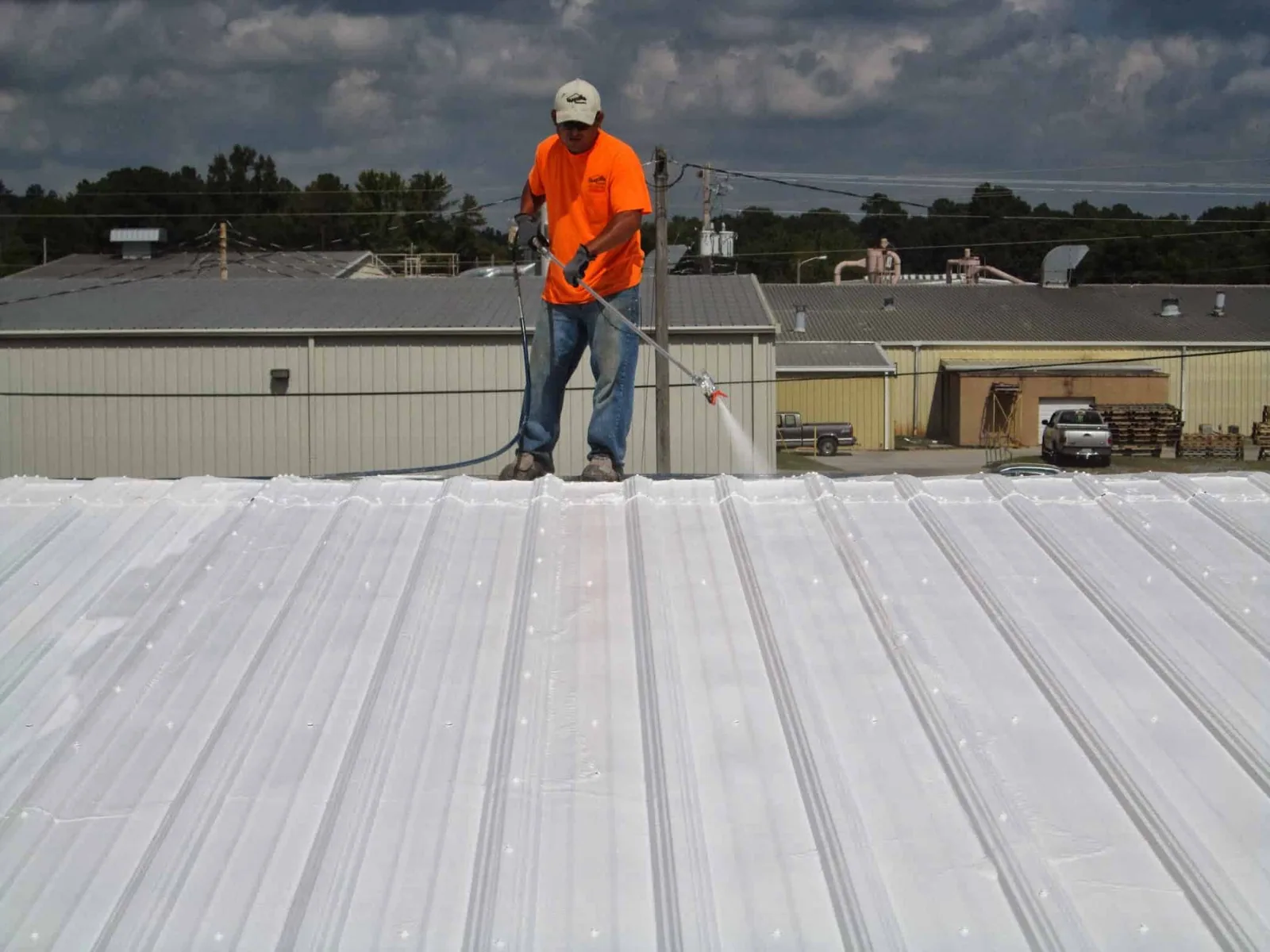
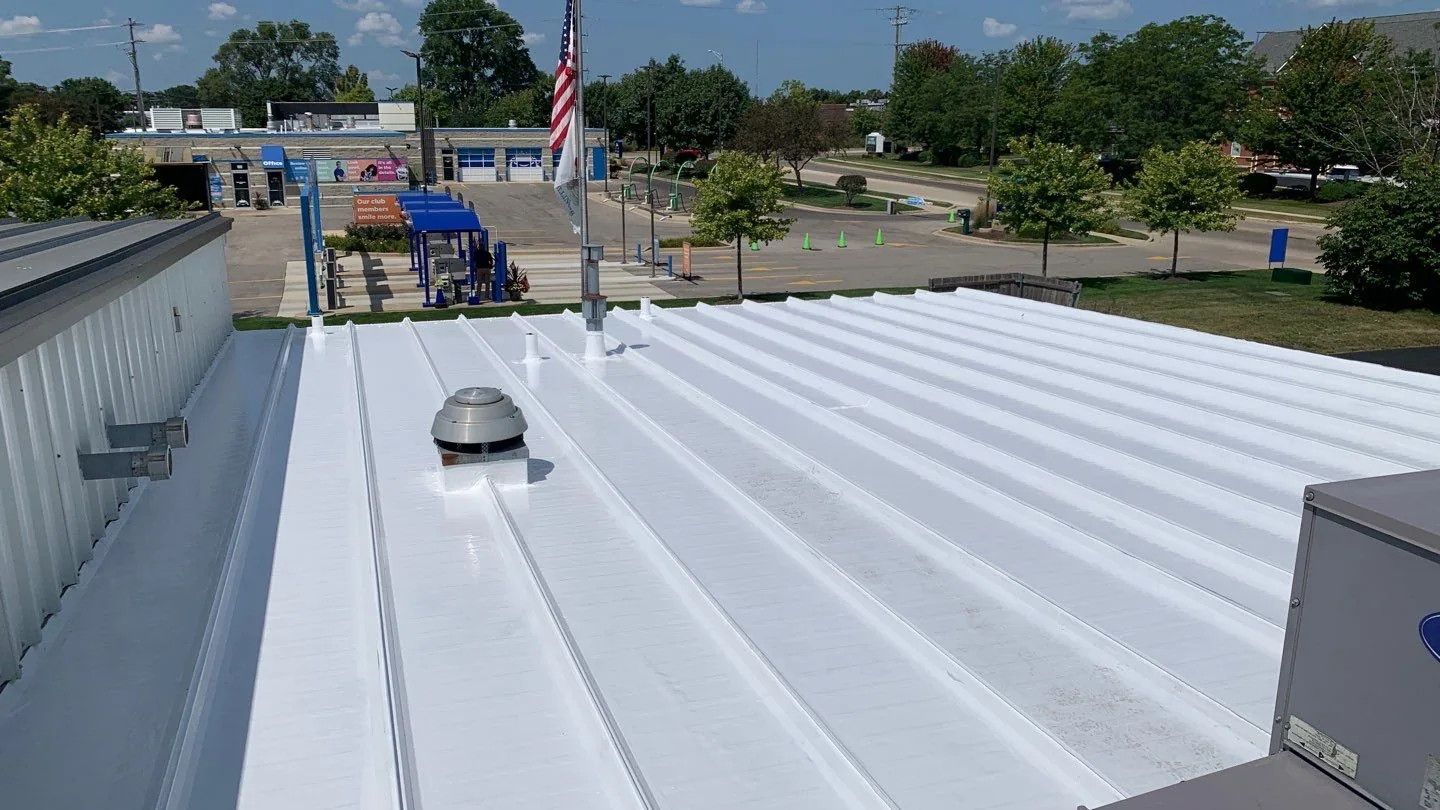
For the hardest cases, an overlay or coating avoids tear-off entirely. A sound roof can be restored without opening it, which means less noise and no debris.
Where it comes up
Any office, medical or mixed-use building in downtown Bellingham or Fairhaven that stays open during a reroof falls under this plan. The downtown core adds tight streets and limited staging, which makes crane scheduling a negotiation with the city.
Where industrial tenants in the Marine Drive area run shifts, we coordinate with each shift lead so the crew is never working over a hazard the floor does not know about.
For larger projects, a full replacement can run in phases across months. Smaller repairs, such as targeted repairs, can often finish before tenants notice.
Commercial Roofing Questions
How do you keep rain out if the weather turns mid-strip?
Every open edge gets a temporary tie-in before the crew leaves its station. We watch the radar through the day and stop tear-off early if the window narrows. The tie-in comes out the next morning only after the deck is checked dry.
Who tells the tenants when noise starts?
The property manager sends the notice, and we supply dates, hours and the type of work. A short written note beats a posted sign. We send the notice early enough for a clinic or a school to move a test or an appointment.
Can a coating avoid disruption altogether?
Often it can, if the roof is sound and dry. A coating needs no tear-off and no debris. We scan the insulation first, since coating over wet material seals the problem in.
What about fumes near a fresh air intake?
We locate every intake and plan adhesives or hot work away from it. For sensitive buildings we choose mechanically fastened or welded systems that carry less odor. The facility manager signs off on the intake plan before the pour.
How does the schedule change on a hospital or clinic roof?
The shutdown windows drive everything. We stage material, pre-cut flashing and move in short bursts inside the allowed hours. Each strip is sized to that window, so the roof is closed before staff and patients return.
Send the tenant calendar and the roof plan
Send the drawings, the tenant list with blackout dates and the target dry-in window. We will price the strips, the protection and the noise windows as separate lines before the bid closes.