Commercial Roofing in Semiahmoo, WA
Commercial roofing at Semiahmoo Spit, WA: resort and marina roofs, salt-air hardware, guest-season phasing, shoreline permit questions and spit wind edges.
Commercial Roofing in Semiahmoo, WA
Commercial roofing at Semiahmoo Spit, WA: resort and marina roofs, salt-air hardware, guest-season phasing, shoreline permit questions and spit wind edges.
Service Areas
Semiahmoo in Bellingham
Salt arrives with every gust on the spit. The spit began as a cannery site and now carries a resort and a marina, with water on three sides and the salt air and wind that come with it. A roof at Semiahmoo, WA is judged by its hardware. Fasteners, trim and sealant fail here first, and they fail in a pattern the rest of the roof does not show.
A resort also sells rooms by the night. A roof job over a guest wing or a restaurant is a calendar problem as well as a corrosion problem. We price both: the marine-grade hardware and the phased schedule that keeps the property open.
Overview
Semiahmoo
Salt eats hardware first
Salt air speeds rust on every exposed metal. A bare galvanized screw starts to stain in a season. Aluminum trim pits. Painted metal chalks. Sealant at laps hardens and cracks.
On a first visit we look for rust at the fasteners, white corrosion on aluminum and chalk on painted panels. Each finding gets a photo and a count. We then specify the fix: stainless or coated fasteners, marine-rated sealant, coated or anodized trim. The hardware line is a small share of the bid and a large share of the life.
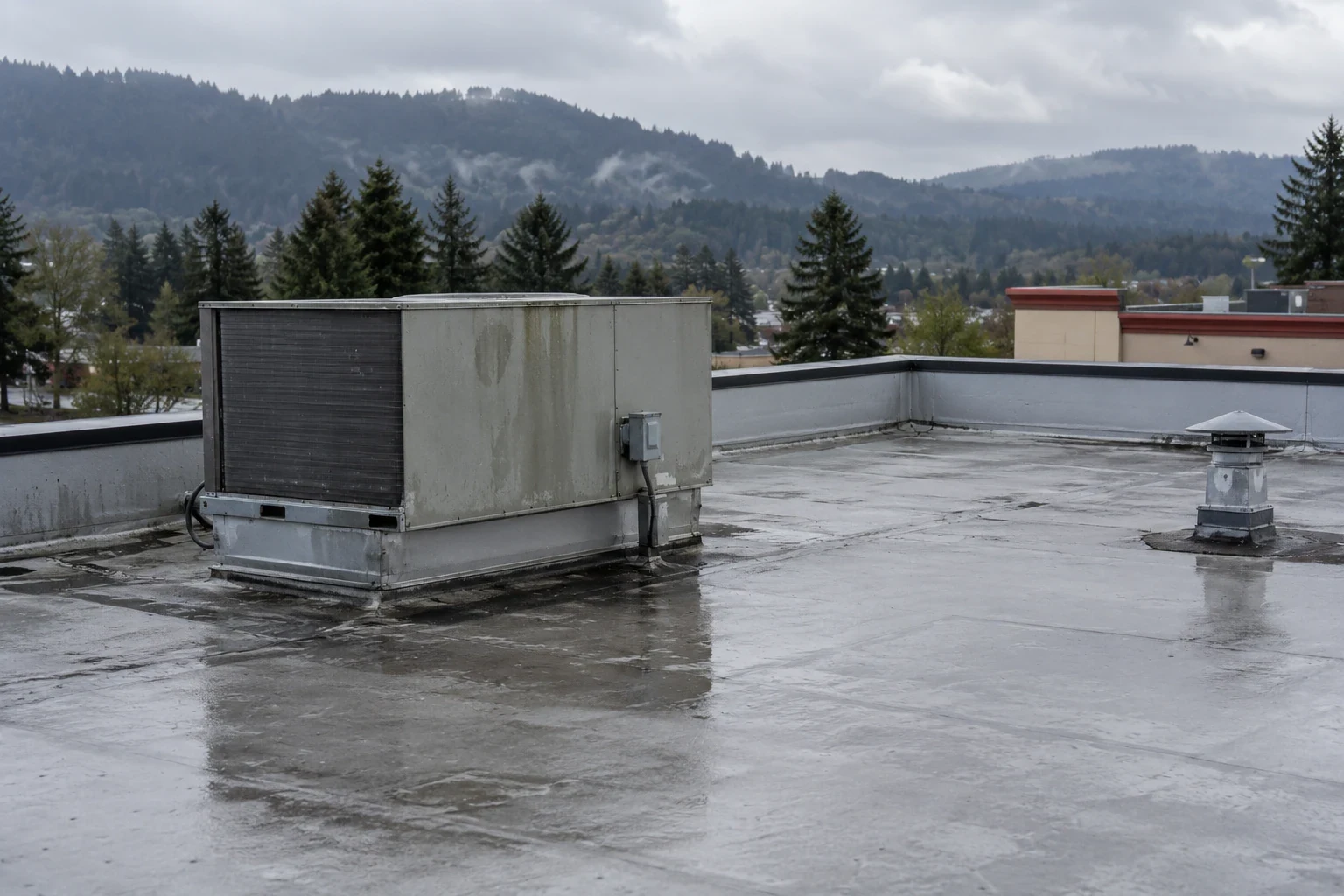
Rooftop equipment near the water corrodes too. Condensers and fans carry coastal coatings. Their curbs and flashings need sealant that survives salt. We list each unit and its condition.
Maintenance beats replacement on salt-exposed metal. A yearly freshwater rinse removes the crust before it eats the coating. Touch-up paint on scratches stops rust at the edge. We include a rinse and touch-up visit as an option, and the owner sees what it saves against an early panel swap.
The guest calendar rules
A resort has peak weeks, wedding weekends and holiday blocks. A tear-off over a guest wing at the wrong time loses bookings. A crane in the front lot blocks check-in.
We ask the manager for the calendar before the bid. The quiet weeks go on the schedule as work windows. The peak weeks go on it as blackouts. Noisy work moves to hours when rooms are empty. We stage materials behind the service area, away from guest paths. A hotel roof and a restaurant roof on the same property get separate sections, since the kitchen exhaust and the guest rooms ask for different things.
Quiet hours matter at night. Guests sleep under the roof we are working on. The schedule keeps loud work out of the late evening and early morning, and the cost of shorter days goes on the bid.
Weather forces choices at a resort. A tear-off section opened on a Monday must be closed by Monday night, because a guest room under an open roof is a refund. We reserve standby crew and tarp material for every open section, and the bid shows the standby cost as its own line so the owner can see what protecting the rooms is worth.
Marina buildings and covered slips
A marina has light structures: boathouses, covered slips, a harbor office, a fuel dock shelter. Most use metal panels over open frames. Wind pushes on them from above and from below. Salt corrodes the clips and purlin connections.
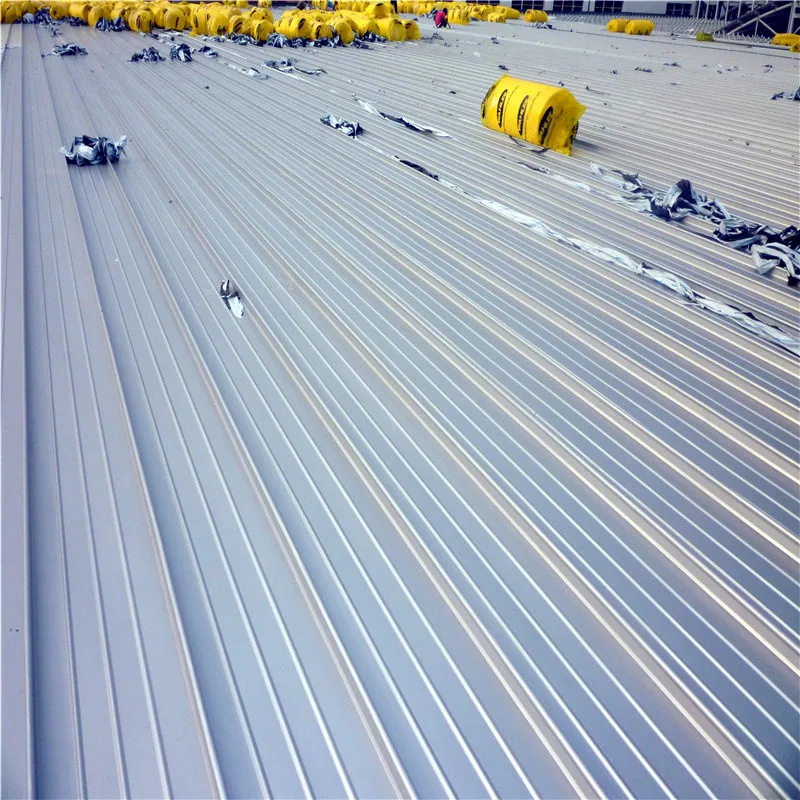
We check clips, ridge caps and panel laps. A standing seam metal roof hides fasteners and sheds spray, and it earns its cost near the water. For a flat section, a welded single-ply with coated metal edge fits. Each choice goes on the bid with its price.
Walkways and docks need access planning. A lift or crane near the water needs firm ground and a clear swing. Material comes in by truck on the service road and moves by hand to the slips. That labor goes on the bid as an access line, since carrying panels along a dock costs more than hoisting them in a lot.
Shoreline rules and the footprint
A 2024 proposal for a 211-unit condominium next to the marina stalled over shoreline setback rules. That story is about new building, not reroofing. It does remind an owner that shoreline property carries extra review.
A like-for-like reroof keeps the footprint. A change in roof height, an added overhang or a new rooftop structure may draw review. We ask the city what applies before we price any change. If the scope stays within the existing envelope, the permit path is simpler. If it does not, the bid names the added steps and time.
Wind on the spit
A spit has water on three sides. Wind gets a clear run. Gusts across Bellingham reached 67 mph in March 2016, and easterlies from the November 2024 bomb cyclone crossed the region. Wind like that finds little to slow it on the spit, so every bid carries perimeter fastening, densest at the corners. Ridge, rake and eave get checked on pitched metal, and coping on flat roofs. Skylights and glazing need a look too. Skylight and penetration flashing gets a separate line.
After a named storm, we photograph the edges and compare them with the baseline set. A lifted cap or a shifted panel found early costs a repair. Found late, it costs the roof below it.
What drives the number
At a resort, cost follows hardware, phasing and access more than roof area. Marine-grade fasteners and trim raise the material line. Short work windows and quiet hours raise the labor line. Carrying material to remote structures raises the access line. A tear-off adds disposal and exposure. A recover avoids both when the roof qualifies.
We show each driver on its own row: base roof, marine hardware, phasing, standby and access. The owner can then choose between a full replacement now and a phased plan across two off-seasons. A phased plan costs more in mobilization and less in lost bookings. Which is cheaper depends on the property's calendar, so we price both and show the difference.
Warranty terms matter near salt. Some manufacturers limit coverage in marine exposure unless specific materials are used. We read the terms before we specify, and we record the exact products on the closeout sheet.
Wet season and closeout
Bellingham averages about 34.8 inches of rain a year, and Blaine, on the border, gets about 42. Sunshine totals only about 1,866 hours in Bellingham. Moss and algae grow on shaded slopes. We clean them with a low-pressure wash and recheck the laps. A yearly visit clears gutters, checks hardware and photographs every curb.
At closeout we walk each section with the manager. Flashing is tight. Sealant is tooled. Drains flow. The binder holds photos, warranty papers and the corrosion log. Birch Bay and Blaine face the same salt, so the hardware list carries over. Send the roof plan and the guest calendar. We will price the hardware and every termination before the bid closes.
Commercial Roofing Questions
Which fasteners hold up on the spit?
Stainless or coated screws set in marine-rated sealant. Bare galvanized hardware rusts in a season.
Can a resort stay open during a reroof?
Yes. Work runs by section in quiet weeks, and loud work avoids late evening and early morning.
Does shoreline review apply to a reroof?
Like-for-like work keeps the footprint. A change in height or an added structure may draw review, so we ask the city first.
What roof suits a covered slip?
Standing seam metal with coated clips. It sheds spray and hides the fasteners.
How often should hardware be checked?
Yearly. Salt moves fast, and a corrosion log shows which fasteners are going.
Send the roof plan and the guest calendar
Send the roof plan, the guest calendar and your target dry-in window. We will price the marine-grade hardware and every termination before the bid closes, so the owner decides what stays in.