Commercial Roofing in Mount Vernon, WA
Commercial roofing in Mount Vernon, WA, Skagit County's largest city: low-slope repairs, replacements and recovers planned around I-5 access and dry-in days.
Commercial Roofing in Mount Vernon, WA
Commercial roofing in Mount Vernon, WA, Skagit County's largest city: low-slope repairs, replacements and recovers planned around I-5 access and dry-in days.
Service Areas
Mount Vernon in Bellingham
A city of 35,219 has more roofs than one crew can read in a week. Mount Vernon, WA is the largest city in Skagit County by the 2020 count, and I-5 plus SR 9, SR 536 and SR 538 serve it. Commercial roofing here means sorting many buildings by urgency and getting the worst ones dry first. We start with a list, not a bid.
A permanent flood wall was completed in 2019 against Skagit River flooding. That tells us the city plans for water in a large way, and the same attention applies to a roof. A roof moves water too, and its drains and edges need to work before the next storm tests them.
Overview
Mount Vernon
Sorting many roofs
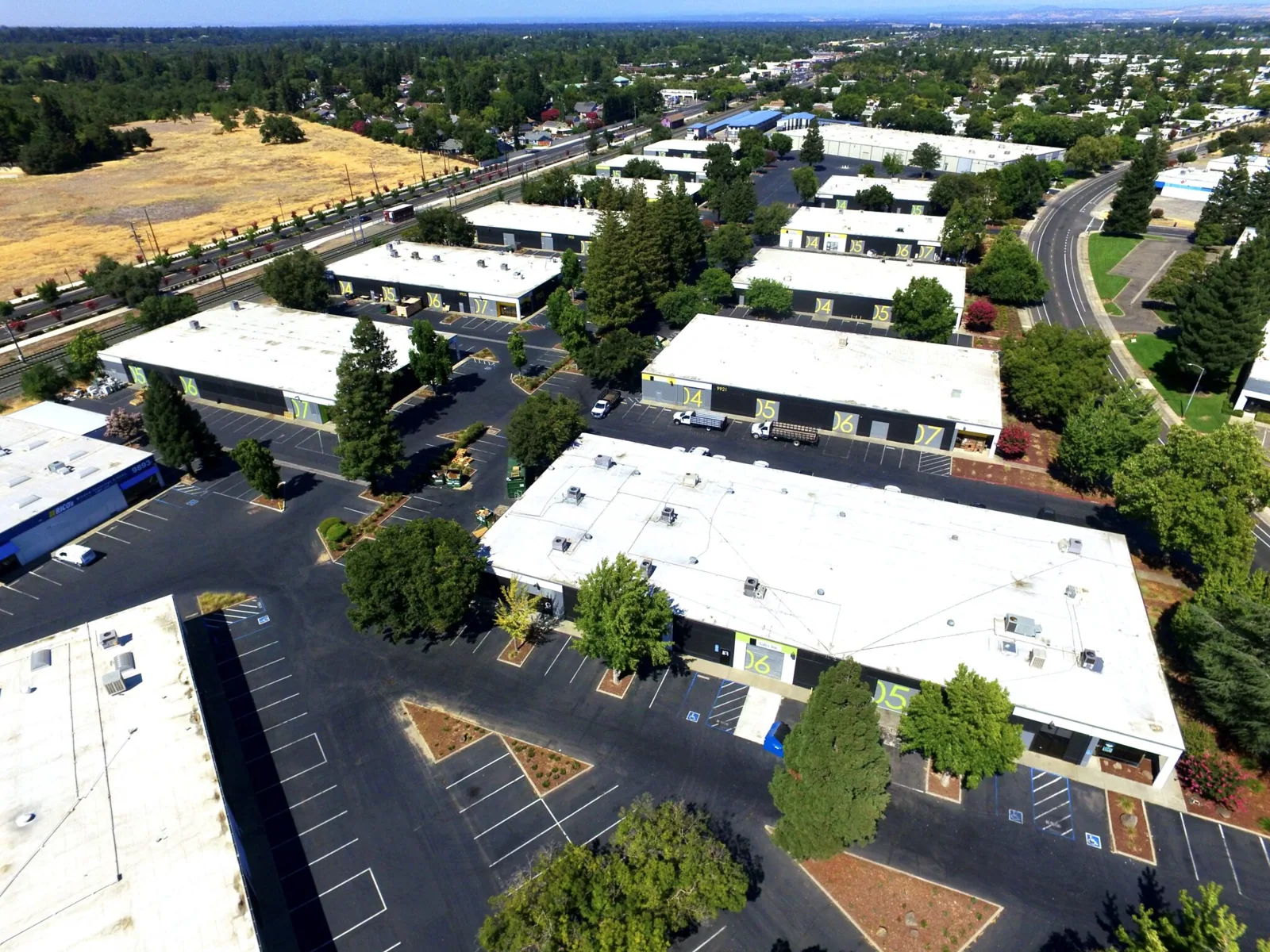
A property manager with a dozen buildings in one city needs a ranked list. We walk the roofs, grade each component and sort by risk. Leaks and safety items come first. Items likely to fail within a season come second. Items that can wait come last.
The list carries photos and a cost range for each item. It gives the owner a clear view of the whole group, and it supports budget decisions. Our condition reports use the same format for every building.
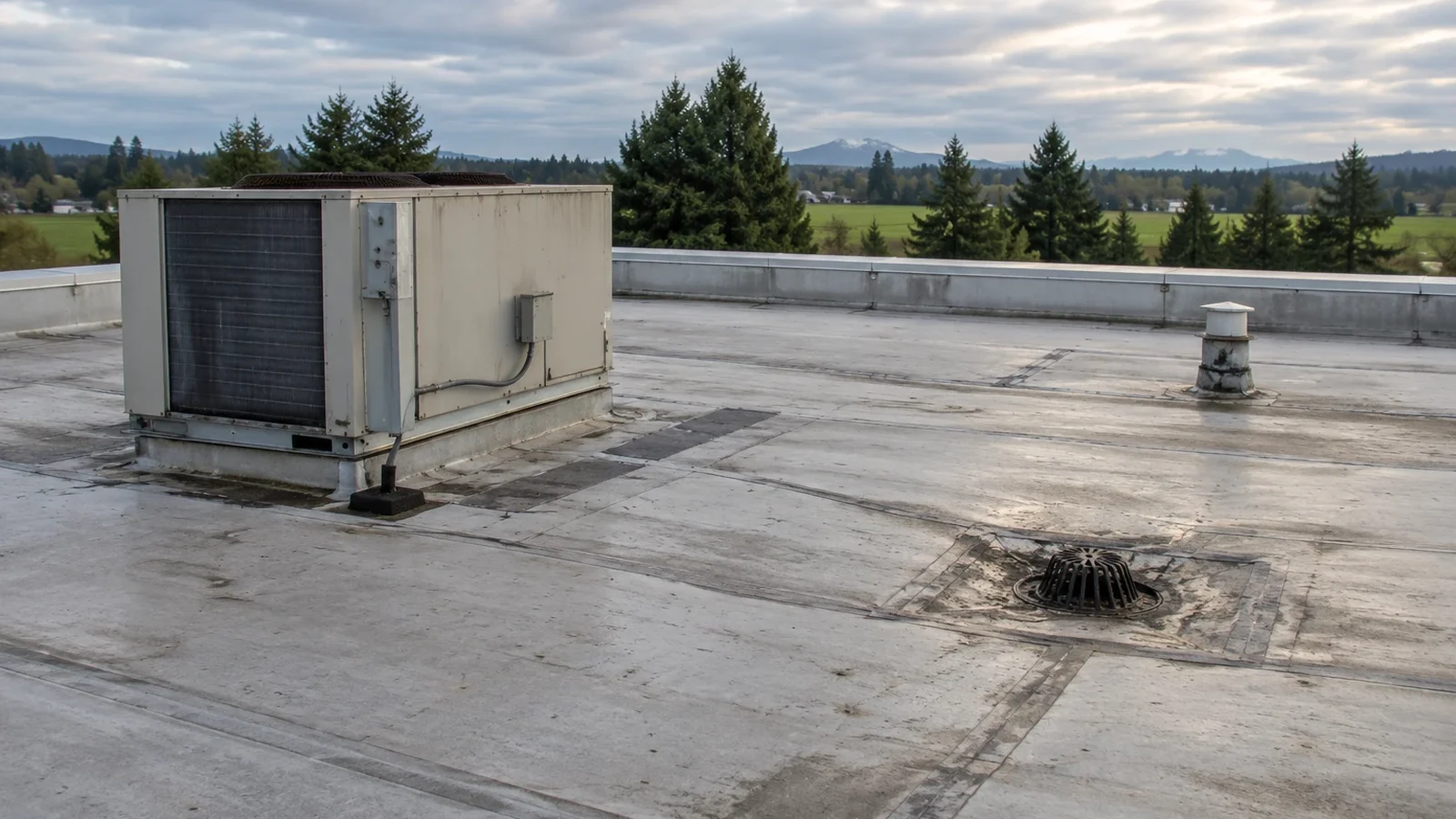
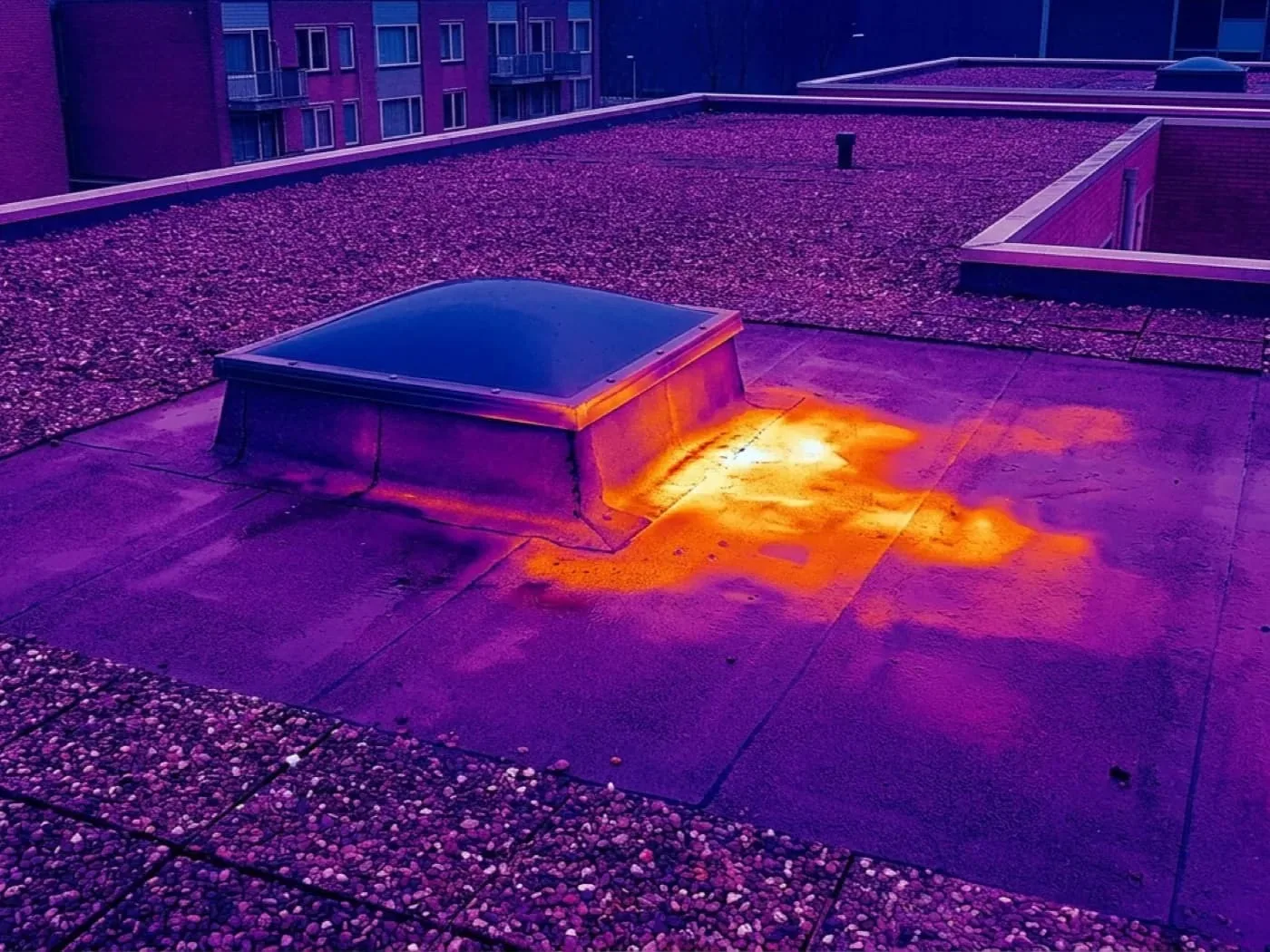
A first walk reads the roof: membrane type, seams, flashings, drains, penetrations and ponding. Where insulation may be wet, a moisture survey maps it. The list follows from what we find.
Scoring is by component. A roof with a sound field and failing flashings reads differently from one that is tired everywhere. Edge metal, drains, curbs and penetrations each get a grade. The grades make it plain whether a roof needs a flashing repair, a coating or a new membrane.
Access notes go on the list as well. Hatch locations, ladder reach, lift needs and the person who holds the key all change how fast a crew can respond. For a city-scale list, those notes save hours at every visit.
Highways and access
I-5 runs through the city, and SR 9, SR 536 and SR 538 branch off it. Good highway access helps deliveries and crews, and it also means roof access can be tight at buildings beside busy routes. A crane day on a street near an interchange needs traffic planning.
We book equipment early and confirm staging before the crew mobilizes. Material drops go on a schedule that matches the dry-in plan. A late truck costs a morning, and a morning can cost a day when the weather is marginal.
For sites on a shared route, we group work. A crew can handle several repairs in the same trip, and the per-roof cost drops. A multi-site program makes that grouping a standing habit.
Traffic around interchanges affects the schedule. A lift or a delivery that blocks a lane needs a plan and sometimes a permit. We check the rules with the building manager and the city before the crew mobilizes. A permit delay of a week can push a summer job into the fall.
Roof water and the river city
A city that built a flood wall knows water. A roof sees a smaller version of the same problem: where does it go, and what happens when the path blocks? Drains, scuppers and gutters are the roof's flood control.
On a first walk we clear and test every drain. We pour water at the sump and watch flow. We check that overflow scuppers exist and sit at the right height. A drain or scupper repair is often the cheapest fix on the list and the one that prevents the largest loss.
Ponding gets mapped. Standing water after rain ages membranes and loads the structure. Tapered insulation or added drains correct it during a reroof or a recover.
Gutters and downspouts follow the same logic on buildings that use them. We clear them, check the hangers and test the joints. Water that spills over a gutter in a storm soaks the wall and the ground beside it. On a long run, an extra downspout is cheap protection.
Roofs that are tied into building walls need flashing that sheds water outward. Counterflashing, reglets and termination bars are checked for gaps. A gap of a quarter inch lets a lot of wind-driven rain into a wall cavity.
Climate and the calendar
Skagit County has its own weather. Bellingham's figures, 34.8 inches of rain a year and about 1,866 sunlit hours, serve only as a reference, so we plan with float. Installs aim at summer, when welded seams, adhesives and coatings find dry surfaces. Fall work needs tighter strips and temporary seals, and winter work is repair work with permanent fixes saved for dry spells.
Wind is the other test. Bellingham logged 67 mph gusts in March 2016, and a bomb cyclone moved easterlies through Sudden Valley in November 2024. Roof edges catch wind first. We check coping, drip edge and gutter fasteners on every walk.
Moss and algae follow damp, shaded roof areas. We clean them off, treat the surface and check the membrane beneath. A moss line that returns every autumn marks a spot where water lingers, and the real fix is drainage, not another cleaning.
Repair, recover or replace
Three paths exist. Repair keeps a sound roof sound. A recover or a coating extends life when the assembly is dry. A replacement resets the clock.
Moisture decides. A saturated assembly points toward replacement. A dry one with a tired surface suits restoration. Where the roof allows both, the two bids sit side by side.
A replacement now follows the insulation levels of the 2021 energy code, in effect statewide since March 15, 2024, which often raises curbs and flashings. The design team confirms what applies, and our estimate shows the code-driven items as their own line.
A coating is a fit for many sound roofs. An acrylic coating costs less per gallon and needs a rain-free cure window. Silicone costs more and tolerates ponding. Either way, a moisture scan comes first, and repairs come before the coat. The choice follows the slope and the substrate.
What drives the number
Roof area, system and condition set the base. Drainage corrections, curb work and edge metal add lines. Access and staging add more. The calendar changes the rest.
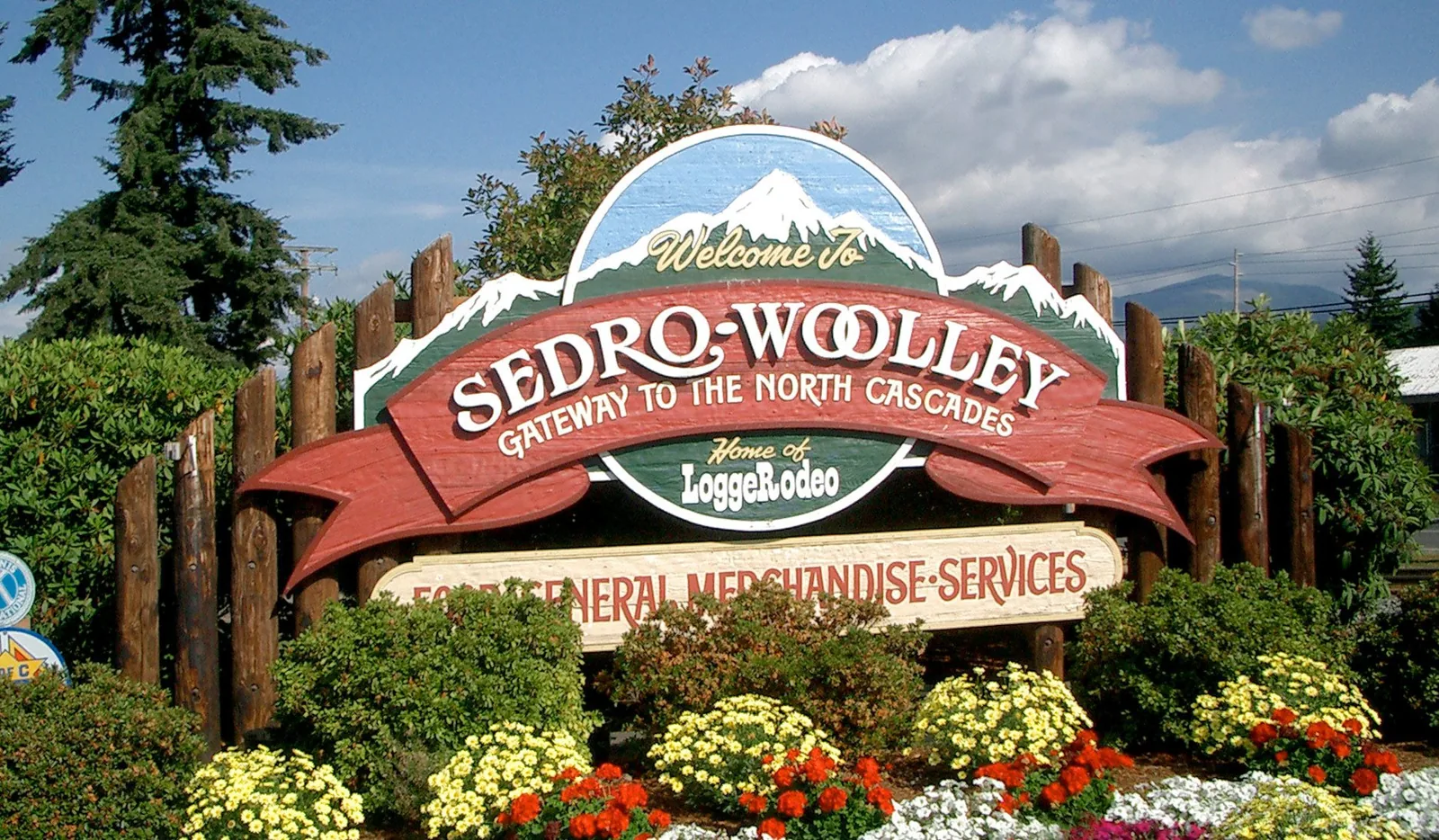
Skagit County neighbors share many of these drivers. Burlington lies on the same I-5 corridor, and Sedro-Woolley sits where SR 9 and SR 20 meet. When several sites are in play, we run them as one route. That keeps travel and mobilization costs down and gives the owner one schedule to follow.
Emergency response sits inside any ongoing relationship. A leak call goes to one number, and the crew diverts to stop the water and document the damage. Permanent work is then scheduled for the right weather.
Commercial Roofing Questions
How do you rank many roofs at once?
By risk: active leaks and safety items first, near-term failures second, deferred items last. Each gets a photo, a scope and a cost range. The owner sees the whole group on one list.
Does highway access change a roofing job?
It helps deliveries and complicates crane days near busy routes. We plan staging and traffic control early and book equipment ahead of the crew.
What do you check first on a flat roof?
Drains and overflow scuppers. We pour water at each one and watch it clear. A blocked drain is the cheapest fix and the costliest miss.
Can repairs wait until summer?
Often, if the leak is stopped temporarily. Permanent work needs dry weather. We seal, document and schedule the fix for the next dry window.
How does the energy code change a replacement?
It sets insulation levels the design team applies. The result is usually a thicker roof stack, which raises every flashing. We carry the heights into the estimate.
Send the building list and the oldest roof first
Send the property list, any roof records and your target window. We will price the first walks by building and return a ranked list with cost ranges.