Commercial Roofing in Sedro-Woolley, WA
Commercial roofing in Sedro-Woolley, WA: industrial and healthcare roofs near SR 9 and SR 20, priced by line with dry-in days and shutdown windows planned.
Commercial Roofing in Sedro-Woolley, WA
Commercial roofing in Sedro-Woolley, WA: industrial and healthcare roofs near SR 9 and SR 20, priced by line with dry-in days and shutdown windows planned.
Service Areas
Sedro-Woolley in Bellingham
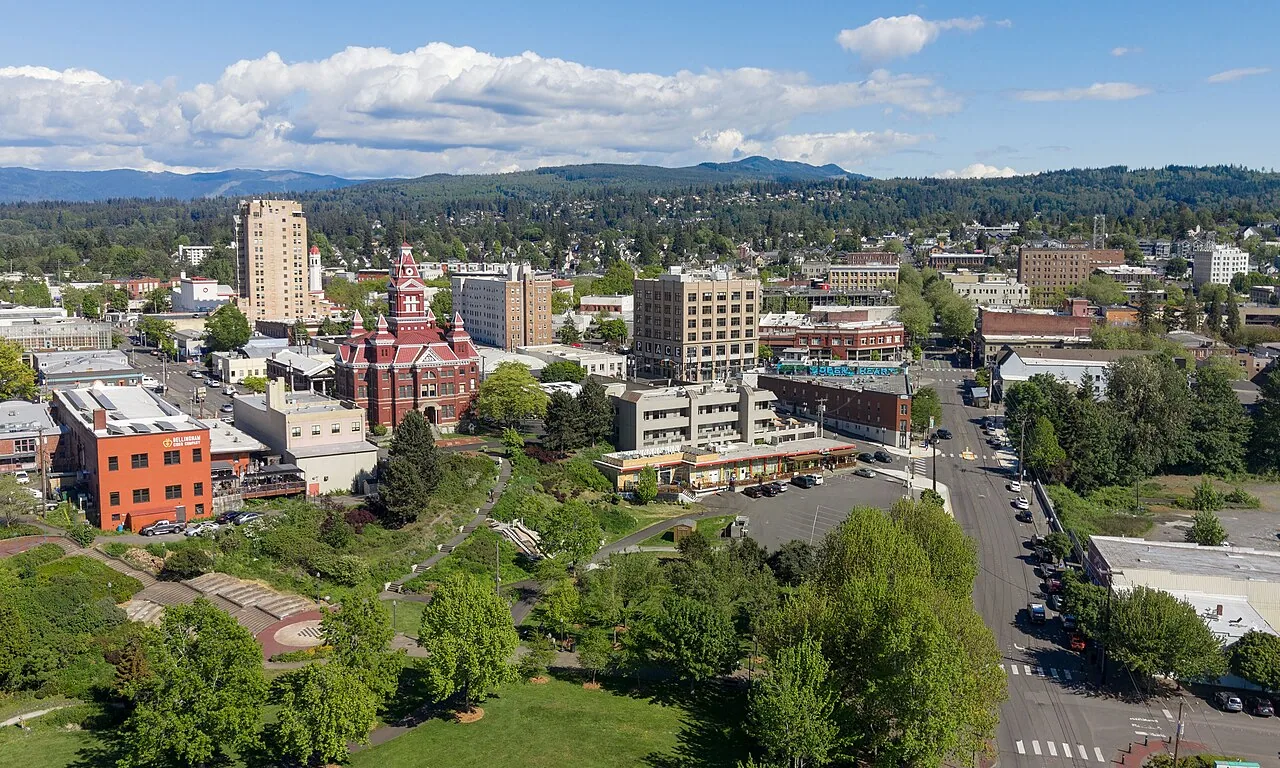
Where a shop floor runs precision work, a roof leak is a production stop. Sedro-Woolley, WA had 12,421 residents in 2020, with SR 9 and SR 20 running concurrently around its center. Employers include Janicki Industries, Sedron Technologies, PeaceHealth United General Medical Center and the SWIFT Center, and robotics and aerospace industry has developed north of town and on the old Northern State Hospital campus.
That mix points to industrial shops, technical buildings and healthcare roofs. The roof over a clean production space or a clinic has needs of its own, and we plan the work around the operation below it.
Overview
Sedro-Woolley
Roofs over production space
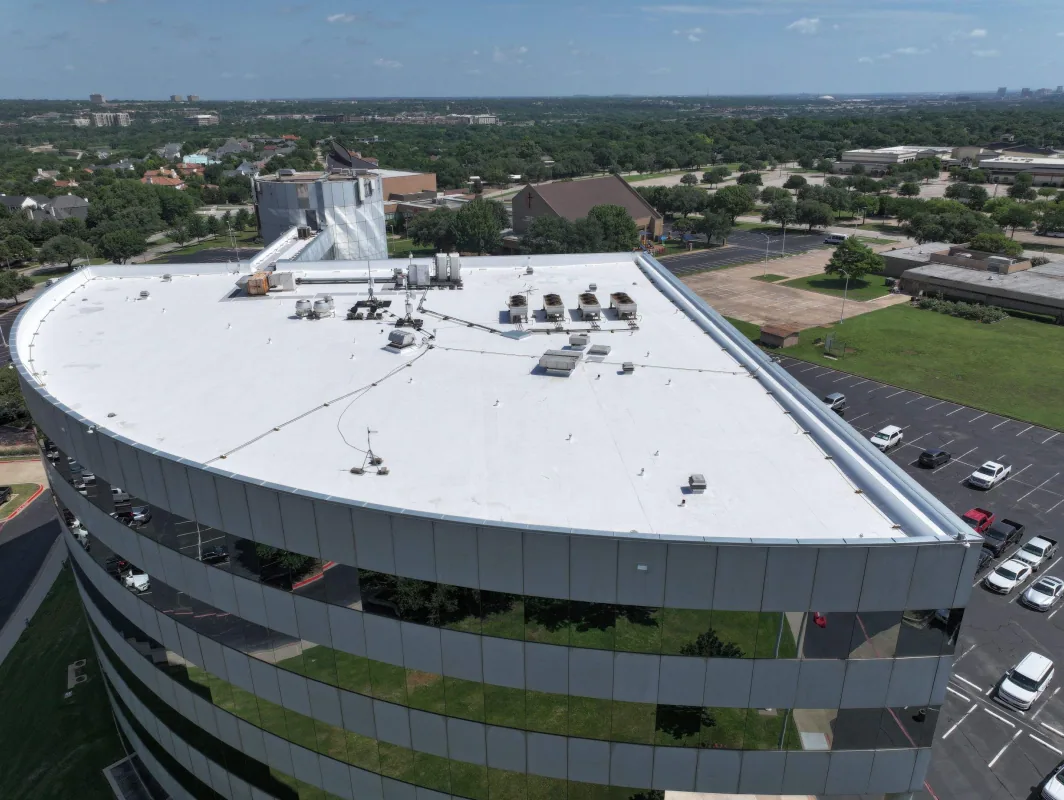
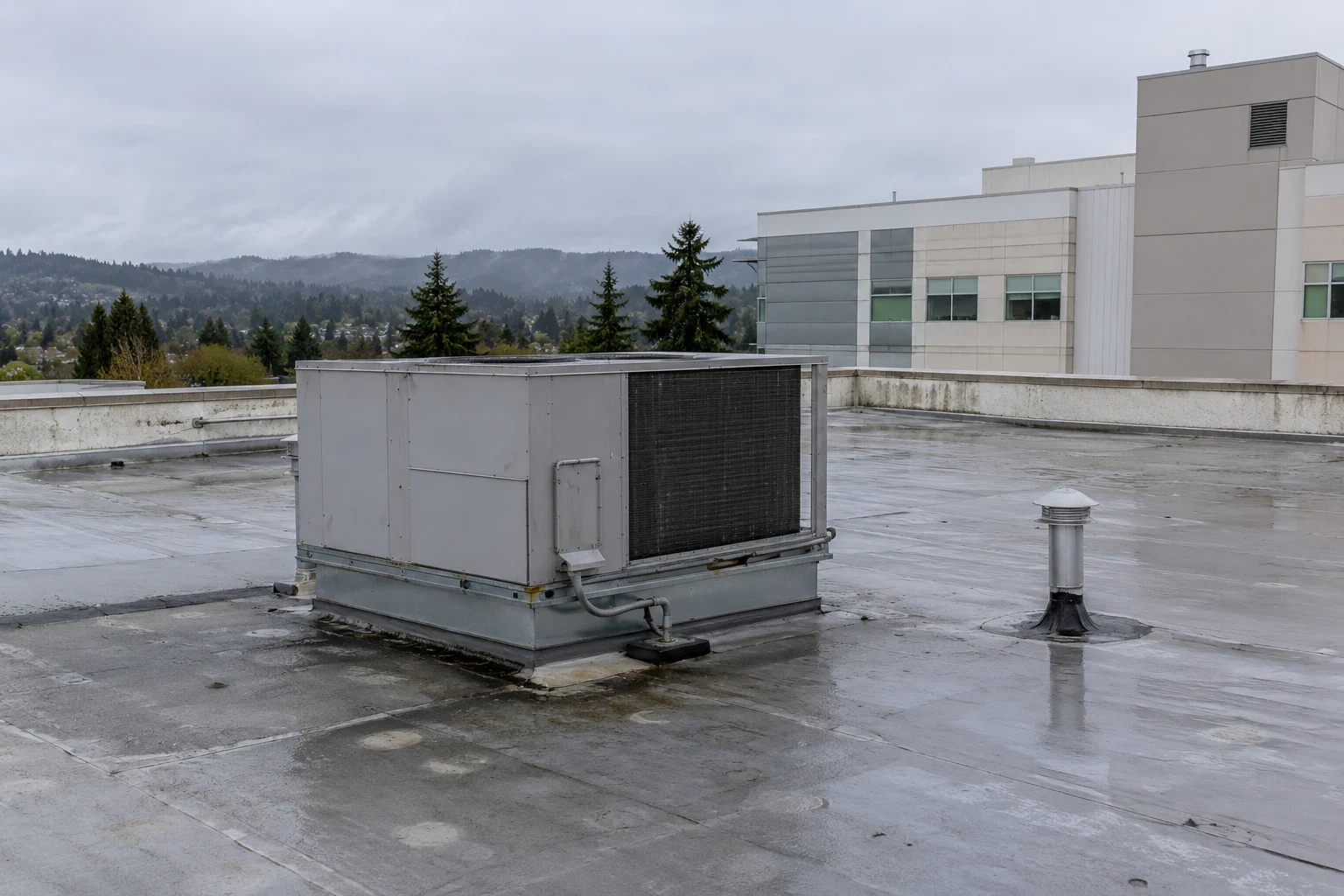
Industrial and technical buildings often have wide spans, rooftop air handling and process exhaust. A roof over that kind of space carries equipment curbs, pipe penetrations and sometimes chemical vapor. Each one is a place a leak can start.
On a first walk we count penetrations and look at each. We check curb flashing, boot condition and sealant. We note which exhausts blow onto the membrane, since grease and chemicals shorten the life of some sheets. Where exposure is heavy, PVC holds up better than most sheets.
Water inside a production building costs more than the repair. A leak over equipment, tooling or a clean area stops work. We rank leak risks above cosmetic items on the list and recommend fixes before the wet season.
Large spans have their own concerns. Long roof decks flex and move with temperature, and seams and flashings take the strain. Expansion joints, wall terminations and curb bases need extra attention. A rigid detail that works on a short run can crack on a long one.
Cleanliness matters for technical production. Debris from a roofing job must not fall into the building or the air system. We seal ceiling gaps where reachable, protect intakes and clean as we go. Daily sweeps keep grit from migrating into drains.
Healthcare roofs and shutdown windows
A hospital roof has a different clock. Air handling runs all day. Infection control rules govern dust and fumes. Work near sensitive space needs a plan the facility team writes and approves.
We schedule loud, dusty and smelly work for the windows the facility allows. Air intakes within reach are sealed or covered. Adhesive pours move away from intakes. Staging keeps access routes clear for staff, patients and emergency vehicles.
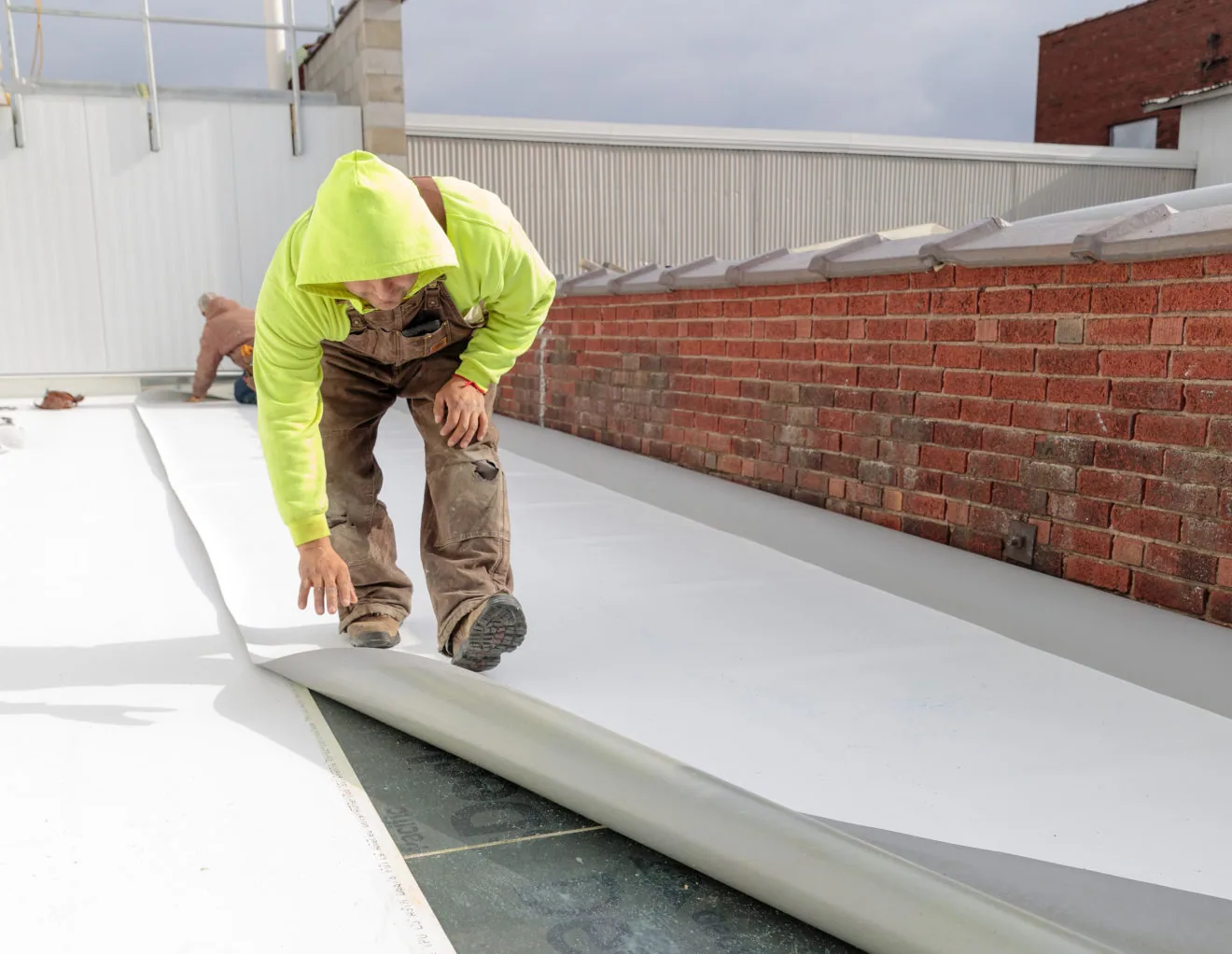
For work on a live building, an occupied building reroof runs in strips, each closed and dry before the crew leaves. Roofs near healthcare space get that care. Our hospital roofing approach carries the same sequence.
Noise is a patient issue too. Fastener driving and tear-off carry through a deck. The facility team tells us which areas need quiet and when. We shift loud work to hours the building allows and use methods that cut noise where we can, such as adhered sheets in place of fastened ones.
Emergency access stays open: ambulance routes, fire lanes and sprinkler connections remain clear each shift, and the facility manager and the fire marshal see the staging plan before any truck arrives.
A district of mixed buildings
North of town and on the old Northern State Hospital campus, industry has developed in buildings of varied age and use. Older buildings on a former institutional campus may carry roofs of several generations. An older building often has layered roofs, past repairs and uncertain flashing. A core sample tells us the layers. A moisture survey shows where insulation has wet. Drawings, if they exist, give the original design, and the walk shows what changed.
The result is a condition report with photos and a ranked list. The owner sees what to repair now, what to schedule and what to plan for. For adaptive reuse, that list supports the project budget.
Reuse of older buildings brings code questions. Washington adopted the 2021 IEBC statewide on March 15, 2024, and a change of use or a roof replacement may trigger upgrades. The design team confirms what applies. Our job is to flag roof-related items early, such as insulation thickness, fastening and drainage, so the budget carries them.
Roads and access
SR 9 and SR 20 meet around the center of town, and the highways carry trucks and commuters. Roof access at a building beside a busy highway needs traffic planning. A crane or lift may need a lane closure or a staging area off the road.
We confirm staging before the crew arrives. Deliveries are timed to the dry-in plan, since a late truck can cost a morning and a morning can cost a day in the wet season.
Where more than one site is in play, we run them as a route. Burlington and Mount Vernon sit on the same corridors, and grouping work cuts travel and mobilization costs.
Robotics and aerospace work may involve secured or sensitive areas. Where a site has access rules, crews follow them: badges, escorts, tool logs and restricted zones. Those rules add time on the first day and each day after. We ask in the first call and carry the time on the schedule.
Weather and the calendar
The market city, Bellingham, gets about 34.8 inches of rain in a year and roughly 1,866 sunlit hours. Skagit County has weather of its own, so the schedule carries float. Installs belong in summer, because welded seams, adhesives and coatings need dry surfaces, and fall work means smaller strips and temporary seals. Long industrial edges catch wind first. Bellingham's wind record runs from 67 mph gusts in March 2016 to the easterlies of the November 2024 bomb cyclone in Sudden Valley, so coping, drip edge and gutters get checked on every walk and fastened at close spacing.
Moss and algae grow on damp flat areas. We clean them, treat the surface and check the membrane underneath. A moss line that returns every autumn marks a place where water lingers, and the fix is drainage, not another wash.
What drives the number
Roof system and condition set the base. Penetration count, curb work and edge metal add lines. Operating constraints, such as shutdown windows and air-intake protection, add more. The calendar changes the rest.
A replacement follows the energy code in force. A new roof follows the state energy code's insulation levels, effective since mid-March 2024, and thicker insulation raises every curb and wall flashing, so the estimate carries those heights.
A multi-site program lets an owner with several buildings spread fixed costs under one standard and one schedule.
Commercial Roofing Questions
How do you keep a production floor dry during roof work?
By opening only what we can close the same day and sealing every edge before the crew leaves. The facility team marks sensitive areas, and we stage the work to stay clear of them.
What if exhaust is hitting the membrane?
We identify what vents and where, then choose a sheet that resists it. Walk pads and splash guards protect the worst spots. The exhaust list goes on the bid.
Can an old campus building be assessed without drawings?
Yes. Cores, scans and a walk tell us the layers and the moisture. Drawings help but the roof itself gives the facts.
Who approves infection control for roof work?
The facility team writes the rules and signs off on the plan. We follow them, including intake sealing and pour timing.
Can sites in Burlington and Mount Vernon share a schedule?
Yes, when they sit on the same corridor. We run one crew route and one set of mobilization costs across the group.
Send the roof plan and the shutdown windows
Send the roof plan, the operating calendar and any past leak notes. We will price the walk, the repairs and the protection as separate lines before the bid closes.