Naval Facility Roofing in Bellingham, WA
Naval facility roofing near Bellingham, WA: base access and badging, UFC roofing criteria, flight-line scheduling and coastal wind detailing as bid lines.
Naval Facility Roofing in Bellingham, WA
Naval facility roofing near Bellingham, WA: base access and badging, UFC roofing criteria, flight-line scheduling and coastal wind detailing as bid lines.
Property Types We Roof
Naval Facility Roofing in Bellingham
A badge office sets the first day of work. Before a crew touches a roof on a naval installation, every worker needs access, every truck needs a pass and every tool bag needs a look at the gate. Roofing on a Navy facility near Bellingham, WA, such as Naval Air Station Whidbey Island at Ault Field, about 29 miles south-southwest across Skagit Bay and Whidbey Island near Oak Harbor, begins with paperwork and ends with a punch walk.
The roof itself is familiar. The schedule is not. Access days, escort hours and mission calendars all go on the bid as lines. The installation's roofing criteria go on the submittal list. We price what the base asks for and show it apart from the field.
Overview
Naval Facility Roofing
Access comes before steel
Every installation runs its own access process. Gate checks, vehicle inspections, escorts and restricted areas. A new worker may need days to clear. A material truck may need a scheduled slot. An escort may be assigned by the hour.
We ask four questions in the bid phase. Who clears the crew, and how long does it take? Where does a truck stage? When does the escort start and stop? Which areas are off-limits? The answers decide the number of working days, and the working days decide the price. Escort hours and gate delays appear as their own bid lines. A general contractor can then compare them against the contract duration.
A bid for this kind of work describes how the job is planned: crew list lead time, staging, escort hours and testing. Those items are what a contracting officer can compare.
Material handling follows the same logic. A delivery that arrives early waits at the gate, and a delivery that arrives late misses its escort. We schedule trucks against the escort calendar and tell the supplier the slot. Crane operators and riggers clear the same way as roofers.
The criteria go in the submittal
Navy roofing specs commonly cite the Unified Facilities Criteria for roofing. The UFC sets requirements for system selection, wind uplift, insulation, drainage and testing. A spec that cites it usually asks for specific membrane types, fastening patterns and quality-control steps.
We read the spec against the UFC section it cites. Where a detail is unclear, we raise a question before bid day. Submittals follow: product data, shop drawings for metal, test reports and the installer's quality plan. A reviewer on a federal job reads every page. A missing wind rating or an unlisted fastener stalls the order. We assemble the package early and check it item by item.
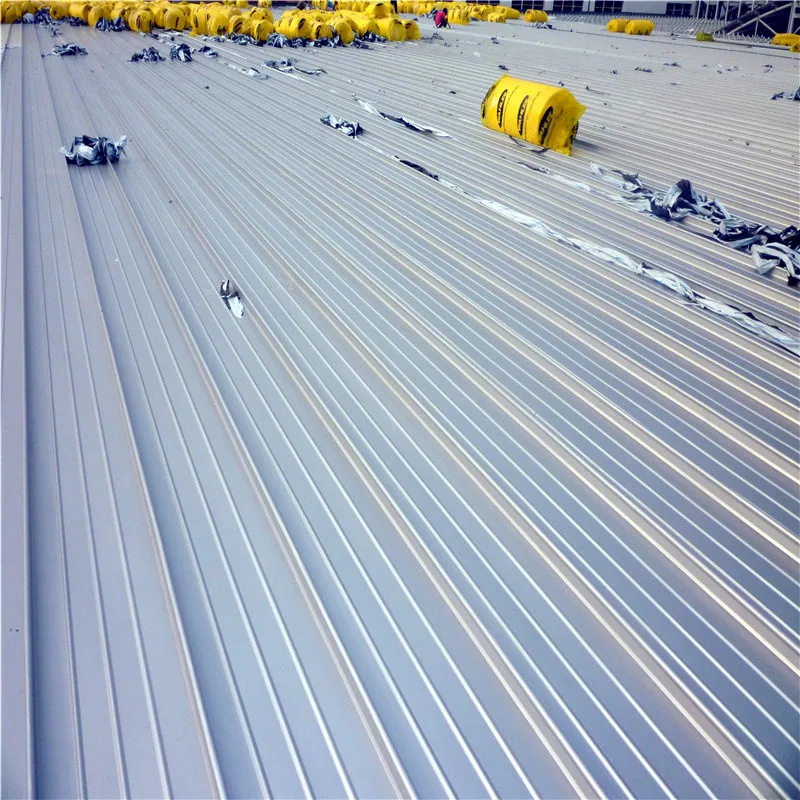
For wind and metal details, a standing seam metal system or a heavy-duty single-ply with a tested attachment pattern often fits the criteria. The spec decides.
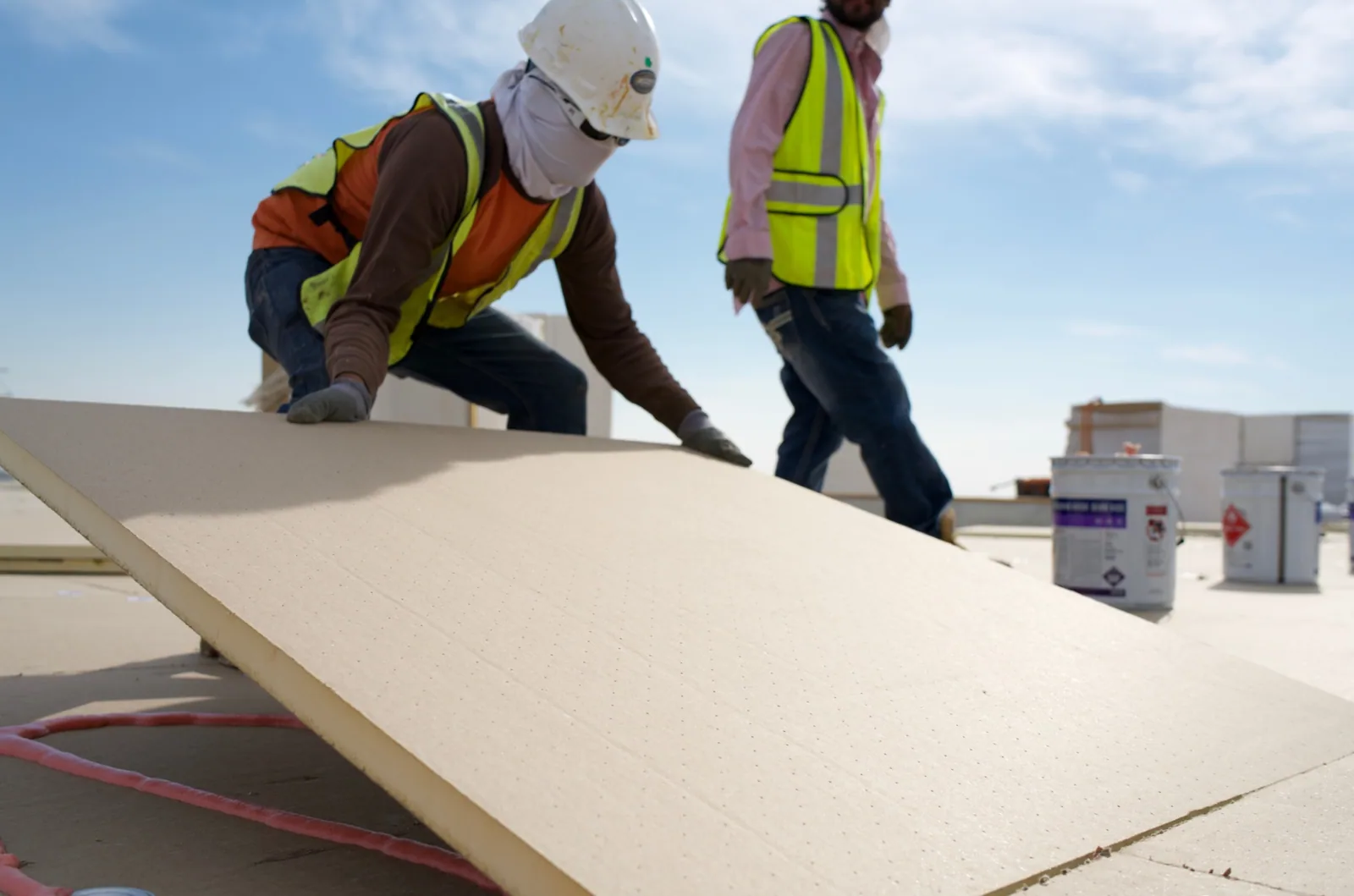
Insulation and cover board follow the same rule. The UFC and the energy code both reach the roof assembly, so we price insulation and cover board to the thicker requirement and show the lower option as an alternate. A reviewer can then judge the premium for the thicker assembly against the lower option.
Flight line, housing and commissary
Ault Field is the station's main flying field, with two 8,000-foot runways for EA-18G Growler, P-8 Poseidon and MH-60S aircraft, and more than 50 tenant commands work on the station. The Seaplane Base holds most of the island's Navy housing, plus the Navy Exchange and commissary. Those are different buildings with different roofs.
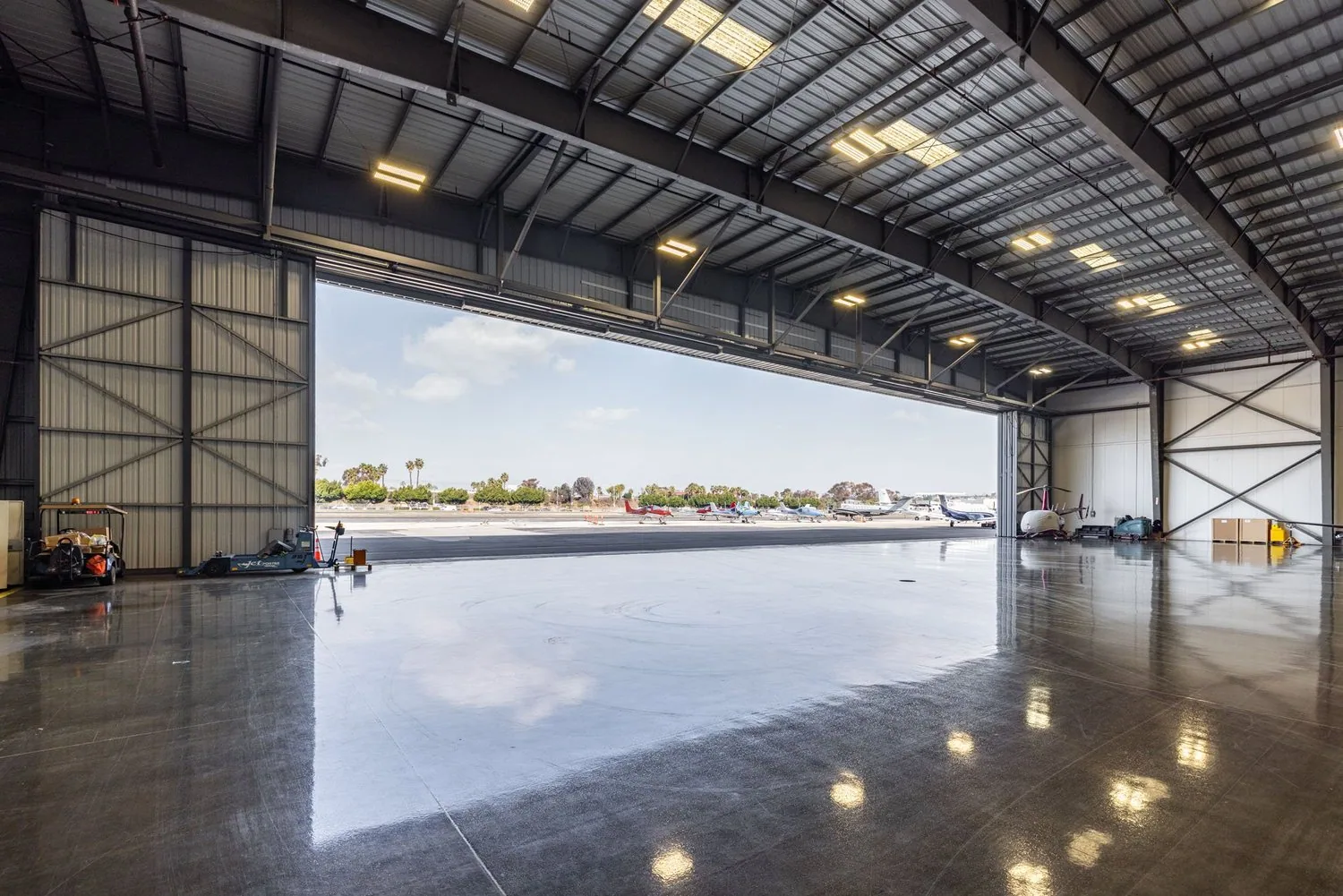
Hangars and maintenance bays have long spans and large doors. Housing has pitched roofs and many repeating units. A commissary or exchange is a big, low-slope retail box. Each follows its own rules, as in aircraft hangar roofing and military hangar and maintenance facility roofing. We price each building type apart so the base can sequence them by priority.
Housing roofs repeat. One unit's flashing detail is every unit's flashing detail, and a fix proven on one row can run down the street. We price a pilot unit first, then the rest at the same unit rate. The base gets a number it can multiply.
Mission hours rule the calendar
Flight operations create noise, restricted airspace and no-lift zones. A crane near a runway line needs approval. A lift may be blocked on flying days. The base may close an area without notice for a mission.
So we build float into the schedule. Standby days, weather days and mission days all sit on the calendar. The bid shows how many we carried. If the base closes a work area for two days, the contract should say who pays. We write that clause into the schedule notes and leave it for the contracting officer to settle.
Noise rules apply to the crew too. Pneumatic tools and generators can be restricted near sensitive operations. We ask for the rules in writing and price quieter methods where needed, such as hand-set fasteners or electric tools.
Coastal wind and the wet season
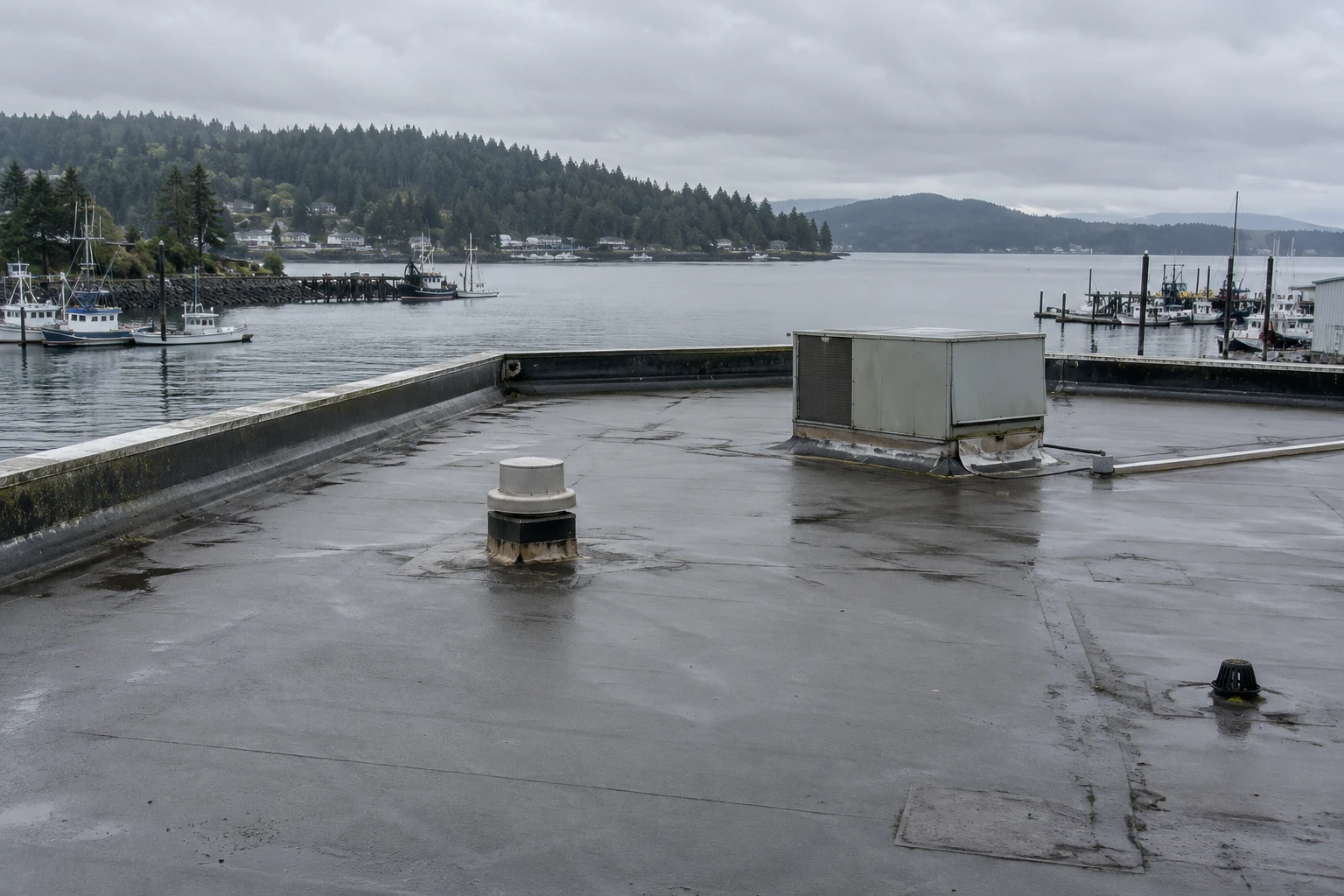
Island and bay sites take wind. Bellingham took 67 mph gusts in March 2016, and in November 2024 a bomb cyclone swept easterly winds across the region, leaving at least 16 Sudden Valley homes damaged. A maritime setting also brings salt air. Blaine, on the border, gets about 42 inches of precipitation a year and has salt-air exposure on its waterfront, and a roof near the water faces the same corrosion on fasteners and metal. Waterfront buildings in Blaine show the pattern.
We specify corrosion-resistant fasteners and coated metal for coastal exposure. Perimeter fastening goes on every bid. The wet season runs long. Bellingham gets about 34.8 inches of rain a year. We aim to close terminations in the summer and carry standby crew for any open area. A bay left open in a November storm is a bad week for everyone, and a bay on a flight-line building cannot sit open overnight.
Quality control and closeout
Federal jobs run on inspection, and the quality plan names who checks what and when: seam probes, attachment pull tests, daily logs and photos before each area closes. We keep the logs and hand them over at closeout.
A final walk with the base representative checks flashing, drains and sealants. Warranty paperwork and manufacturer letters follow. Send the spec, the drawings and the base access rules, and we will price each termination, access day and metal line before the bid closes. A military installation job has the same structure at larger scale, and a Coast Guard station job follows a similar path on the water.
Records last longer than the job. A federal facility keeps roof files for decades. We hand over a clean set: as-built roof plan, drain and curb schedule, fastener pattern, and the photo log by date and bay.
Commercial Roofing Questions
How does base access change the price?
Clearance time, escort hours and gate delays add working days. Those days appear as separate bid lines.
What does the Unified Facilities Criteria require?
System selection, wind uplift, insulation, drainage and testing steps. The spec cites the sections that apply.
Can a crane work near the flight line?
Only with base approval and on non-flying days. We ask early and carry standby time.
Who handles base paperwork for the crew?
The roofing team submits worker names, vehicle details and tool lists to the base office, and the bid carries the clearance wait as a line.
What if the base closes the work area?
The schedule carries standby days. Who pays for extra closures is settled in the contract notes.
Send the spec, drawings and access rules
Send the roof spec, the drawings and the base access rules. We will price every termination, access day and metal line before the bid closes, so the contracting team decides what stays in.