Coast Guard Station Roofing in Bellingham, WA
Coast Guard station roofing in Bellingham, WA: salt-air fasteners, boathouse and station roofs, watch-schedule phasing and harbor wind detailing.
Coast Guard Station Roofing in Bellingham, WA
Coast Guard station roofing in Bellingham, WA: salt-air fasteners, boathouse and station roofs, watch-schedule phasing and harbor wind detailing.
Property Types We Roof
Coast Guard Station Roofing in Bellingham
A boathouse roof sheds salt along with rain. Salt air eats fasteners from the outside in. A Coast Guard station roof in Bellingham, WA sits at the harbor, where wind, spray and a long wet season all arrive at once. The bid has to price corrosion resistance, wind edges and a crew that works around a station that never closes.
Coast Guard Station Bellingham stands at Squalicum Harbor on Coast Guard-owned land at the Port of Bellingham. It was commissioned July 9, 1999 and houses up to 48 people. Two buildings make up the site: a station building of 10,600 square feet and a covered boathouse of 2,500 square feet. A roof over people who sleep, train and launch boats on call is a scheduling job with a membrane attached.
Overview
Coast Guard Station Roofing
Salt air eats the hardware
Harbor air carries salt. Salt settles on metal and speeds rust. Blaine, up the coast, gets about 42 inches of precipitation a year in a maritime climate with salt-air exposure on its waterfront. Semiahmoo Spit is waterfront too, exposed to salt air and wind. The same pattern holds at Squalicum Harbor.
We specify fasteners and metal for the exposure. Stainless or coated screws. Aluminum or coated steel trim. Sealants rated for marine air. A bare galvanized screw in a harbor roof starts to stain in a season and fail in a few. Hardware is a small part of the price and a large part of the life.
On a first visit we look for rust bleed at fasteners, white corrosion on aluminum and chalking on painted metal. We record each one and give the owner a count.
Drains and scuppers suffer too. Salt crust, bird debris and harbor grit build up in sumps. A clogged scupper on a metal roof overflows at the eave and stains the wall. We clear them on every visit and record the date.
Station building and boathouse
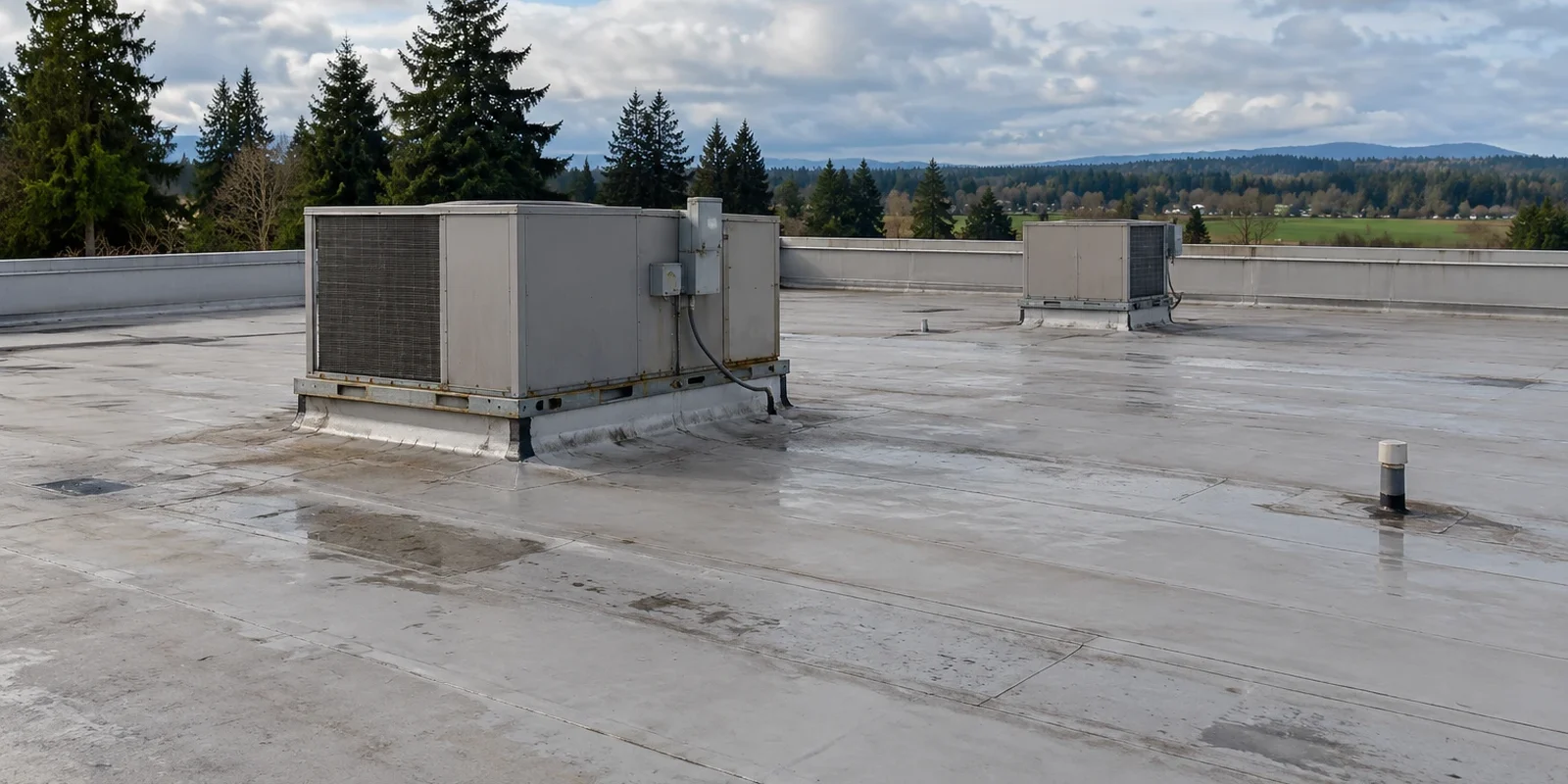
A station building and a covered boathouse have different roofs. The station building houses people around the clock, so its roof matters to everyone under it. Mechanical units, vents and mounts sit on roofs like this one. The boathouse is a covered structure at the water. Its roof takes wind from the bay and sheds water over a working area.
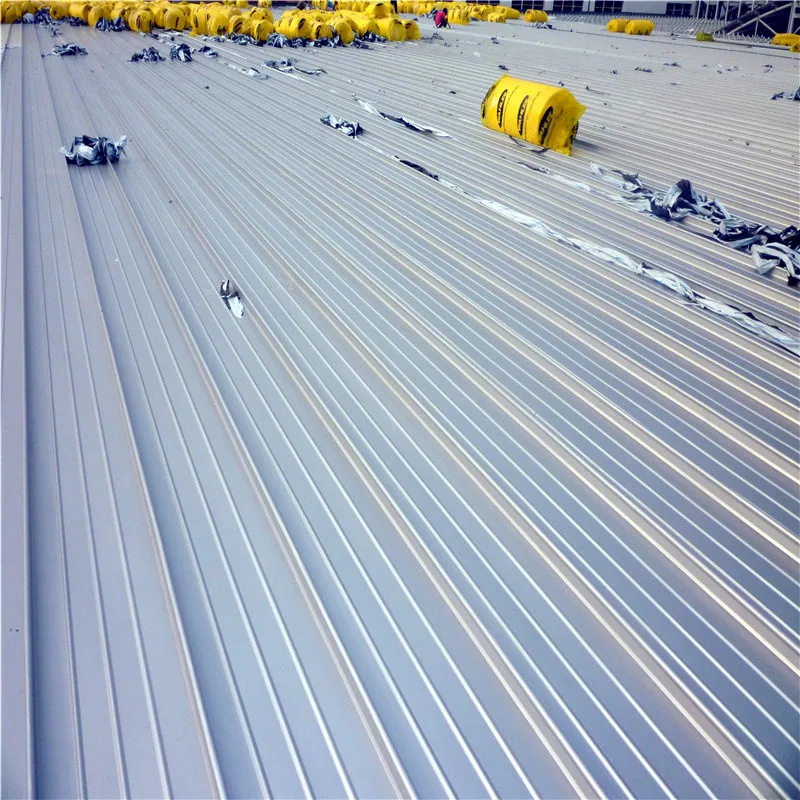
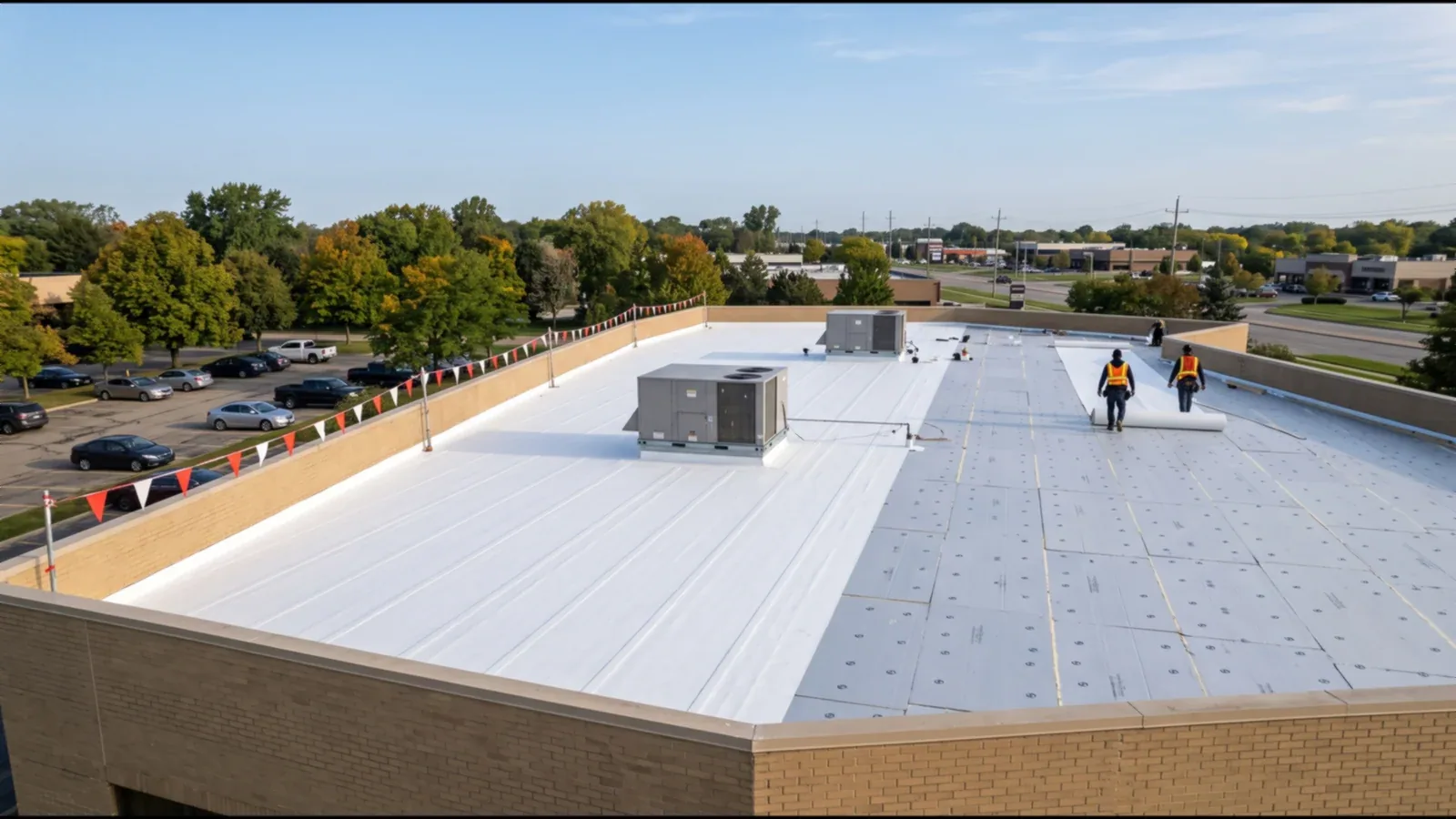
We survey each roof separately. The station building gets curb and penetration checks. The boathouse gets edge and fastener checks, and a close look at the eave that faces the water. A standing seam metal roof is a common fit for a boathouse because it sheds water, hides fasteners and lasts. A single-ply roof with welded seams suits the flat sections.
Any equipment on the roof, such as antennas or mounts, adds penetrations. Each one needs a boot or a curb and a counterflashing. We list them all.
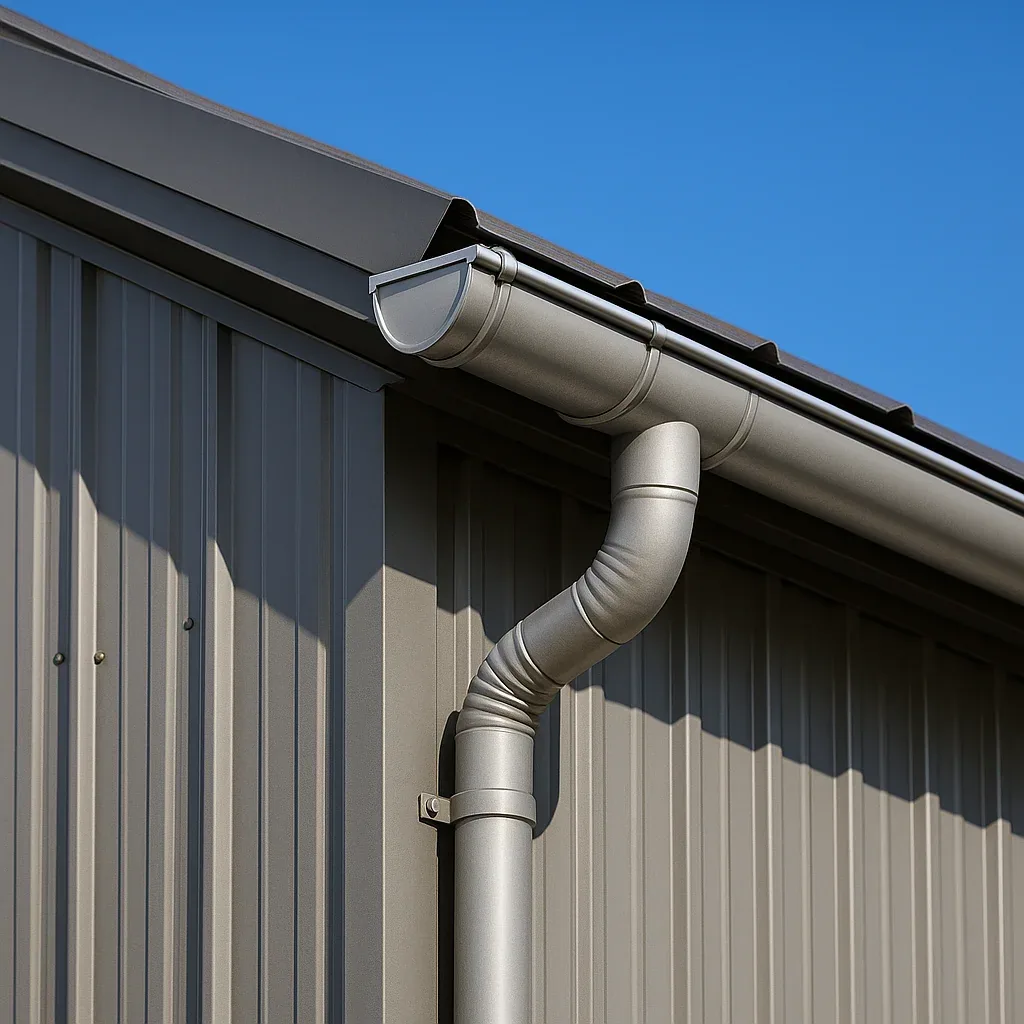
Gutters and downspouts at a boathouse discharge near people and boats. We route them away from walkways and the ramp, and we check that the downspout shoe does not wash the apron. Ice is rare in a maritime climate, but Bellingham still sees roughly 10 inches of snow a year, mostly December through February, and a cold snap with wind can freeze a slow drain.
The watch never ends
A station keeps crews on call. People sleep in the building. Boats launch on short notice. The roof job must not block a launch or wake a crew coming off watch. Noise windows and quiet hours go into the schedule. We ask the station staff for the watch rotation and the training days.
Work moves in sections. A section opens in the morning and closes in the afternoon. Tarps and standby crew cover the weather days. We never leave an open roof over berthing or the watch room overnight. Staging stays off the boat ramp and the apron. If a launch needs the lane, the crane waits.
The long wet season matters. About 34.8 inches of rain a year falls on Bellingham, November being the wettest month, and the sun shows up for only about 1,866 hours. We schedule terminations for summer, when July runs driest, so the station is dry before fall.
Dust and fumes get the same care. Adhesives and solvents stay clear of air intakes, and we schedule smelly operations when the station reports the fewest people sleeping. A crew coming off a night watch should not wake to a torch.
Security and access are bid lines
A federal waterfront site controls who comes and goes. Crew lists, vehicle passes, escorts and tool checks all take time. We confirm the process in the bid phase and add the hours to the schedule. A late pass can cost a day. A delivery without an escort waits at the gate.
Roofing on a Coast Guard property can follow federal criteria, including the Unified Facilities Criteria for roofing. The spec says which. We read it against the drawings and raise questions before bid day. The same access discipline applies as on any military installation, with a smaller footprint and a tighter schedule.
Staging gets its own plan. Pallets cannot block the boat ramp, the fuel point or the emergency lane. A crane on a harbor lot needs ground that holds and a swing radius clear of the water and overhead lines. We walk the site with the station staff before we set a number, and we mark the staging area on the plan.
Harbor wind finds the edge
Gusts of 67 mph hit Bellingham in March 2016. The November 2024 bomb cyclone followed, and its easterly winds damaged at least 16 homes in Sudden Valley. A harbor building has little to break the wind. Edge metal and perimeter fastening take the load.
We inspect the edge metal, coping and gutters on every roof. Fasteners get counted and spaced to the wind zone. Perimeter fastening goes on the bid as its own line. The Marine Drive and Squalicum waterfront holds a marina with over 1,400 boats and the Port's industrial park, and every roof there takes the same wind. A station roof with a loose edge is a falling hazard over a launch lane.
Closeout and the record
At the end we walk the roofs with the station representative. Fasteners are tight. Sealant is tooled. Drains flow. Boots and curbs are sealed. We hand over photos by date and area, the fastener schedule and the warranty papers.
Moss and algae grow fast in Bellingham's low-sun climate, so a yearly visit clears them before they hold water against the surface. Send the spec, the drawings and the access rules. We will price every termination, access day and metal line before the bid closes. A naval facility runs the same logic at larger scale, and a government building carries the same access discipline.
The station is small and the record is short, which makes it easy to keep current. One binder. One plan. One list of drains, curbs and mounts with a date beside each.
Commercial Roofing Questions
Which fasteners suit a harbor roof?
Stainless or coated screws with marine-rated sealant. Bare galvanized hardware starts to rust within a season.
Can the station stay in operation during a reroof?
Yes. We work in sections, keep the launch lane clear and never leave berthing or the watch room open overnight.
How do access rules change the price?
Passes, escorts and tool checks add working days. Those hours appear as their own bid lines.
What is the most common failure at the harbor?
Corroded fasteners and loose edge metal. Wind and spray work on them together.
Which metal roof fits a boathouse?
Standing seam with coated panels and marine-rated clips. The spec and the wind zone set the details.
Send the spec, drawings and access rules
Send the roof spec, the drawings and the station access rules. We will price every termination, access day and metal line before the bid closes, so the contracting team decides what stays in.