Church Roofing in Bellingham, WA
Church roofing in Bellingham, WA: steeple and tower flashing, steep and low-slope sections, service-day scheduling and phased budgets as separate bid lines.
Church Roofing in Bellingham, WA
Church roofing in Bellingham, WA: steeple and tower flashing, steep and low-slope sections, service-day scheduling and phased budgets as separate bid lines.
Property Types We Roof
Church Roofing in Bellingham
A steeple base is a flashing problem with a lift bill attached. The tower is tall. The flashing is small. Reaching it takes scaffold, a boom or a rope crew, and that access cost lands on the bid before a single fastener goes in. A church roof in Bellingham, WA rarely fails in the middle of the field. It fails where the tower meets the nave, where the gutter meets the fascia and where the fellowship hall ties into the old sanctuary.
Churches also decide slowly. A building committee meets monthly. A congregation votes on large spending. Bid prices expire. We write the scope so the committee can read it in one sitting, see each line, and approve in stages if the budget needs.
Overview
Church Roofing
The tower carries the bid
We start at the highest point and work down. Steeple base, louver sills, cross flashing and cap. Each one gets a note and a photo. A chimney or tower with a failed counterflashing sends water behind the siding for years before a stain shows inside.
Access is the first bid line. A tall tower may need a lift, a scaffold or a rope-access crew. Scaffold has a rental clock. A lift needs firm ground and a clear approach. We price each option and tell the committee which one is cheaper for the work at hand. If the tower repair is the only reason to rent the equipment, we pair it with gutter and fascia work so the rental pays twice.
Louvers deserve a look. Wind-driven rain enters through a bell tower louver on a bad night, and a damp tower floor rots from the top. Screens and slope boards are cheap. Replacing a rotted floor is not.
One campus, three roofs
Most church properties mix roof types. The sanctuary is steep and tall. The fellowship hall is low-slope. A classroom wing may carry a hip roof with a flat insert. Each section ages at its own rate and needs its own fix.
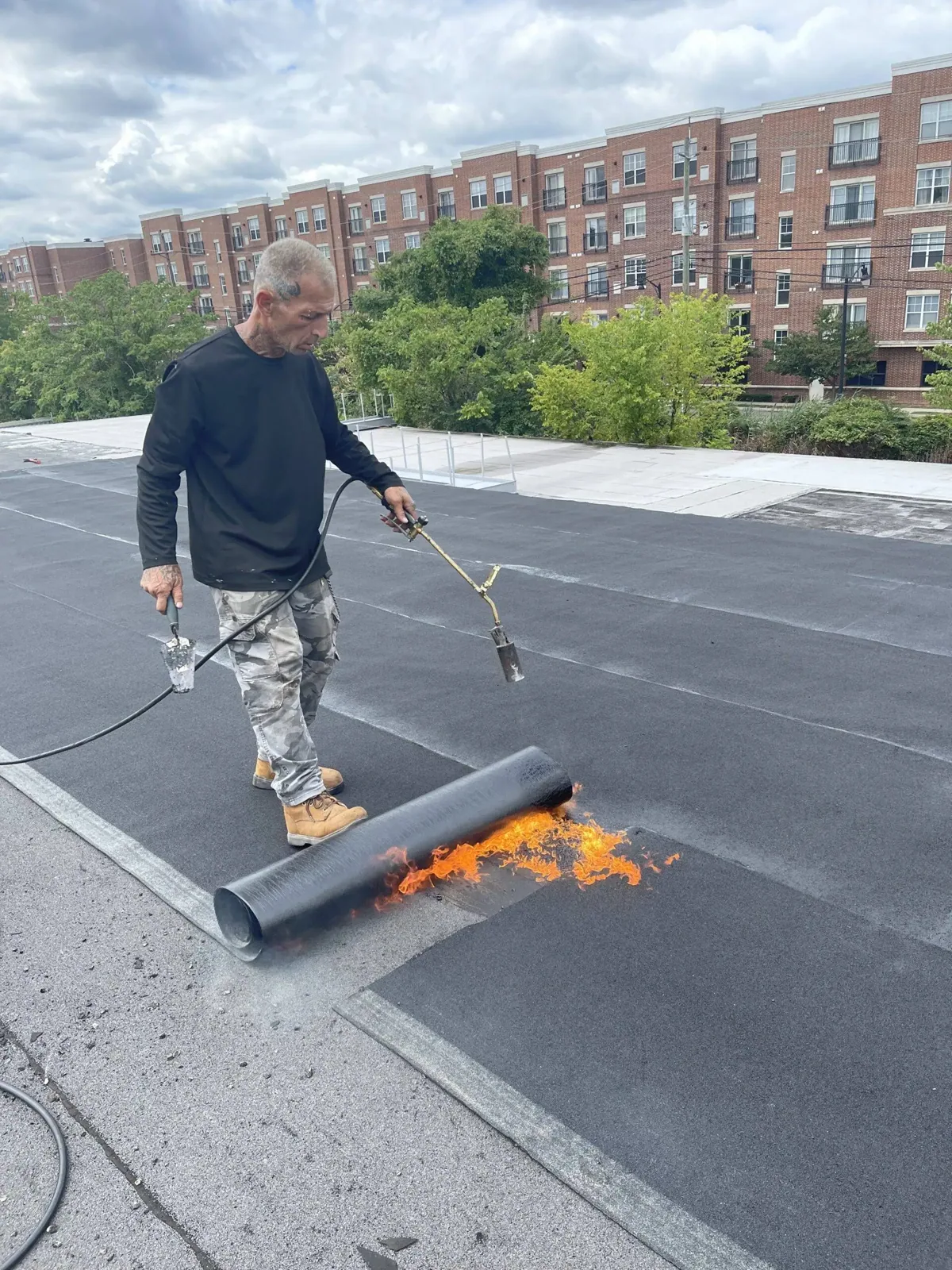
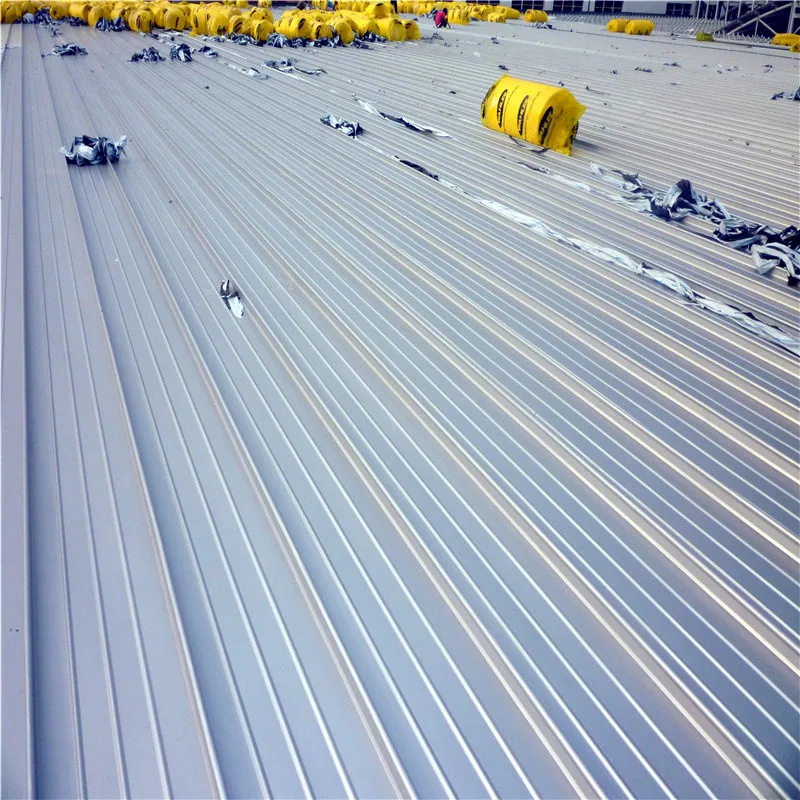
Low-slope sections get a membrane, usually modified bitumen or a single-ply sheet, with scuppers sized for Bellingham's long wet season. Steep sections often take metal. A standing seam metal roof sheds rain and snow, hides its fasteners and lasts. The panels are cut to length, so the schedule needs a lead time for the order. We note it on the calendar so the committee does not find out in June.
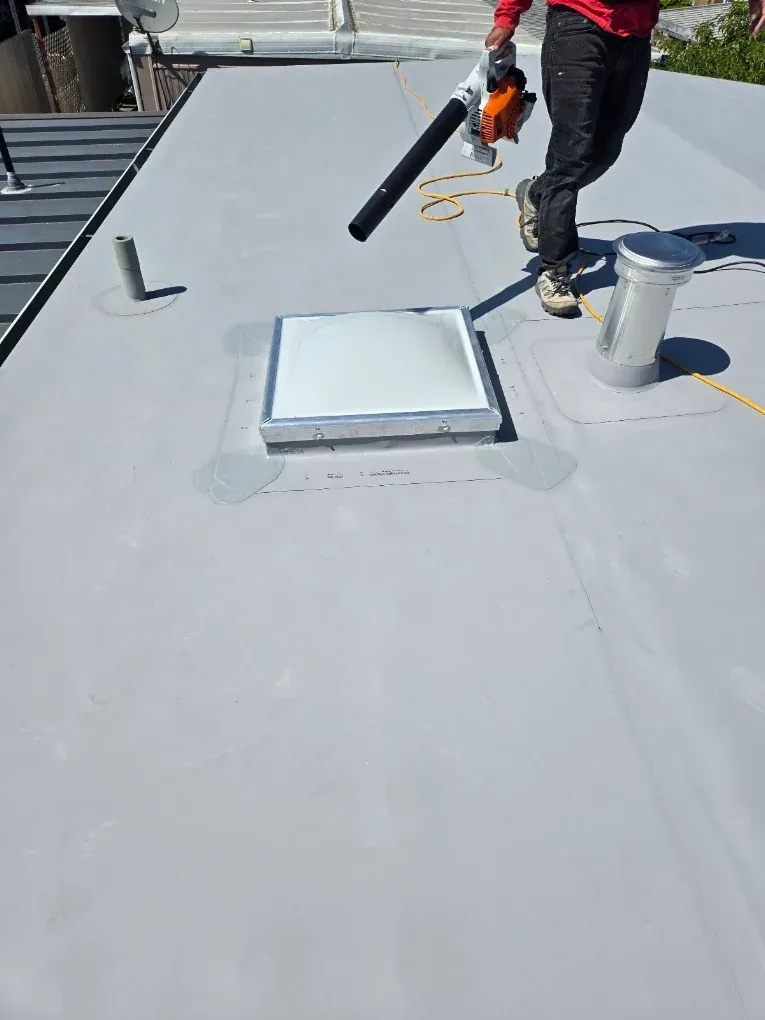
The joint where the two meet gets the most attention. A low roof tied into a tall wall needs base flashing at a workable height and a counterflashing set into a reglet. Where the old wall has no reglet, we cut one, and that cut is a masonry or siding line on the bid. A skylight over a stairwell or a stained-glass wall gets the same treatment, with skylight and penetration flashing priced as its own item.
Services set the calendar
No loud work on Sunday. No lift in the parking lot on a wedding Saturday. No tear-off during a funeral week. The church office knows these dates. We ask for them before the bid and mark the blocked days on the schedule.
Quiet hours matter in the sanctuary. A hammer on the roof sounds like thunder inside a high nave. We schedule noisy work for weekdays and keep the sanctuary section open only as long as the weather window allows. Weekday preschool or childcare programs add another set of dates. A crew that works around them finishes the same roof a few days later. Those days appear on the bid.
Fundraising has a calendar too. Pledge drives close in fall, and a bid that expires in October may expire before the money arrives. We hold pricing windows that match the committee's cycle where the material market allows, and we say plainly when it does not.
Moss, snow and the wet season
Bellingham takes roughly 34.8 inches of rain in a year under only about 1,866 hours of sun. Moss grows on shaded north slopes and in valleys where leaves collect. A moss line on a roof marks where water stays. It holds water against the surface, lifts shingles and clogs gutters.
Snow adds a second load. The city sees about 10 inches a year, mostly December through February. A steep metal roof sheds it onto walkways, so snow guards belong over doors and paths. Gutters and downspouts get sized for the thaw. We detail edge metal and gutters with those loads in mind.
Dry-in days are scarce from October through April. We aim to close every termination and flashing in summer, when July runs driest, so the tower and valleys are tight before fall.
Wind loads the high points
Tall roofs take wind first. Gusts of 67 mph in March 2016 hit Bellingham, and the November 2024 bomb cyclone drove easterly winds through the region. At least 16 homes in Sudden Valley took damage, and the South Whatcom Fire Authority logged 22 storm incidents. A ridge cap, a gable end or a tower trim that has loosened will move in that wind.
We check ridge fasteners, rake metal and gable trim. Perimeter fastening goes on the bid as its own item. A committee can then see what protection costs apart from the field of the roof.
Historic districts add review
Fairhaven is a National Register historic district on Bellingham Bay, and it carries 19th-century style rules for new buildings. A church in or near a historic area may face design review for visible roof changes. We confirm with the city what applies before we price, because a material change can add weeks to the permit. Where review applies, we match profiles, colors and trim to the original, and the bid shows the difference in cost.
Historic work also runs into hidden conditions. Old deck boards, skip sheathing and layered flashing show up once the roof is open. We carry a deck allowance and a unit price so the committee sees the exposure before the contract. In Fairhaven that review is the likelier case.
Phase it and close it out
A congregation can fund a roof in stages. We split the work into sanctuary, hall and tower, each priced separately, and order them by risk. The worst leak goes first. The committee sees the total and the first payment.
At the end we walk the roof with the facilities lead. Drains flow. Flashing is tight. Sealant is tooled. Photos go in the binder along with the manufacturer paperwork. Send the drawings, the roof spec and the dates the church cannot lose. We will mark every termination and metal line before the bid closes. A school roof or a municipal building runs on calendars just as fixed.
Commercial Roofing Questions
Can a church fund the roof in phases?
Yes. We price sanctuary, hall and tower as separate packages and order them by leak risk, so the committee funds the worst section first.
What does tower access cost?
Scaffold, lift or rope access each have a different rental clock. The bid names the cheapest method for the work and the days it needs.
Will construction interrupt services?
Not on Sunday. Loud work stays on weekdays, and blocked dates for weddings and funerals go on the calendar before the bid.
How long does a standing seam order take?
Panels are cut to length from the drawings, so the lead time starts at approval. We note the order date on the schedule.
Do snow guards belong on a church roof?
Over doors and walkways, yes. A sliding sheet of snow from a steep metal roof is a safety problem.
Send the drawings and the dates you cannot lose
Send the roof plan, the spec and the dates the church needs protected. We will price every termination and metal line before the bid closes, so the committee decides what stays in.