Government Building Roofing in Bellingham, WA
Government and municipal building roofing in Bellingham, WA: public bid dates, submittals, open-counter phasing, port and airport roofs, and storm-ready edges.
Government Building Roofing in Bellingham, WA
Government and municipal building roofing in Bellingham, WA: public bid dates, submittals, open-counter phasing, port and airport roofs, and storm-ready edges.
Property Types We Roof
Government Building Roofing in Bellingham
A public roof bid closes on a fixed day. Everything else bends around that date. The bond, the wage paperwork, the submittal list and the metal order all trace back to it. A government building roof in Bellingham, WA is priced like a private roof and run like a calendar. Miss one document and the bid is out.
We write public bids line by line. Base scope, alternates, unit prices and allowances sit on separate rows. A procurement officer can compare them against the engineer's estimate. A facilities manager can see what each alternate buys. A general contractor can drop the numbers into a larger package without rework.
Overview
Government Building Roofing
The bid date is the schedule
We work backward from bid day. Site visit. Questions deadline. Addendum review. Metal quotes. Final numbers. Each step has a date. A late addendum that changes the roof spec can move the price, so we read every one.
After award the clock starts again. Submittals first. Then material orders. Then the crew. A roof with custom edge metal and a long panel lead time cannot start on the day of notice to proceed. We state the realistic start date on the bid so the agency does not plan around a date that cannot hold. Bellingham's long wet season makes this worse. If the award lands in October, a summer-only detail slides to the next July. That is a cost to the agency, and we name it.
The site visit is where numbers are won or lost. We photograph the deck edges, count the drains, measure the parapet and note every curb. Existing conditions that the drawings miss become questions to the engineer before bid day, not claims after award. A question answered by addendum protects both sides. An assumption buried in an allowance protects nobody.
Submittals come before steel
A public job needs approved product data, shop drawings for metal, a color chip, a warranty form and a sample of the membrane. The engineer reviews each one. Review takes days. Resubmittals take more.
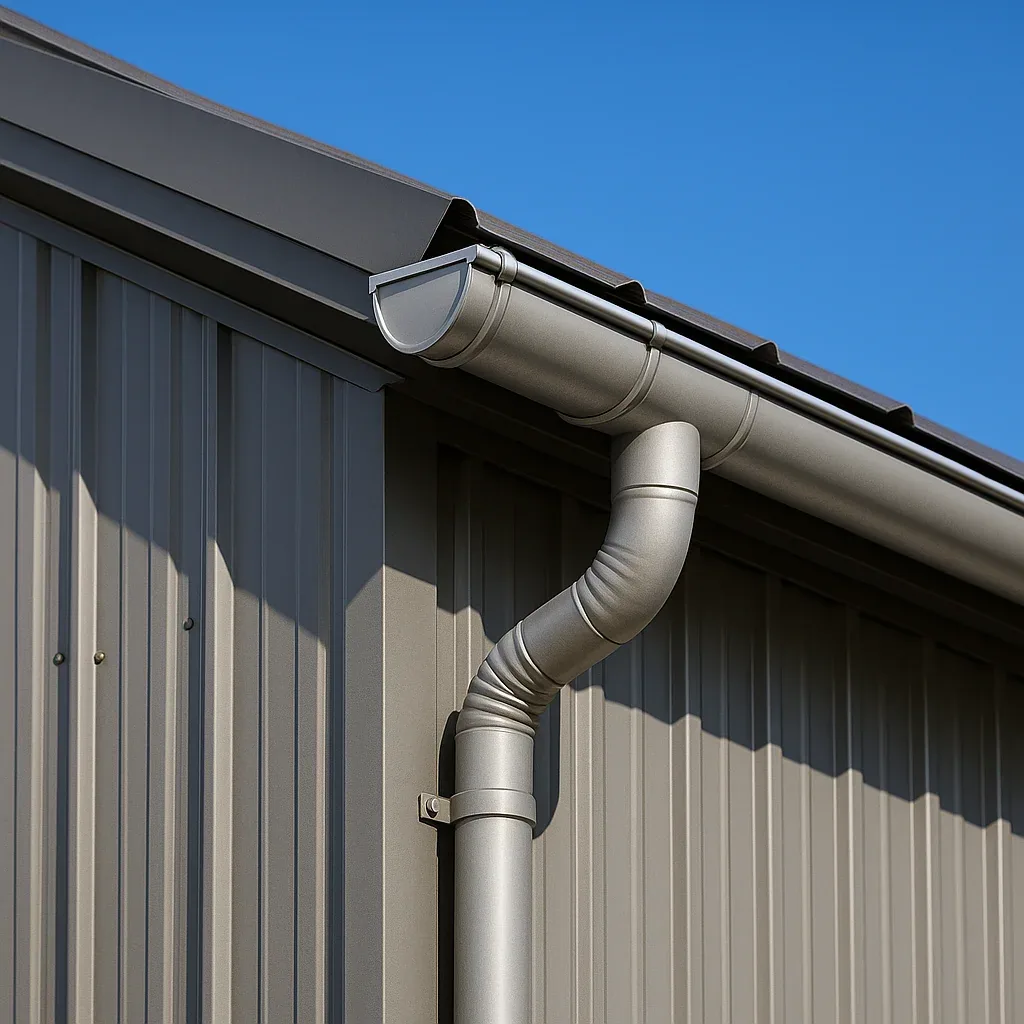
We assemble the package early and check it against the spec before it goes out. A missing wind-uplift rating or a wrong fastener stalls the order. For the edge metal, we draw every corner and every splice. The drawing shows the coping cap, gutter and drip edge in place, with the fastener spacing the wind zone calls for. The reviewer can approve it in one pass, and the fabricator can cut it without a call.
Samples matter more than they look. A color chip approved in the office can read differently on a gray November roof, and a sample board left on site in the rain tells the reviewer how the finish weathers. We bring both and keep the approval letter in the file.
The counter stays open
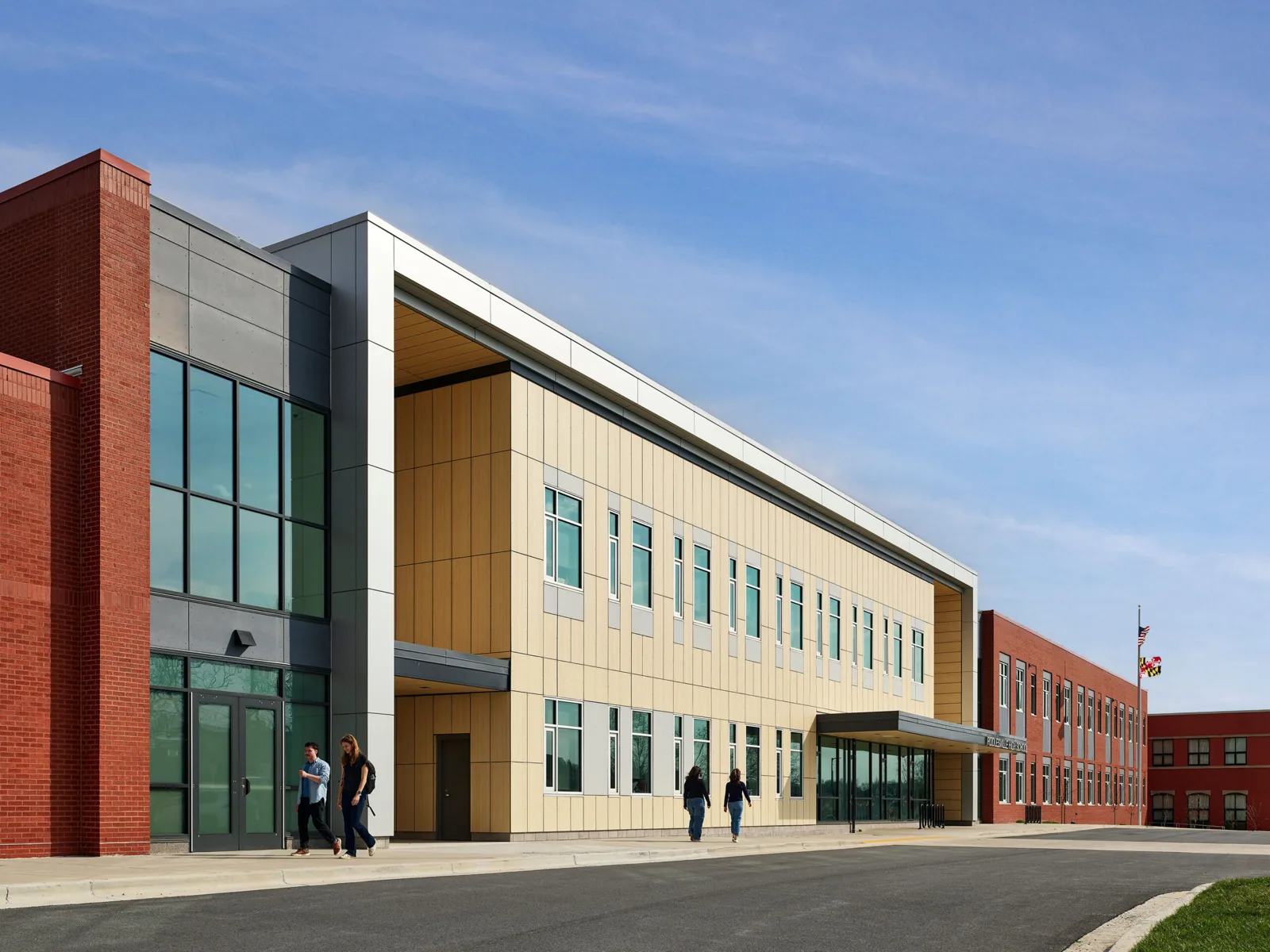
Most public buildings cannot close for a reroof. City offices, courts, libraries and service counters keep their hours. The City of Bellingham employs about 936 people, and the Bellingham School District about 1,423. Public workforces like those keep working while a roof comes off.
So the work is phased. A section opens in the morning and closes by afternoon. Noisy tear-off runs outside meeting times. Lift and crane staging avoids the public entrance and the accessible parking. We map the pedestrian route around the work area and put barriers on the plan. The agency's risk manager can review it in advance. For schools and campuses the same logic applies, with its own summer calendar, as in school roofing.
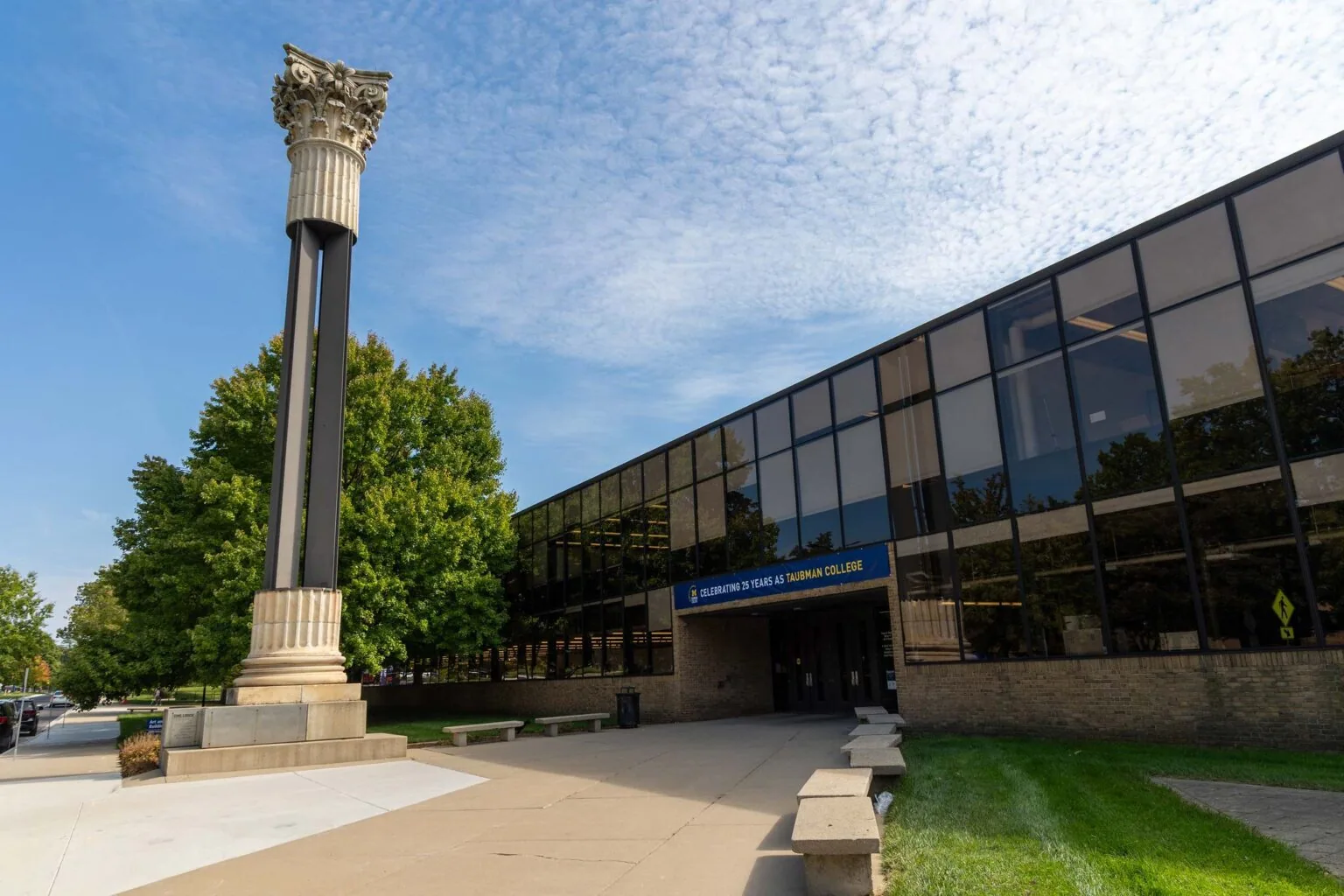
Public universities run the same way on a larger scale. Western Washington University employs about 2,060 people and enrolls more than 16,000 students, and its roofs share the habits of any college or university roof: summer windows, occupied labs and fixed move-in dates.
Port and airport roofs have their own rules
The Port of Bellingham owns the airport and runs four industrial and marine holdings: Marine Drive Industrial Park, the Bellingham Shipping Terminal, Airport Industrial Park and Fairhaven Marine and Industrial Park. The airport sits roughly three miles northwest of the city, and its terminal was expanded to about 104,000 square feet. Port and airport work adds access control. Gate passes, escorts and restricted areas affect where the crew parks and when material arrives.
Work in the Airport Industrial area runs under the Port's rules, and one roof package there may cross ownership lines between the Port and its tenants. We separate the bid lines by owner. Each owner sees its own cost.
Cranes and hoists near active airfield space may need height approval and lighting. We ask the port early. A crane lift that needs an extra permit moves the dry-in day, and the dry-in day is the one thing the crew cannot buy back in Bellingham's wet season.
Storm duty is part of the scope
Public buildings are the places people go after a storm. Wind of 67 mph in March 2016 stripped stucco off a Bellingham storefront. In November 2024 a bomb cyclone sent easterly winds through Sudden Valley, where at least 16 homes were damaged and South Whatcom Fire Authority crews logged 22 storm incidents. A roof that loses its edge in that wind closes the building.
We put perimeter fastening on every public bid. Corners and edges get a higher density of fasteners than the field. The line shows the cost apart from the membrane, and the agency can see what the wind zone buys. Drains and scuppers get a clearing visit before the wet season, and a routine commercial roof inspection in October catches the debris that a windy autumn leaves behind.
Public agencies that run several buildings can fold these checks into one annual visit and one report. The photographs from that visit become the baseline for any storm claim.
Code and closeout
A public reroof meets the 2021 building, existing-building, fire and energy codes, all in force statewide since March 15, 2024. Insulation can thicken, and a parapet may have to grow to keep the flashing legal. We show the code-driven items on their own lines with the reason attached.
Closeout on a public job is paperwork and a punch walk. As-built photos. Warranty forms. Manufacturer letters. Test records. We hand the facilities lead a binder and a roof plan with every drain and curb numbered. Send the drawings, the roof spec and the bid date, and we will price every termination before the bid closes. For downtown buildings, Downtown Bellingham access and street closures go on the schedule early.
Cover board and insulation choices matter on a public roof that has to hold up through audits. A durable board under the membrane protects the assembly from the maintenance traffic public buildings see. We price insulation and cover board options against the energy code minimum, so the agency can pick the long-term choice with the numbers in view.
Commercial Roofing Questions
Can alternates be priced separately on a public bid?
Yes. Base scope, each alternate and unit prices appear on their own lines so the agency can compare them with the estimate.
Why do submittals hold up the start date?
Metal and membrane orders wait on engineer approval. A complete first package shortens that wait.
How does a city office stay open during a reroof?
We phase the roof by section and close each section the same day. Noise and lift staging avoid the public entrance.
What extra access rules apply at the port or airport?
Gate passes, escorts and restricted zones shape the crew schedule. Those hours appear as their own bid line.
When should a public agency advertise a reroof?
Early winter. That leaves time for submittals and metal lead time before the dry season opens.
Send the drawings and the bid date
Send the roof plan, the spec and the bid date. We will price every termination, metal line and allowance before the bid closes, so the agency decides which alternates stay in.