Sika Sarnafil Roofing Systems in Bellingham, WA
Installing and repairing Sika Sarnafil thermoplastic roof systems in Bellingham, WA: welded PVC membranes, flashing details and wet-season scheduling.
Sika Sarnafil Roofing Systems in Bellingham, WA
Installing and repairing Sika Sarnafil thermoplastic roof systems in Bellingham, WA: welded PVC membranes, flashing details and wet-season scheduling.
Roofing Manufacturers
Sika Sarnafil Roofing Systems in Bellingham
A welded PVC seam on a Sika Sarnafil roof should fail last, not first. The weld fuses two sheets into one, and the strength of the lap comes from the heat, the pressure and a clean surface. In Bellingham, WA, where dew sits on decks well into the morning, getting those three right on the day is most of the job.
Sika Sarnafil is a manufacturer known for thermoplastic roofing membranes, principally in the PVC family, along with liquid-applied products and related accessories. We install, repair and maintain roofs of those types. The bid reflects the craft: weld testing, flashing detail and weather days are all listed separately.
Overview
Sika Sarnafil Roofing Systems
What thermoplastic means
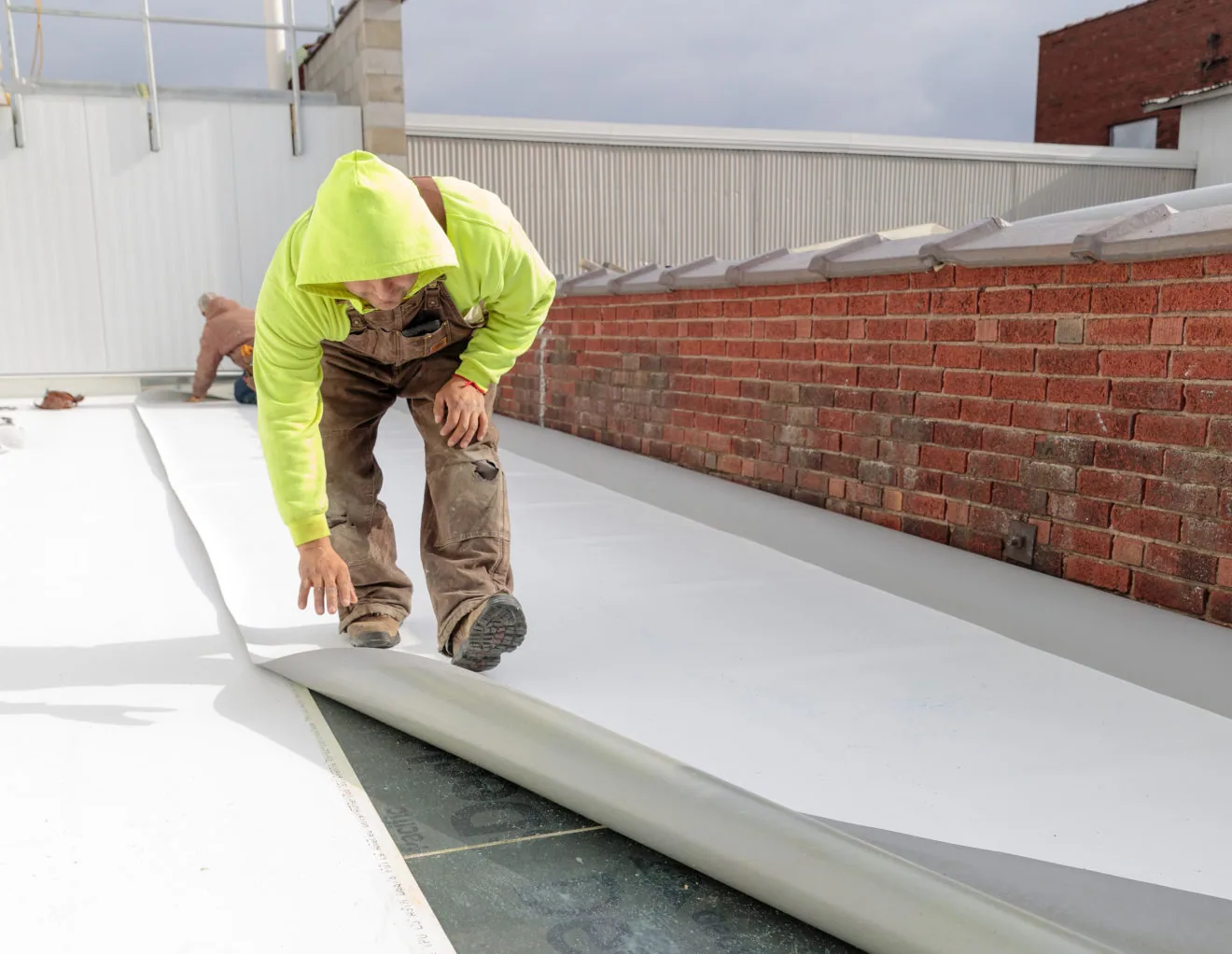
A thermoplastic sheet softens under heat and hardens again when it cools. That property lets two sheets be fused with a hot-air welder, and lets a repair patch be welded to an old sheet, provided the surface is clean. Rubber membranes cannot be welded this way.
PVC membranes are reinforced with polyester or glass to hold shape. They stay flexible, resist chemicals and grease, and handle ponded water better than many alternatives. The cost is higher than a basic single-ply, and it pays back where those properties are used.
The same family appears in our PVC roofing work, where kitchens, labs and food plants are typical. The membrane sits at the center of the decision, and the details around it make or break the roof.
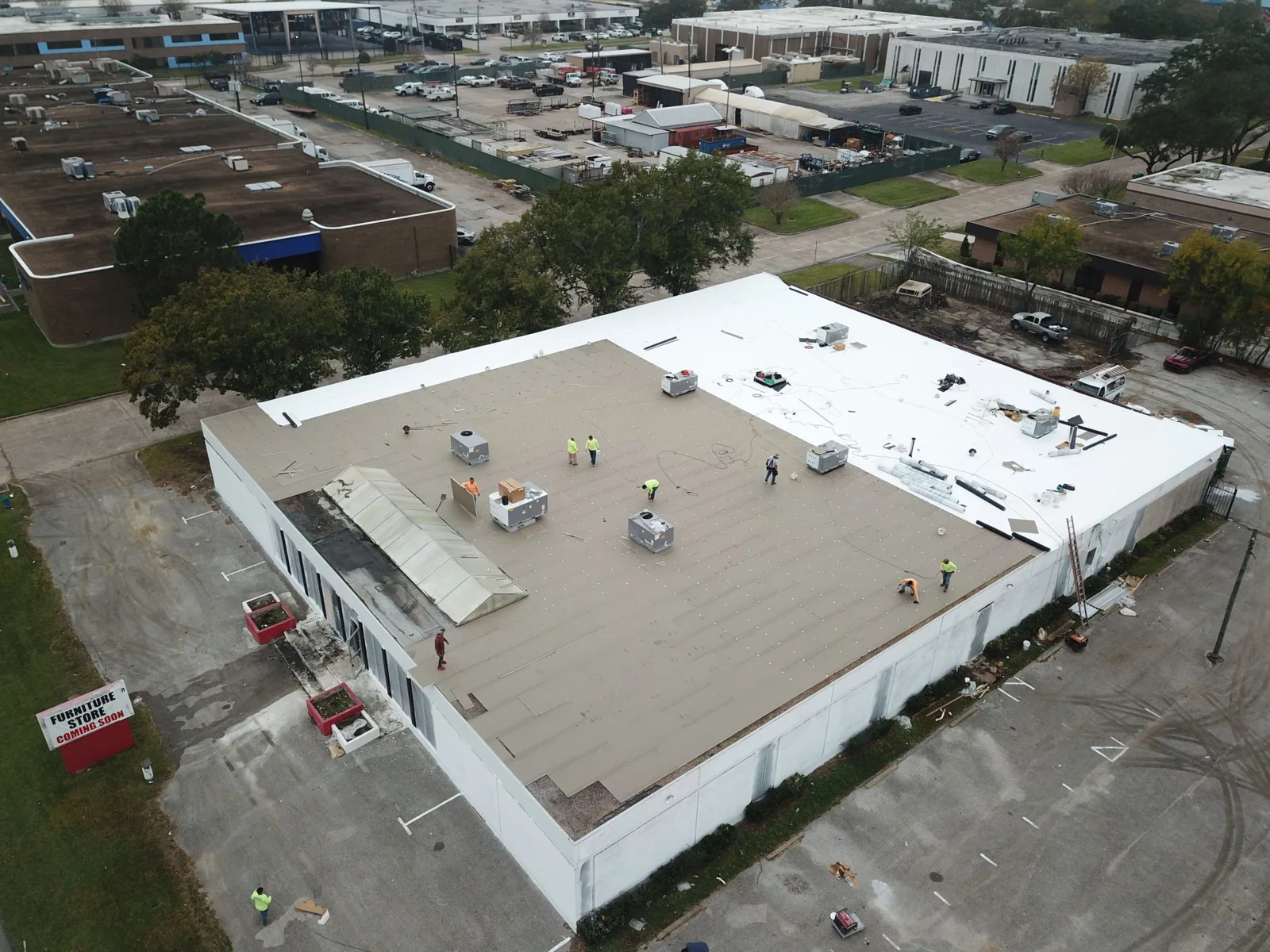
Reinforcement and thickness vary. A thicker, scrim-reinforced sheet takes foot traffic, hail and dropped tools better than a thin one. On a roof with many rooftop units, the heavier build is usually worth its price. On a lightly trafficked roof, a thinner build may do. The spec fixes the build, and the submittal confirms what we install.
Color matters less here than the chemistry. White PVC reflects heat, though in a low-sun market the cooling gain is modest. Light colors do show dirt and algae, and a wash twice a year keeps them tidy. We include a wash line when the owner wants the bright finish to last.
Other makers sell PVC sheet too, including Versico, and the field craft is shared. The weld, the probe and the clean surface do not change with the logo on the roll.
Weld quality on the day
A welder is set by temperature, speed and pressure. Change the air, and the settings change. Cool, damp mornings need more heat or slower travel than warm, dry afternoons. The crew runs a test weld at the start of each shift and after any pause, pulls it apart and reads the bond.
Probe checks follow the production welds. We draw a thin steel probe along the seam edge and mark any gap or soft spot for rewelding. We do this the same day, before rain or dust gets onto a suspect seam.
Cleanliness decides the weld. Dust, moisture or old residue blocks the bond. Aged sheet may need cleaning before it will weld, and we test an area before running a long repair. A cold weld looks fine and peels in the first hard freeze.
Equipment gets checked as well. Nozzles clog, hoses leak heat and generators sag under load. A weld machine that drifts a few degrees can turn a good seam into a cold one by afternoon. The crew leader checks the machine at every break and logs the settings. That log is a small piece of paper that tells the owner how the day went.
Flashing and penetrations
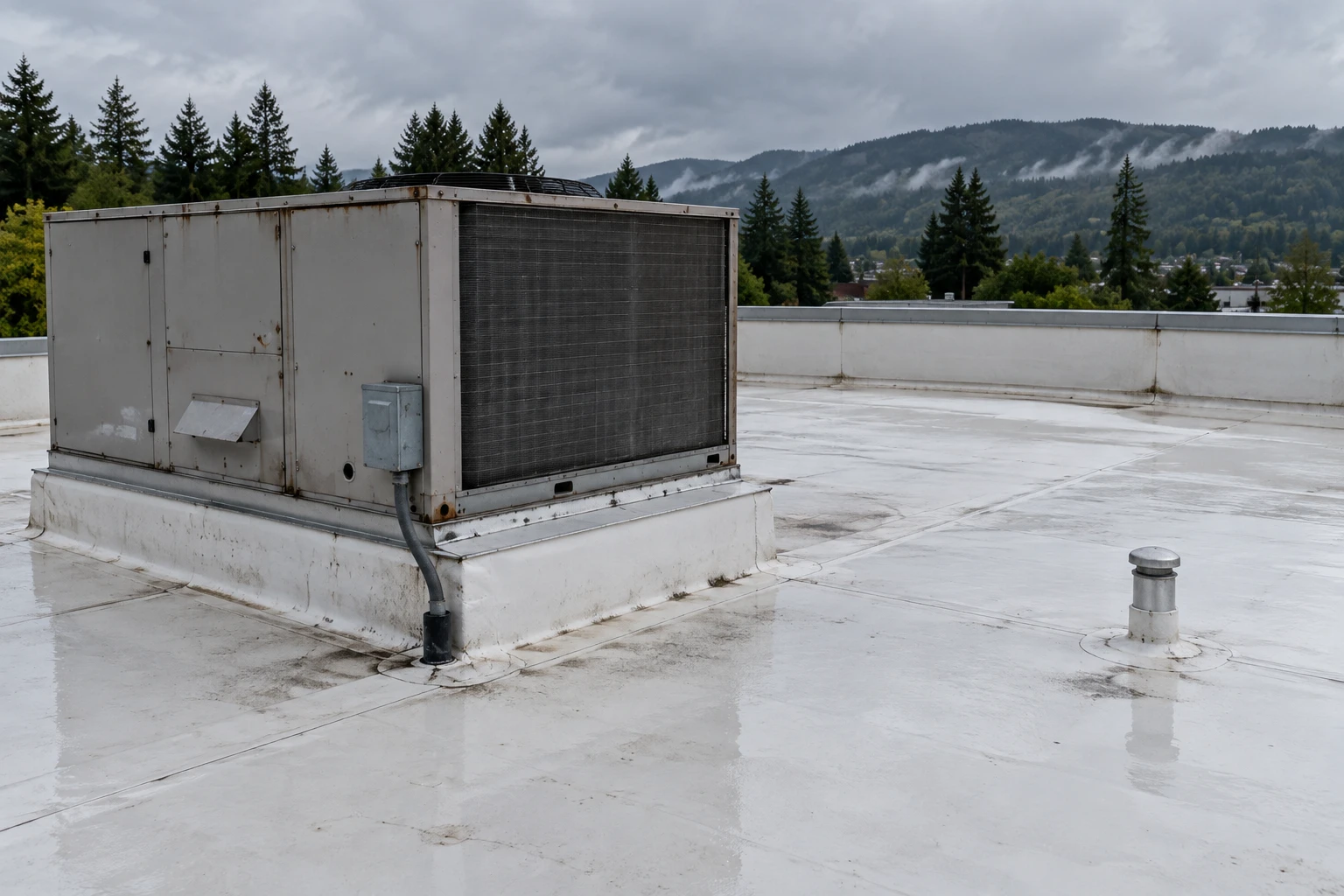
Details take longer than the field. Each curb, pipe, drain and wall needs a flashing welded to the field sheet. Prefabricated corners and boots save time and give a reliable shape. Field-cut folds are slower and depend on the installer.
Base flashing height follows the spec and the insulation thickness. Under the state energy code that took hold in March 2024, a replacement carries more insulation than the old roof, which raises every wall and curb. We work the heights out before ordering.
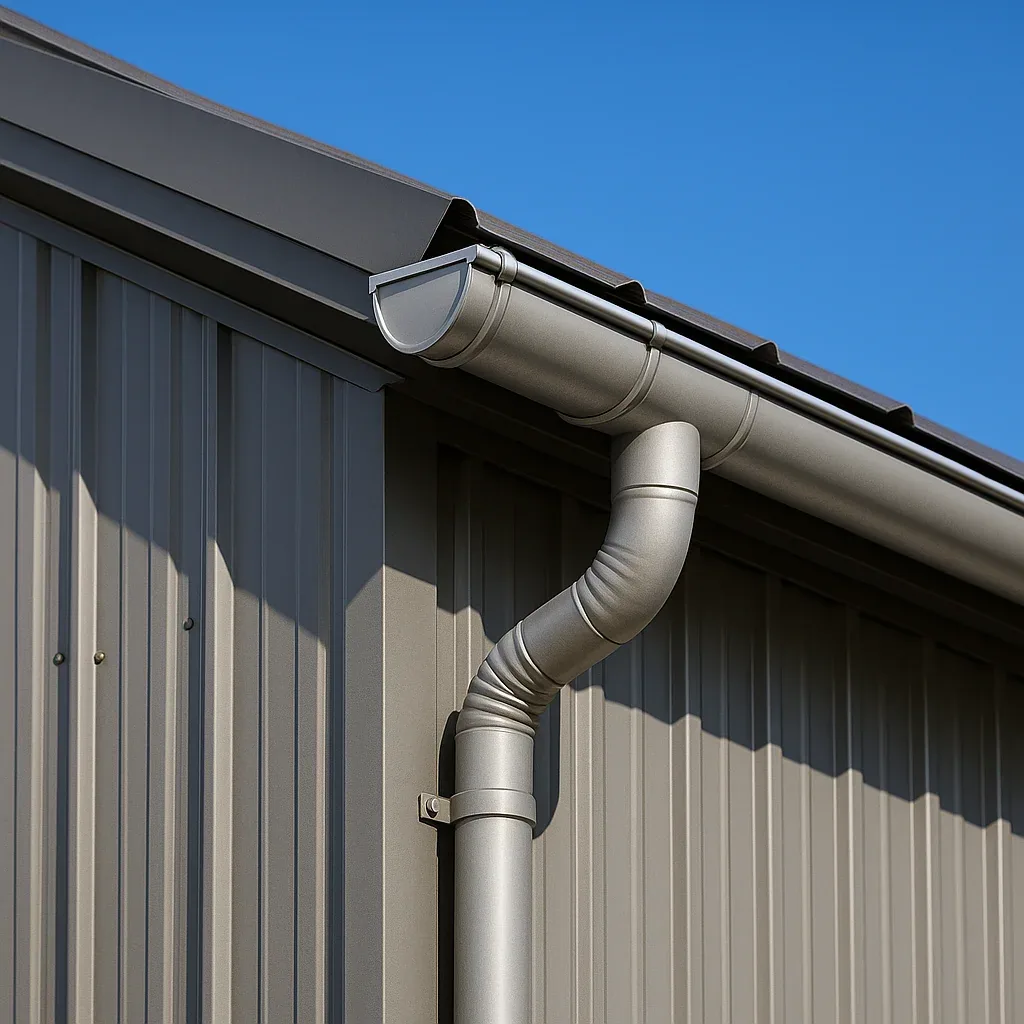
Metal flashing is a separate system. Coated metal, formed to the profile, laminates to the membrane and gives a sturdy termination at the edge. A tested edge and coping detail goes on the bid as its own line.
Compatibility matters at transitions. PVC contacts asphalt, some foams and certain sealants badly, since plasticizers can migrate. A separation layer or compatible flashing keeps the sheet from softening at the edge. When a PVC roof meets an old bituminous parapet, we test the surface and choose the layer before welding anything to it. A rooftop curb with an old tar collar is the usual case.
Weather and the schedule
Rain totals about 34.8 inches a year in Bellingham, and sun hours run near 1,866, which slows deck drying. Welded systems need a dry sheet and a dry deck, and the calendar reflects it.
Gusts reached 67 mph in March 2016, and a November 2024 bomb cyclone put easterlies through Sudden Valley. Edge zones see the highest uplift. The fastener pattern and the edge metal are designed for it, and we check both at the end of each work day.
Cold affects PVC. The sheet stiffens below freezing, which makes folding at corners harder. We avoid detail work on frozen mornings and finish the field first, saving corners for warmer hours.
Maintenance keeps the finish clean. Moss grows on damp, shaded corners, and drains clog with debris. A maintenance visit clears both and checks the welds near penetrations. The record goes in the warranty file with the date and photos.
Liquid-applied options
Beyond sheet, some manufacturers offer liquid-applied membranes for flashing and small areas. They are brushed or rolled on, cure into a continuous layer and handle odd shapes where a sheet would need many cuts.
Liquid flashing is useful around crowded penetrations and at transitions between materials. It cures with moisture from the air, so a damp day is less of a problem than for a solvent-borne product, though it still needs a dry surface.
For restoring an aging roof, our silicone coatings and acrylic systems fill a similar role. The choice depends on slope, ponding and the substrate. We test adhesion on a small area before committing.
Where it fits
Chemical and grease exposure points toward PVC. Where hospital roofs near PeaceHealth St. Joseph carry rooftop mechanical exhaust, PVC earns a look. Processing buildings around Lynden and industrial buildings in Ferndale can vent oils and wash-down residue. Breweries in older light-industrial buildings vent steam and cleaning agents.
Waterfront roofs along the Marine Drive waterfront and in Fairhaven sit in salt air, and PVC tolerates it, provided fasteners and edge metal are stainless or coated.
Compared with Duro-Last, which fabricates PVC panels off site, a field-welded sheet gives more freedom on irregular roofs. Both are PVC, and the right pick follows the roof shape and the schedule.
Commercial Roofing Questions
How can I tell a good weld from a poor one?
A sound weld leaves a small bead of melted sheet at the edge and holds against a probe. A poor one looks similar but peels under load. We pull test welds each shift and probe every seam.
Does PVC need a cover board?
Often yes, to protect the insulation and give a flat base. Compatibility between the board and the membrane is checked in the submittal.
Can old PVC be patched?
Yes, after cleaning, if the surface will weld. Aged sheets can resist. We test a small area before patching a long run.
Is PVC good where water ponds?
It tolerates ponding better than some sheets, but standing water still ages any roof. A tapered layer or a new drain goes in where water lingers past a day or two.
What happens in a cold snap?
The sheet stiffens, so corner work waits. Field welding continues on dry sheet if the air allows. We pick the day's task to match.
Send the spec and the exhaust list
Send the drawings, the named system and a list of what vents onto the roof. We will price the sheet, the flashing and the weld testing as separate lines before the bid closes.