Spray Polyurethane Foam (SPF) Roofing in Bellingham, WA
Spray polyurethane foam roofing in Bellingham, WA: jointless insulation and waterproofing, with the wind, damp and temperature limits that govern a spray day.
Spray Polyurethane Foam (SPF) Roofing in Bellingham, WA
Spray polyurethane foam roofing in Bellingham, WA: jointless insulation and waterproofing, with the wind, damp and temperature limits that govern a spray day.
Roof Systems
Spray Polyurethane Foam (SPF) Roofing in Bellingham
Foam sprays on in a single pass and rises like bread. It cannot be sprayed in the rain, in a breeze or onto a damp deck. Bellingham, WA gives the crew few days like that between October and April. So SPF here is a summer system, and the schedule is built backward from the first week of dry weather.
Spray polyurethane foam is a two-part liquid that expands into a rigid, closed-cell insulation layer, applied directly to the roof. A protective coating goes over it. The result is a jointless, adhered surface with no laps, an insulation value built into the roof and a very light weight. When the conditions are right, it is one of the cleanest ways to reroof an irregular building.
Overview
Spray Polyurethane Foam (SPF) Roofing
What the foam does
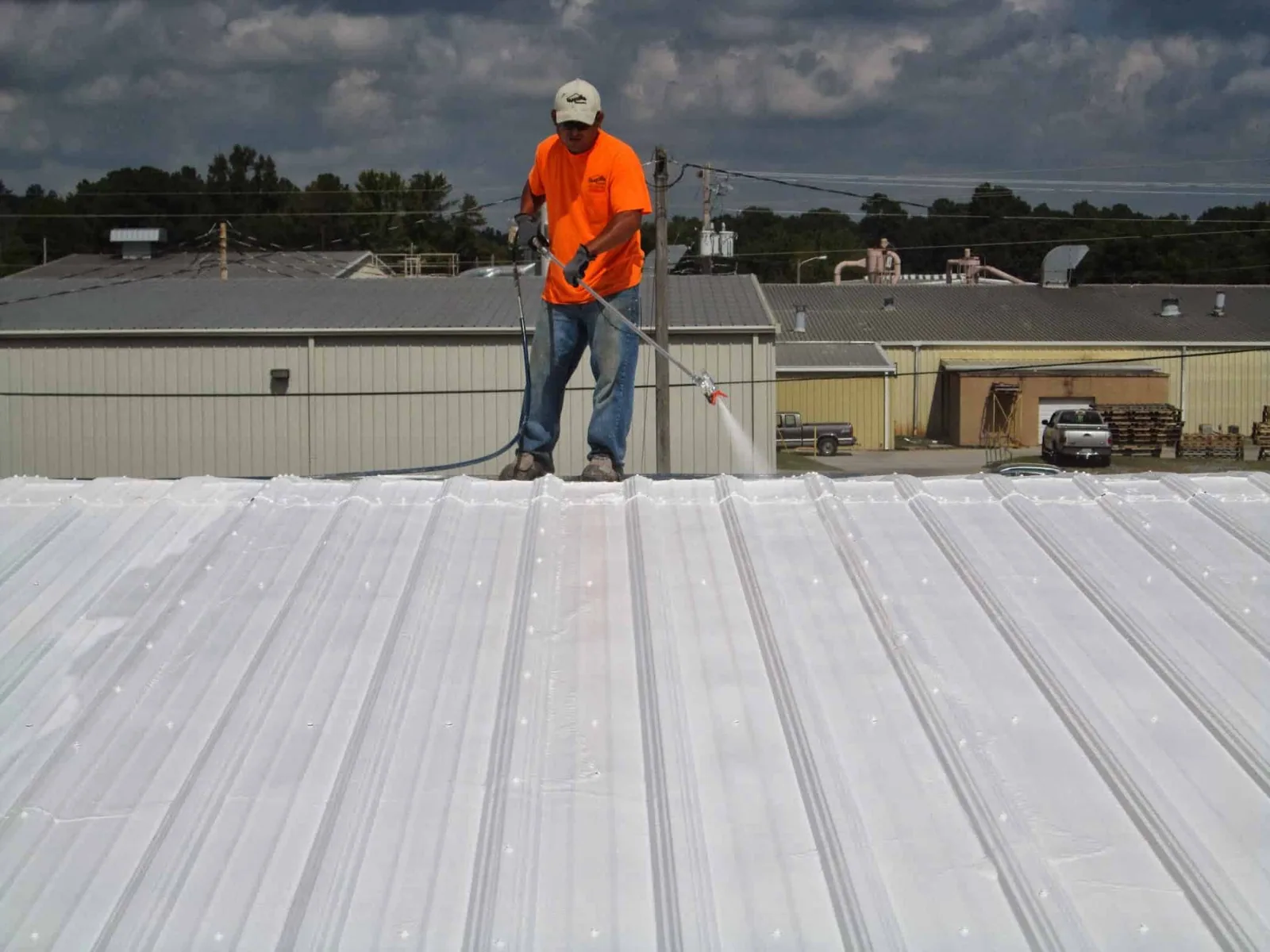
The foam is sprayed in passes, each about an inch thick, until the target depth is reached. Closed cells trap gas, which gives the layer its insulating value and its stiffness. It bonds to the substrate across the whole surface, so there are no mechanical fasteners to loosen.
Because it is sprayed, it follows the roof. Curbs, pipes, skylights and odd corners are all coated in the same pass, without seams. A roof with many penetrations or curved geometry is often a good match.
Slope is built in. The sprayer can feather the foam thicker toward drains and thinner away from them, correcting a flat or ponding area as the work goes on. That tapered fill is one of the real advantages over sheet systems.
Density and thickness are specified. A higher-density foam resists foot traffic and compression better, and a thicker layer insulates more. The spec sets both, and the sprayer checks thickness with a gauge at a grid of points on the roof. Those readings go into the daily log, so the owner sees the delivered depth, not the planned depth.
Temperature of the two components matters too. Heated hoses and a calibrated rig keep the mix ratio right. Off-ratio foam can look fine and fail in a season. We run test sprays at the start of each shift and cut a sample to read the cell structure.
The spray window
Foam is picky. The substrate must be dry and above a minimum temperature. Wind carries overspray, and even a moderate breeze can drift a fine mist onto cars, windows and adjacent roofs. Humidity and dew affect the cure.
Bellingham's long wet season and low sunshine of about 1,866 hours a year make suitable days scarce between fall and spring. July is the driest month, and the usable season runs through the summer. Missing it often pushes the work to the next year.
Morning dew keeps decks wet longer than the air suggests. We probe and read the surface before spraying, and we hold the crew on damp days. A day lost to wind is another cost to carry, so the bid names the window.
Wind control also means protecting what is below. Masking, tarps and buffer zones go up around vehicles and glass. The staging plan names those areas before the first pass.
The coating on top
Raw foam breaks down in sunlight, so a protective coating goes on within days. The coating also adds waterproofing and wear resistance. Common choices include silicone and acrylic, with granules embedded in the final coat where foot traffic is expected.
The coating needs its own dry window. Silicone cures by moisture in the air and tolerates humidity better. Acrylic needs a rain-free period after application. We schedule the coat within days of the spray, and the second dry spell is as important as the first.
Recoats extend life. SPF with a maintained coating can serve for many years. Without recoating, the foam is exposed and wears. We write the recoat interval into the closeout, and the owner can plan the cost.
Granules matter on traffic routes. A coat with embedded granules gives grip for the crew and protects the foam from boot wear. Where service techs walk to rooftop units, we add them along the route. Along the edges, the coating gets an extra pass, since that is where wind and water attack first.
Wet substrates and old roofs
Foam is often sprayed over an existing roof. That saves tear-off and adds insulation. It only works over a dry, sound assembly. Trapped moisture under foam does not escape, and it rots the deck.
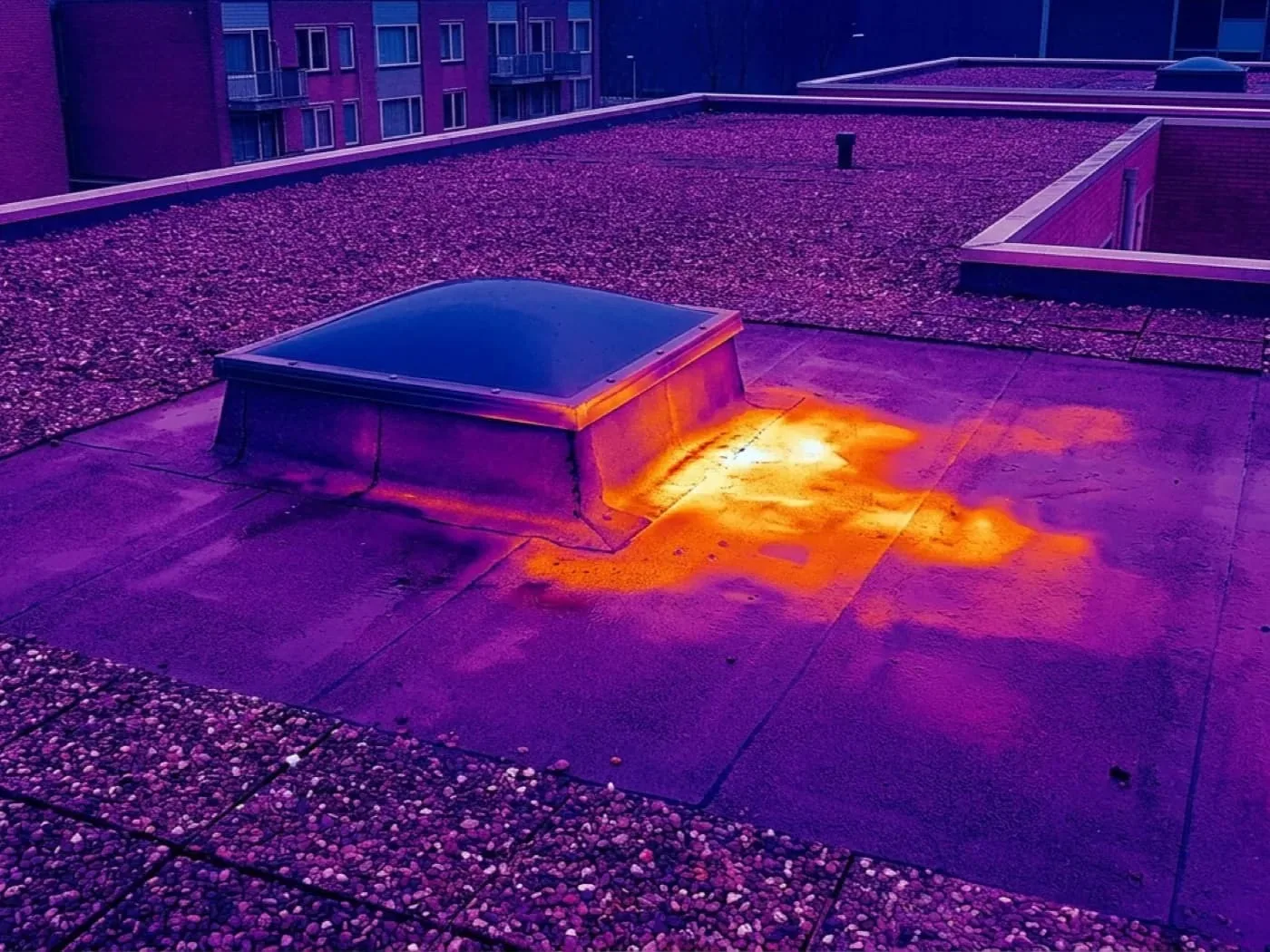
We run a moisture survey before any recover with foam. Cores and scans find the wet areas, which are cut out and replaced. The remaining roof must be clean and free of dust, oil and loose material.
Compatibility matters too. Some old coatings and asphalt products can bleed into the foam. A test patch confirms adhesion before the full spray. A sound base also allows a cover board or insulation upgrade to be skipped, since the foam supplies the insulation.
Fasteners and old flashings need attention before foam. Loose metal gets re-fastened, rusted pieces are replaced and old pitch pockets are cleaned out. Foam bridges a lot, but it cannot hold a loose edge in place. Each defect corrected before spraying is one less leak path buried under the new surface.
Edges, fire and limits
Foam is combustible. The coating and the roof assembly must meet the fire rating the building needs, and the code review confirms it. Washington adopted the 2021 International Building Code statewide on March 15, 2024, and the design team checks the assembly against it.
Foam does not protect against hail or impact on its own. A dropped tool or heavy foot traffic can dent it. Walk pads go in where techs travel.
Edges still need metal. Coping and drip edge secure the termination and protect the foam from wind. The 67 mph gusts of March 2016 show what an exposed edge faces. We detail them as separate lines.
Where it fits
Cold storage buildings gain from the added insulation, and the jointless surface cuts air leakage. Port buildings along Marine Drive and food processing space near the waterfront are natural candidates, though wind and salt air at the water raise the overspray and corrosion questions.
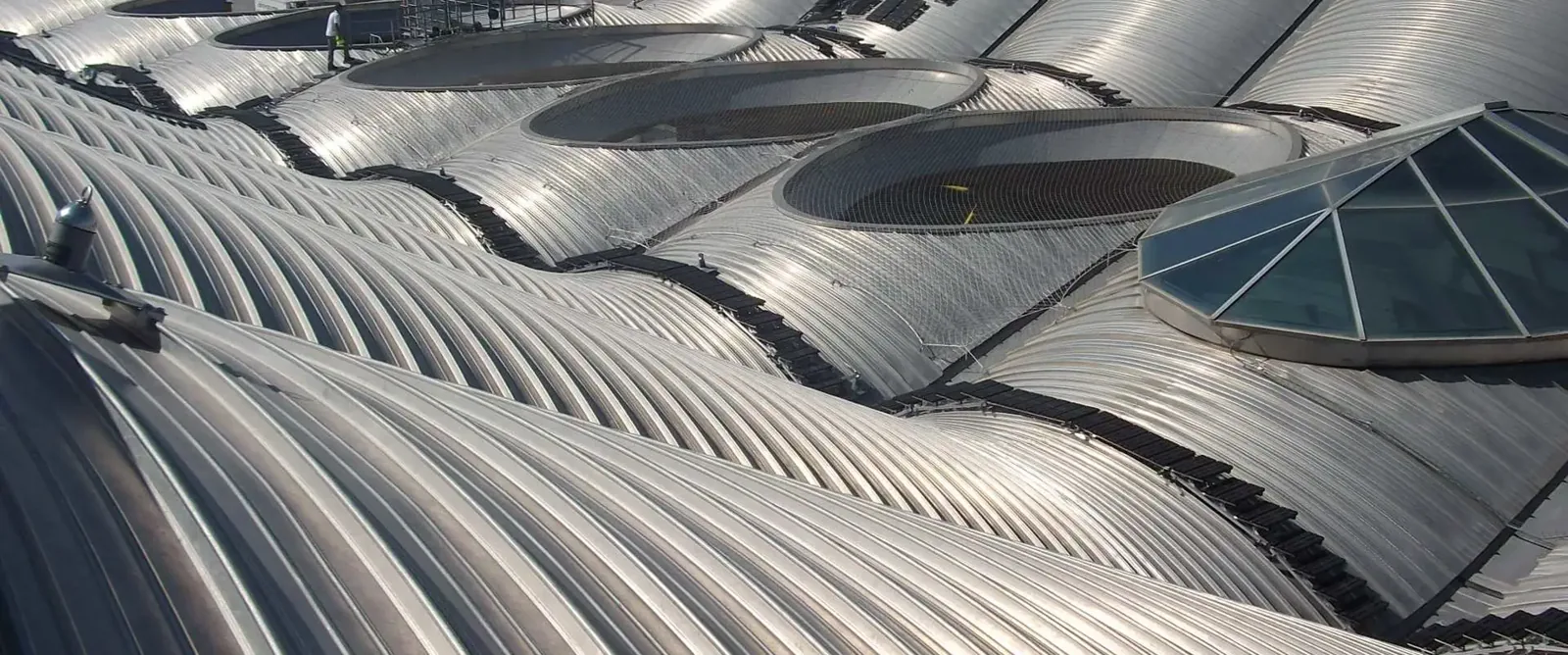
Irregular roofs with many penetrations suit it. Older metal roofs can take foam as a restoration layer in some cases. Coastal sites such as Birch Bay have condominium roofs in a salty, windy setting, where the jointless surface helps and the wind window tightens.
For roofs where spraying is unrealistic, a TPO or other sheet is the better route, and we say so.
Healthcare and institutional roofs weigh the fumes. Foam gives off odor during application, and air intakes within reach must be sealed. For a roof near PeaceHealth St. Joseph or the Western Washington University campus, that restriction alone can rule foam out or push the spray to a closed-air weekend. We put the intake plan on the bid.
Commercial Roofing Questions
What stops a foam spray day?
Rain, a wet deck, a cold substrate and wind that would carry overspray. Any one of these stops the work. We watch the forecast through the morning and hold the crew rather than spray into poor conditions.
Does foam need a coating?
Yes. Raw foam breaks down in sunlight and wears from traffic. The coating goes on within days and is renewed over the roof's life. The recoat interval goes into the closeout.
Can foam go over a wet roof?
Not safely. Moisture trapped under foam has nowhere to go and damages the deck. A moisture survey finds the wet areas, and they come out before spraying.
How does overspray get controlled?
With masking, tarps, buffer zones and a hard wind limit. Vehicles and glass within reach are covered or moved. If the wind picks up, we stop.
Is foam a good choice for a roof with ponding?
It can be. The sprayer can build up slope toward drains, correcting low spots as the foam goes down. The result depends on a sound deck and a dry start, which we confirm first.
Send the roof plan and the summer window
Send the drawings, the roof spec and your target dry-in window. We will price the foam, the coating and the overspray protection as separate lines before the bid closes.