Self-Storage Roofing in Bellingham, WA
Self-storage roofing in Bellingham, WA: metal panel fasteners, gutters on long rows, retrofit and coating options, and phasing that keeps the gate open.
Self-Storage Roofing in Bellingham, WA
Self-storage roofing in Bellingham, WA: metal panel fasteners, gutters on long rows, retrofit and coating options, and phasing that keeps the gate open.
Property Types We Roof
Self-Storage Roofing in Bellingham
A backed-out screw repeats forty times down a row. Self-storage buildings are long, low and identical. One fastener failure on one panel becomes the same failure on every panel. A self-storage roof in Bellingham, WA is a repetition problem, and repetition is what the bid should price.
These buildings have few penetrations and many fasteners. Most carry no skylights or rooftop units, just panels, trim and gutters. The cost sits in fastener count, panel length and the number of rows. We count them before we quote, and we show the count on the bid.
Overview
Self-Storage Roofing
The panel and its screw
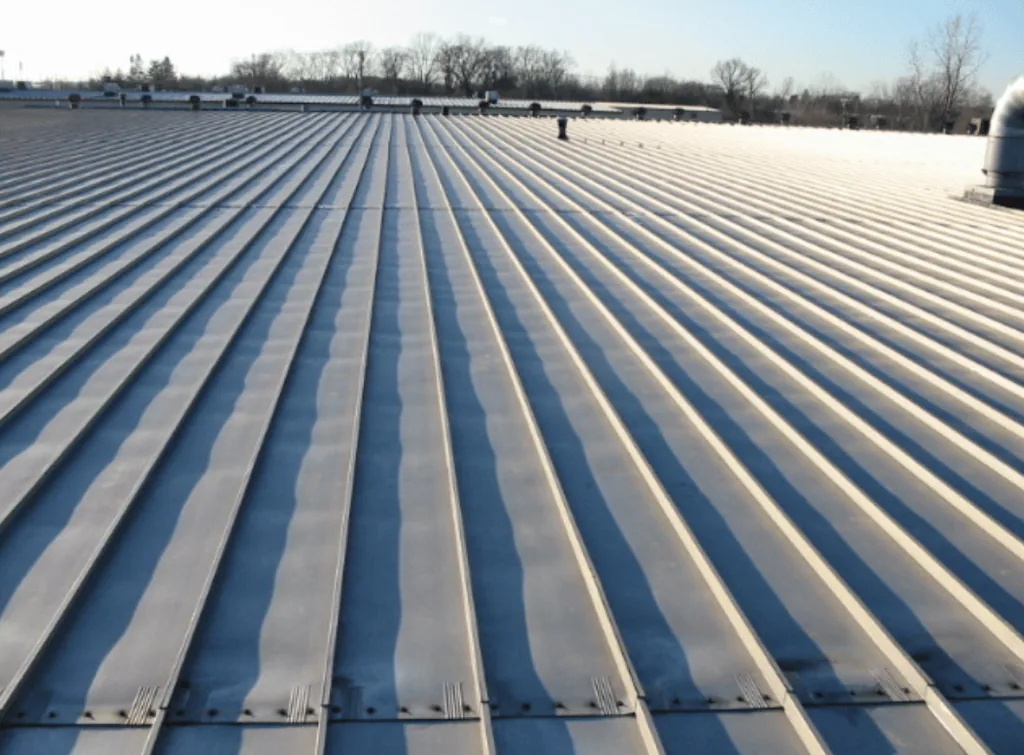
Most storage roofs use exposed-fastener metal panels. Each screw carries a rubber washer. Washers dry out. Panels expand and contract. Holes elongate. Water follows the screw into the unit below. A wet season that brings about 34.8 inches of rain a year finds every loose washer.
On a first visit we probe a sample of fasteners in each row. We note how many are loose, backed out or missing a washer. If a handful fail, a re-screw with oversize fasteners and fresh sealant at the laps fixes it. If failures run across whole panels, the panels are tired and the bid shifts to retrofit or replacement. The sample count goes in the report so the owner sees the basis for the call.
Laps matter as much as screws. A lap sealant joint that has cracked leaks at the seam line. We clean it, rebed it and photograph it.
Panel gauge and profile matter when a retrofit is on the table. A thin panel with shallow ribs flexes under foot traffic and works its fasteners loose. We record gauge, rib height and finish condition for each row so the owner can compare repair against replacement with real data. Photos of the worst panel in each row go in the report.
Long rows, long gutters
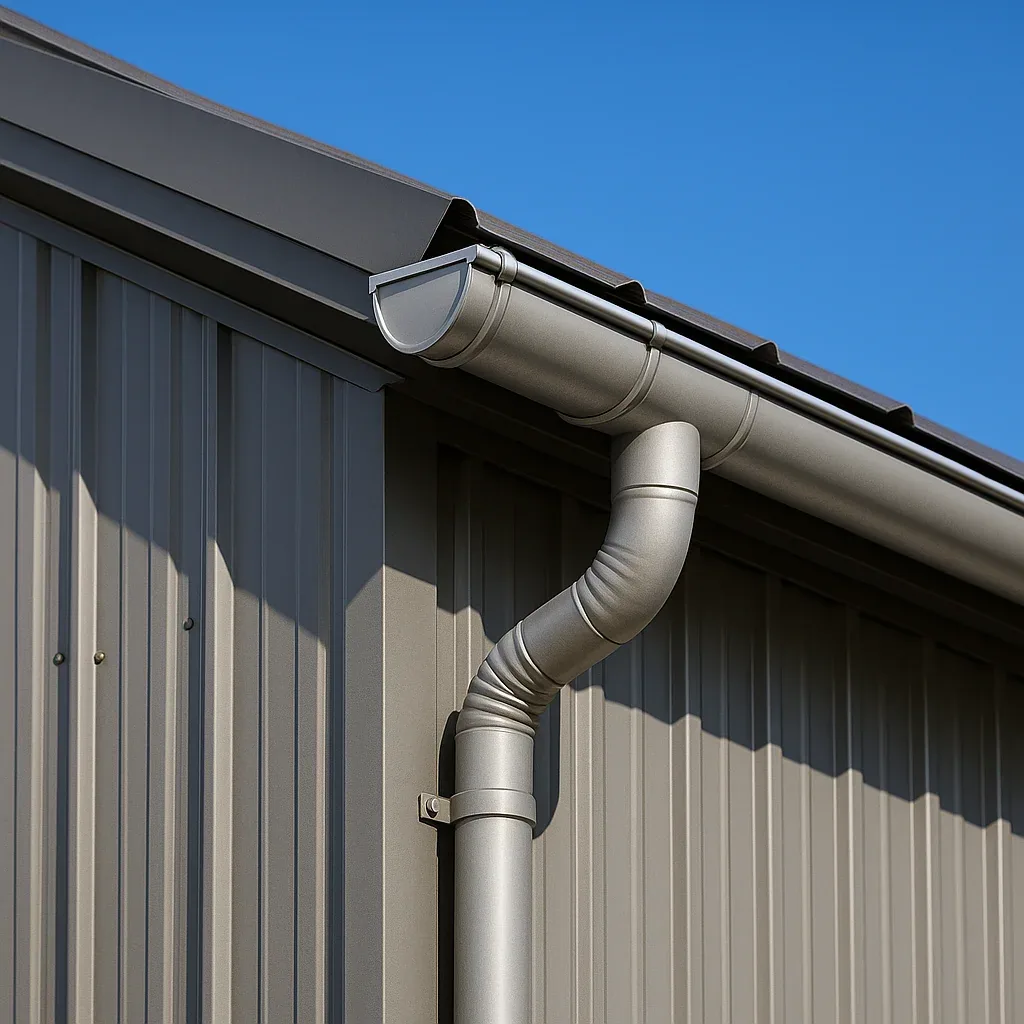
A storage row can run hundreds of feet. Every foot of eave carries a gutter or a drip edge. Water from the whole slope concentrates at the downspouts. A clogged downspout at the end of a row overflows the full length of the gutter and soaks the wall and the doors beneath.
We check gutters and edge metal for slope, fasteners and splices. Gutter hangers pull loose under snow load. Bellingham averages roughly 10 inches of snow a year, mostly December through February, and sliding snow rips weak gutters off the fascia. A heavier gauge and closer hanger spacing cost a little at install and save a replacement later.
Downspouts get a clearing visit twice a year in the maintenance plan. Debris, moss and needles gather at the elbows. The visit costs an hour per row, and it prevents the overflow.
Tenants own what is inside
A leak in a storage unit damages something that belongs to a tenant. Furniture. Records. Inventory. The facility owner hears about it first. Insurance claims follow. The roof bid should assume that the cost of one claim is higher than the cost of fixing the panel.
So we sort the units by risk. Rows with active drips come first. Rows with visible rust or loose panels follow. We give the manager a map: row, unit range, defect and fix. A manager can then call affected tenants before the crew arrives and move goods away from the open area.
Ceiling liners and insulation, where a unit has them, trap water and hide the leak. We check the underside of the roof from inside a sample of units. A rust halo on a purlin or a stained liner points to the panel above it. That inside look takes minutes and often finds a leak the roof survey missed.
Retrofit or coat
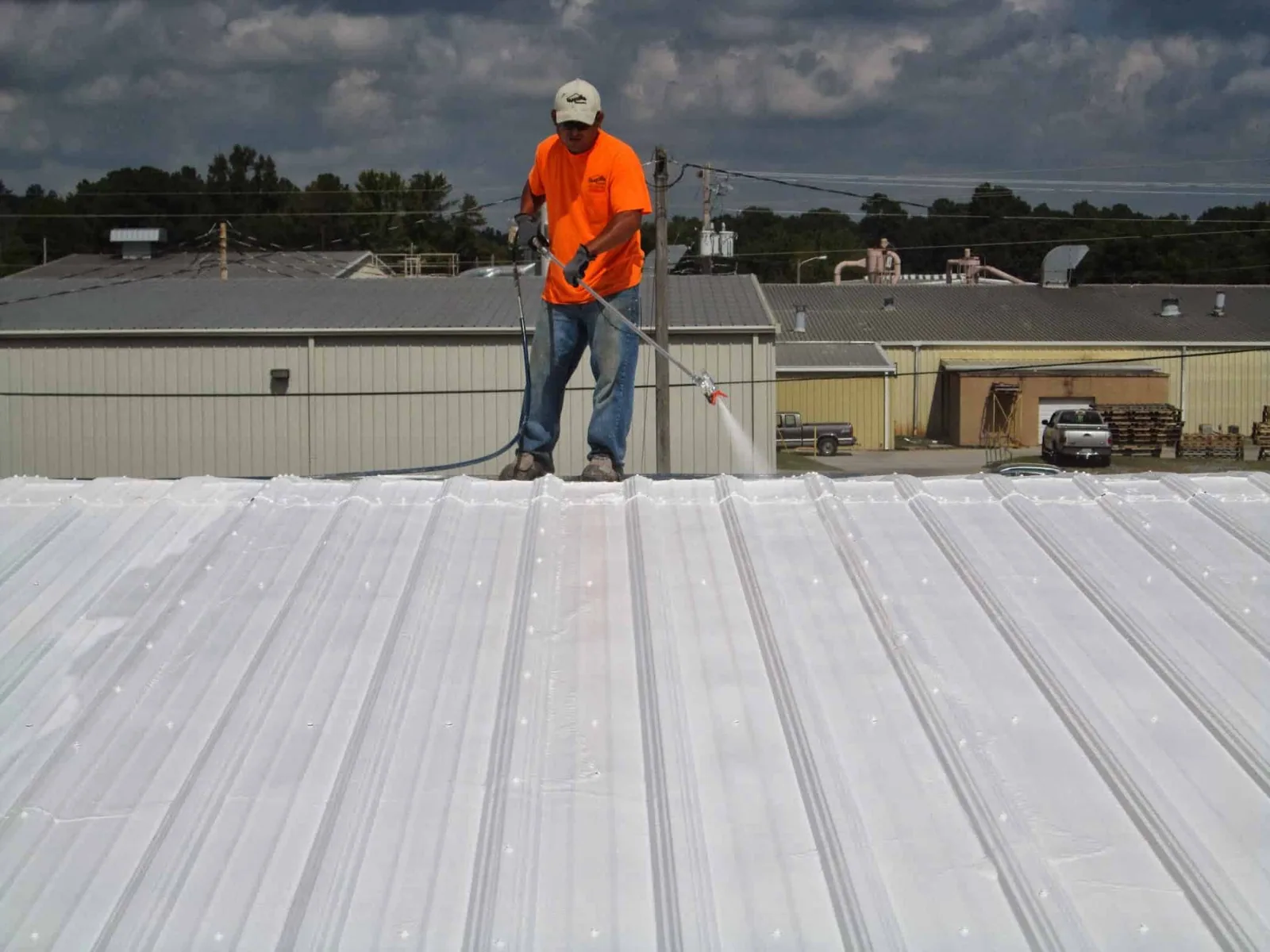
When the panels are sound but the finish is gone, a coating is an option. A silicone coating seals laps and fasteners and adds years. Coating needs dry panels and a dry forecast, and Bellingham's low sunshine makes cure windows short. July is the driest month. We schedule coating then or not at all.
When panels are tired, a metal roof retrofit goes over the old roof with new panels on purlins or sleepers. It avoids a tear-off and keeps the units dry during the work. The deck, the purlins and the load all have to check out first. We probe and measure before pricing, and the retrofit line carries a structure allowance.
The decision line is simple. Repair if only scattered fasteners fail and the finish is intact. Coat if the panels are sound and the forecast holds. Retrofit if the panels are tired and the structure can carry a second roof. Replace if the structure is the problem. Each path gets a number on the bid, so the owner sees four prices side by side before choosing.
Wind at the eaves
Long, low roofs catch wind at the eave and the gable. Gusts of 67 mph hit Bellingham in March 2016. In November 2024 a bomb cyclone swept easterly winds across the area, and at least 16 homes in Sudden Valley took damage. A long, low building on open ground, anywhere from Ferndale to Blaine along I-5, gives wind a long run at the edge.
Perimeter fastening goes on every bid. Corner zones get closer spacing than the field. Eave and rake trim get a continuous cleat and extra fasteners. We price that metal as its own line, so the owner sees what the edge costs.
Moss and the shade line
Average sunshine in Bellingham is about 1,866 hours a year. That is low. Moss and algae grow on north slopes and in the shade of tall trees and buildings. Moss holds water against metal and traps debris at laps. We clean it with a low-pressure wash and an approved treatment, then recheck the laps. Cleaning is a maintenance line, and a preventive maintenance visit each fall keeps it small.
Debris from nearby trees goes in the same plan. Needles and leaves collect at the lowest point of the panel valley and at gutter outlets, and a pressure wash alone does not remove what sits under a lap. We lift, clear and reseal as needed.
Keep the gate open
A storage facility earns when the gate works. We plan access lanes, parking for tenants and a clean lane for the crew. Work runs by row, and each row closes at day's end. Customers keep access to every unit outside the work zone.
At closeout we walk each row with the manager and photograph the fixes. Fasteners are tight. Laps are sealed. Gutters flow. Send the building plans, the roof spec and your target work window. We will price the fastener count and every metal line before the bid closes. The same count-first approach suits a flex building or a warehouse with the same metal roof.
Warranty paperwork follows. The panel maker's terms depend on correct fasteners and sealants, so we log the lot numbers and the product used. If a claim comes up years later, the file answers the first question.
Commercial Roofing Questions
How do you count fasteners on a long row?
We probe a sample in each row and extend the failure rate across the run. The count goes on the bid.
When does a coating make sense for a metal roof?
When panels are sound, seams hold and the roof can stay dry through a cure window. Otherwise a retrofit wins.
Can a facility stay open during the work?
Yes. We work by row and leave the gate and access lanes clear.
What does a missed washer cost?
A ceiling stain at first, then a tenant claim. The washer costs cents. The claim costs the roof's maintenance budget.
Which rows go first?
Active drips, then visible rust, then loose panels. The manager gets a row map.
Send the building plans and the work window
Send the building plans, the roof spec and the work window you want. We will price the fastener count and every metal line before the bid closes, so the owner decides what stays in.