Commercial Roofing in Ferndale, WA
Commercial roofing in Ferndale, WA along I-5 and the BNSF line: industrial roof details, hot-work limits, wind edges and dry-in days priced as separate lines.
Commercial Roofing in Ferndale, WA
Commercial roofing in Ferndale, WA along I-5 and the BNSF line: industrial roof details, hot-work limits, wind edges and dry-in days priced as separate lines.
Service Areas
Ferndale in Bellingham
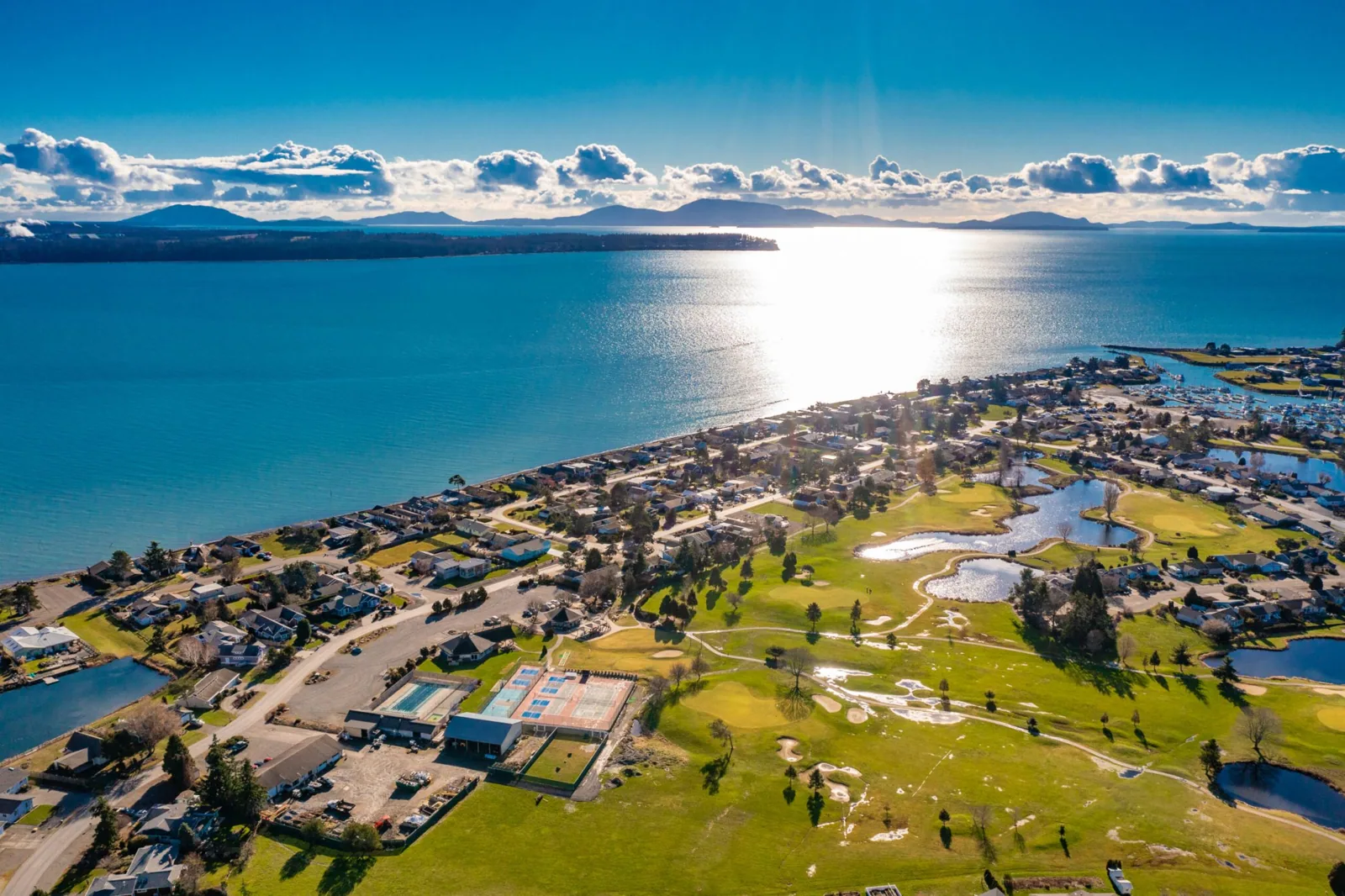
A process vent throws a stain line across a membrane. The stain marks where the chemistry is. Ferndale, WA is the second-largest city in Whatcom County, with 15,048 residents in 2020, and its industrial base runs on two refineries, one at Ferndale and one at Cherry Point, and a Brooks Sports shoe plant. Roofs near that kind of work carry exhaust, heat and strict site rules. The bid has to price all three.
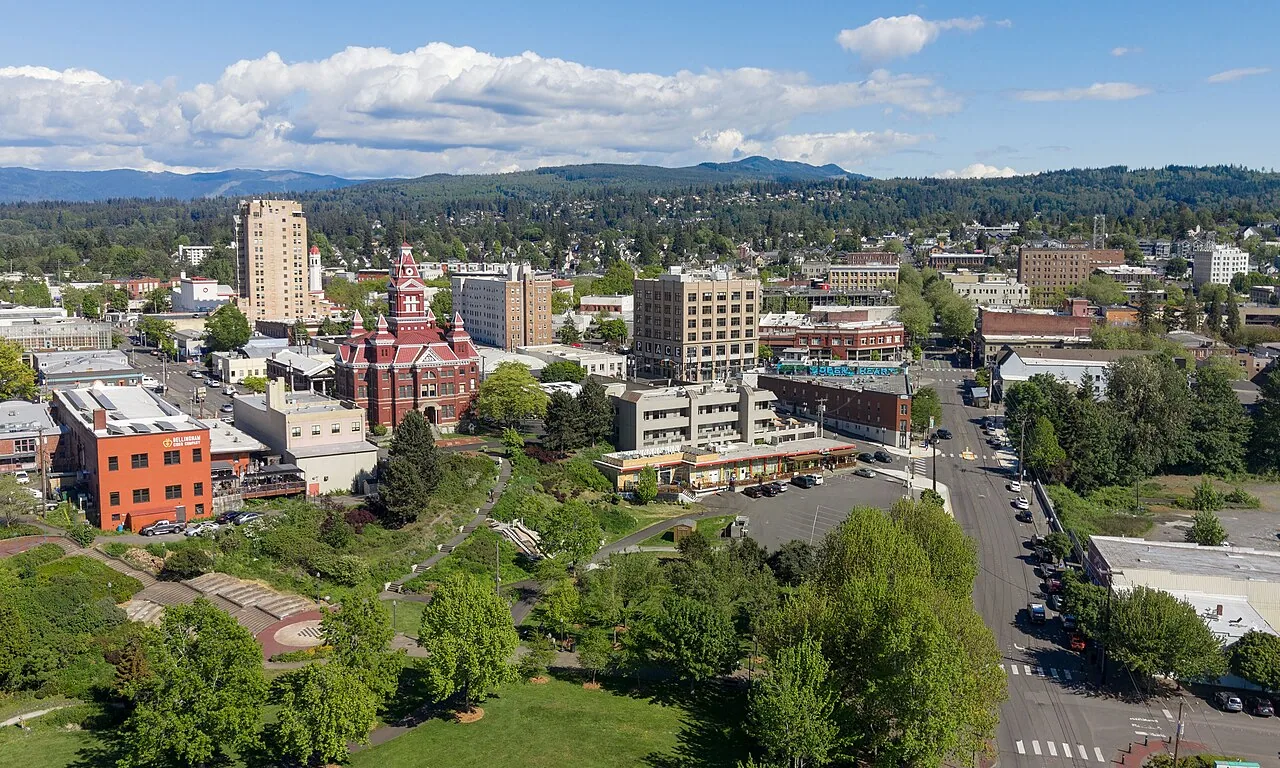
I-5 and BNSF rail both run through the city, and an industrial zone sits east of the Nooksack River. A commercial roof there is a working surface under a working building. We write the scope so the plant manager, the general contractor and the safety officer can each read their own line.
Overview
Ferndale
Exhaust marks the roof
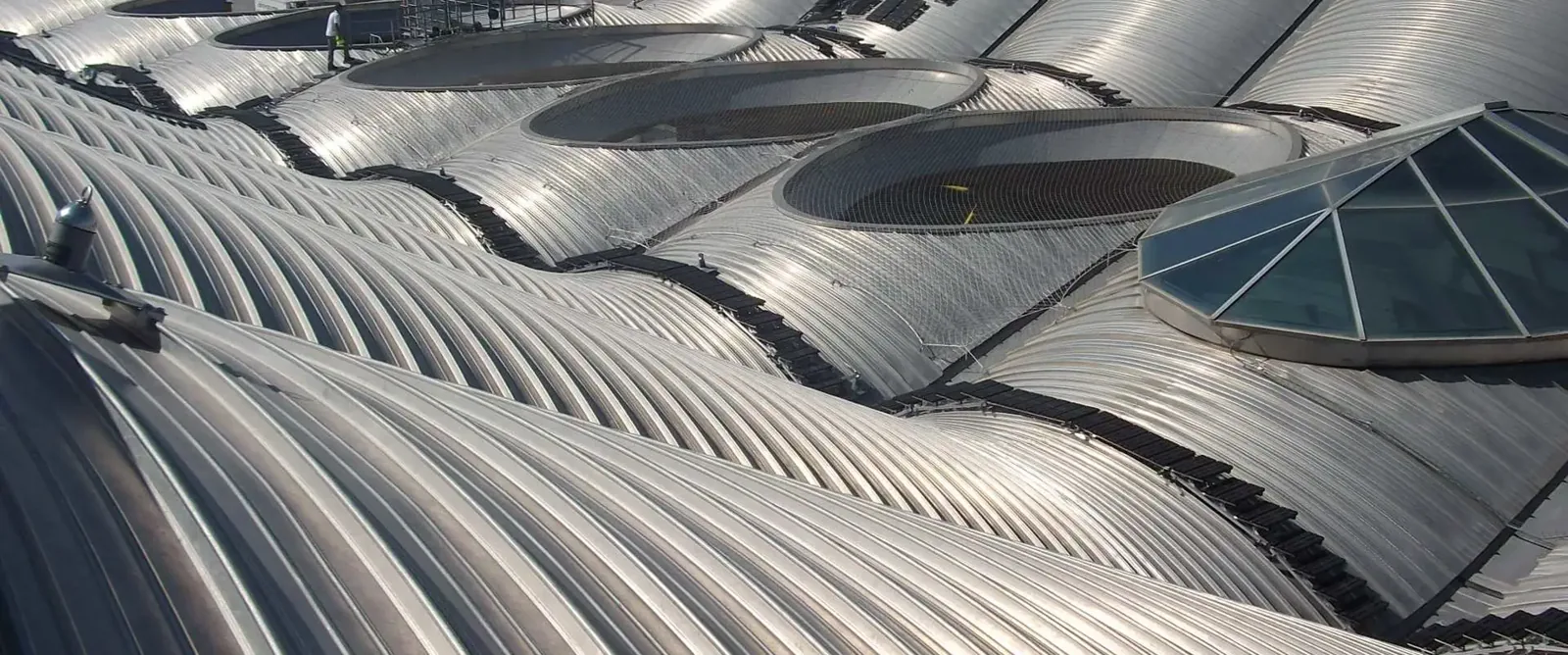
Industrial roofs collect what the plant sends up. Vent stacks. Fume hoods. Exhaust fans. Condensate. Some of it is hot. Some of it is corrosive. A membrane near a stack ages faster than the same sheet across the roof.
On a first visit we map every stack and fan and look for stain lines, blisters and softened membrane within reach of each one. A stain line tells us which way the exhaust falls. A blister near a stack tells us heat is getting under the sheet. We write each finding on the roof plan. The plan becomes the bid map. A heavier sheet, a protection pad or a stack extension near the worst spots goes on its own line.
Not every sheet tolerates every chemistry. A KEE membrane resists oils and plasticizers, and PVC resists grease. The exhaust on that roof picks which sheet earns the place.
Condensate lines get the same look. A drain that spills onto the membrane without a splash block wears a pit in the sheet. We reroute or protect it and write the fix as a small line.
Hot work needs a permit
Plants near refineries and process areas control ignition. Open flame is off the table without a permit, a fire watch and a stated start time. Welding sparks, grinding and even a hot-air welder can raise a question at the gate.
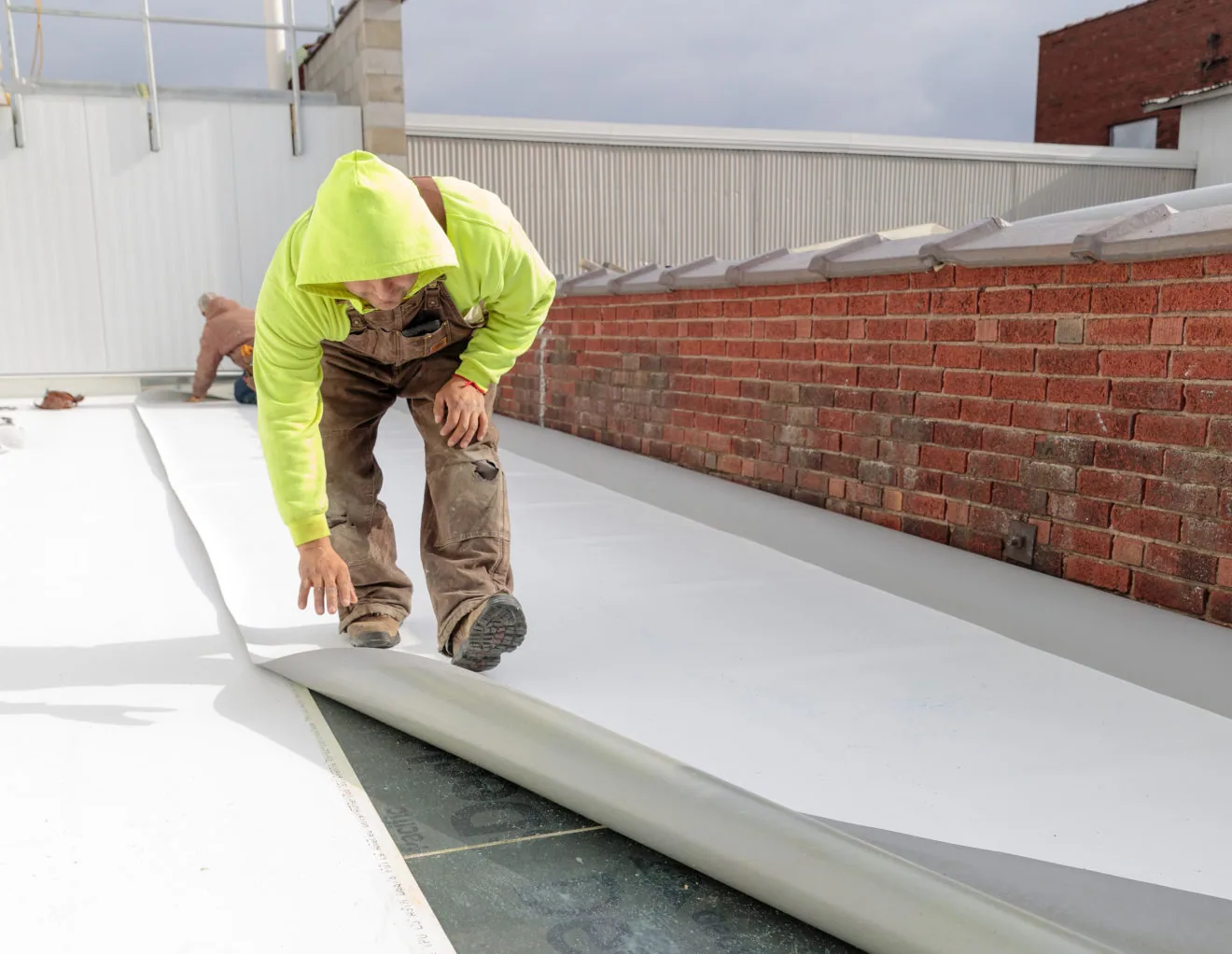
We price systems that avoid flame: mechanically attached or adhered sheets, with hot-air welded seams under a permit where the site allows. The permit and the fire watch go on the bid as hours. A general contractor can then see what the safety rules cost and decide whether an alternate system saves time.
Orientation counts too. A site may require training before a worker steps on the property. Each new worker costs a morning. We bring a stable crew and list the orientation hours so the schedule stays honest.
Rail and freight shape the schedule
BNSF carries freight and Amtrak Cascades through Ferndale, and I-5 is the region's main north-south freight corridor. Trucks come and go all day. A roof job adds a crane, a lift or a materials delivery to that traffic.
We plan staging off the truck routes and away from rail crossings. Deliveries come at the hours the plant allows. A crane that blocks a dock door costs the plant money, and that cost is bigger than the crane rental. We mark the crane position on the plan and ask the plant manager to approve it. For buildings in the Cherry Point industrial area, the site rules stack on top of the usual ones.
North of town, the I-5 corridor runs to Blaine and the border. Freight bound there passes through Ferndale first, so a plant here shares its roads with the cross-border trade that drives much of the regional economy. A delivery window that looks open at six in the morning may close by eight. We ask the dispatcher, not the map.
Wind finds the edge
Bellingham's gust record, 67 mph in March 2016, was followed by a bomb cyclone in November 2024 whose easterlies damaged at least 16 homes in Sudden Valley. Industrial buildings have long, flat roofs and tall parapets. Both take wind.
We check the coping caps, the drip edge and the base flashing on every edge. Perimeter fastening goes on each bid. A cap that lifts a quarter inch lets rain behind the sheet. The edge metal and coping line shows what the corners cost apart from the field.
Dry-in days are scarce
For reference, Bellingham takes about 34.8 inches of rain a year, and July is its dry month. Only about 1,866 sunlit hours a year means a damp deck dries slowly, and one slow morning can cost a dry-in day. Terminations and metal go in during summer, with standby crew and tarp material on hand for each open section. A plant that cannot afford a leak in the production area gets a section plan: tear off, dry in and close by day's end. The long-wet-season risk shows up as a line, and the owner sees the days we reserved.
Deck repairs hide behind the old sheet. Once the tear-off opens a section, we probe the deck and price any bad area at the unit rate already in the contract. A rotted flute found on a Tuesday does not stall the job until Friday.
Recover or replace
A plant roof often has a decade of patches on it. Before we price, we probe and scan. An infrared moisture survey shows where the board is saturated. If the board is dry and the seams hold, a recover over the old sheet avoids a tear-off and keeps the plant clean. If the board is wet, a tear-off is the right fix, and it costs more.
Code matters on a tear-off. The 2021 state building and energy codes, in force since March 15, 2024, apply to a tear-off, so insulation can thicken and parapets may need to rise with it. Those items go on the bid with their reasons.
Cover board earns its place on a plant roof. Maintenance crews walk to the stacks every week, and soft insulation compresses under that traffic. A hard board and a marked walk path spread the load and show crews where to step.
Punch and records
At closeout we walk the roof with the plant lead. Stacks are flashed. Drains flow. Sealant is tooled. Photos go in the binder with the manufacturer letter and the permit records. A yearly visit checks the stack zones first.
Send the roof plan, the stack and fan schedule and a target window, and every termination, stack zone and metal line gets priced ahead of the bid close. The same method suits a manufacturing plant in town.
Records matter on an industrial site. The binder holds the permit copies, the orientation sign-in, the seam probe log and the roof plan with each stack zone numbered. When a plant changes hands or an insurer visits, that binder answers the first dozen questions.
Commercial Roofing Questions
Why does a membrane age faster near a stack?
Heat, chemicals and moisture from the exhaust hit that patch of roof every day. A protection pad or a tougher sheet helps.
Is a recover allowed over an older plant roof?
Yes, if the board is dry and the seams hold. A moisture scan and probe checks confirm it before the bid.
How does a permit change the schedule?
Hot-work permits and fire watches add hours. Those hours go on the bid so the plant sees the cost.
Can freight traffic stay open during a lift?
With a staging plan, yes. The crane position avoids dock doors and truck lanes.
When do terminations need to finish?
Before October, when the wet season closes the dry-in window and the board stops drying.
Send the roof plan and the stack schedule
Send the roof plan, the stack and fan schedule, and your target dry-in window. We will price every termination, stack zone and metal line before the bid closes, so the owner decides what stays in.