Grocery Store Roofing in Bellingham, WA
Roof repair and replacement for grocery stores in Bellingham, WA, protecting refrigeration, produce and open sales floors with phased dry-in and curb work.
Grocery Store Roofing in Bellingham, WA
Roof repair and replacement for grocery stores in Bellingham, WA, protecting refrigeration, produce and open sales floors with phased dry-in and curb work.
Property Types We Roof
Grocery Store Roofing in Bellingham
Refrigeration condensers shed heat and condensate onto the roof every hour of the day. That load wears membranes, rots curbs and feeds ponds around drains. On a grocery store in Bellingham, WA, the condenser deck is the first place we look. Perishables sit below it, and a drip is a product loss, not a repair ticket.
Grocery roofs share a short list of problems. Send the drawings, the equipment schedule and your dry-in target, and we will price every curb, line set and termination before the bid closes.
Overview
Grocery Store Roofing
The condenser deck
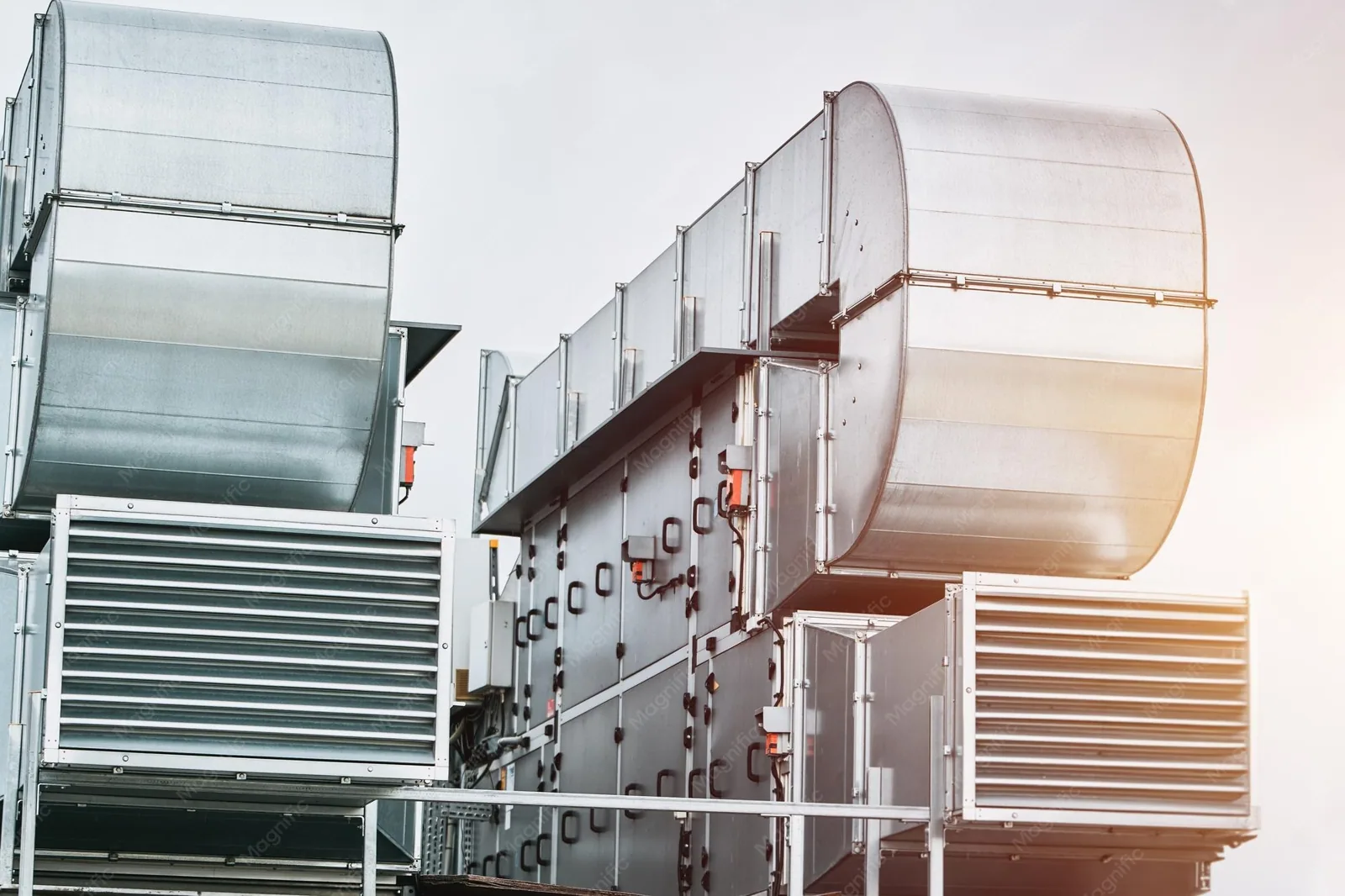
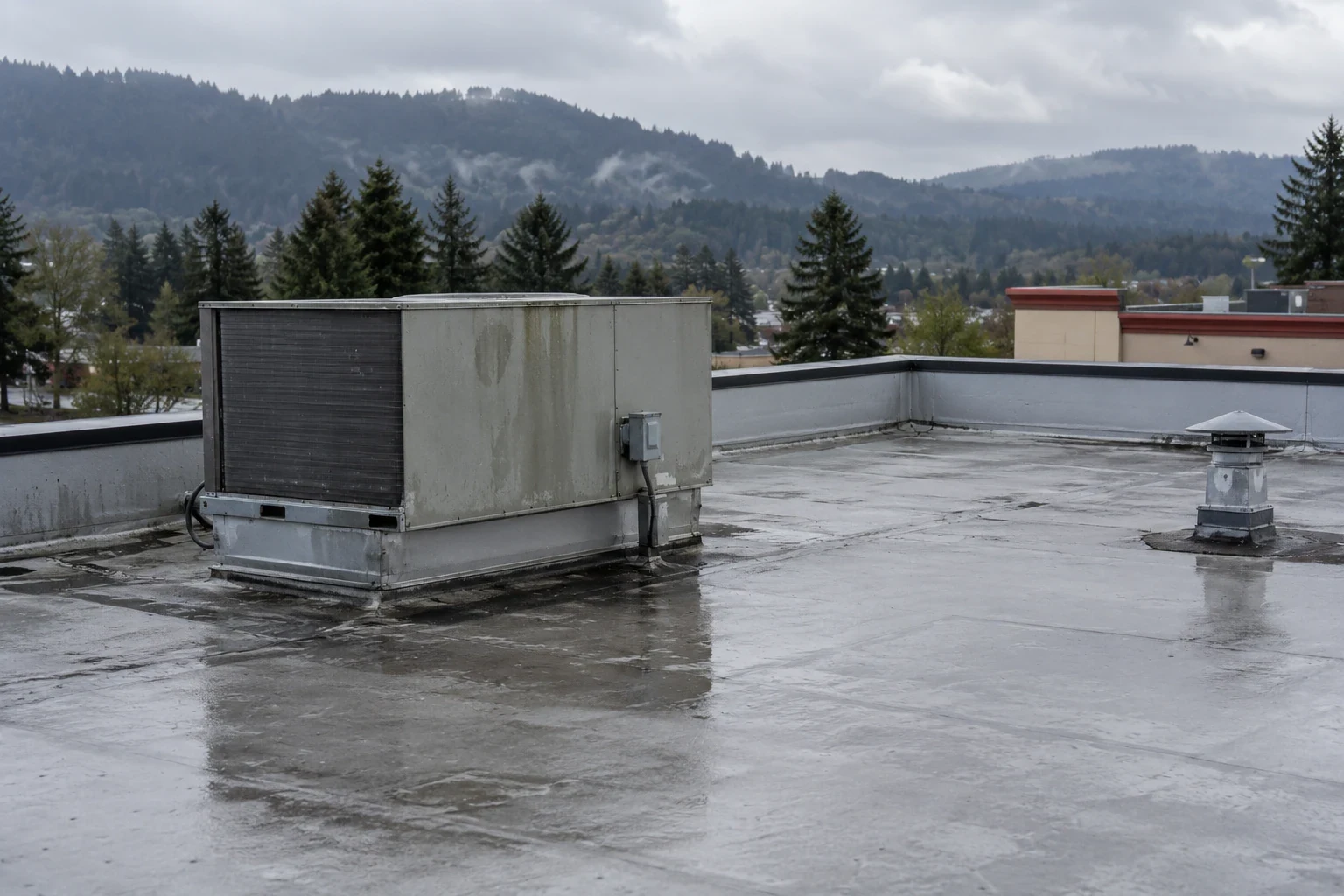
Most stores have a cluster of condensers and fans over the refrigeration rooms. Pipes run from the units through the roof. Each pipe is a penetration. Each curb is a flashing. Heat and moisture from the units attack sealant and membrane around them.
On the first walk we map the cluster. We check curb height, base flashing and sealant age. We look for stains that show glycol or oil leaks. Those fluids attack some membranes. We note walk routes, because techs service the units often and the membrane wears along their path.
The condenser deck usually gets its own bid zone. It may need a different sheet, a thicker protective layer or walk pads. The curb and support work sits in the same zone, so the mechanical contractor and the roofer share one plan.
Condensate drains deserve a look. Some stores pipe condensate to a roof drain, and some let it run across the membrane. Running water leaves a stain line and feeds algae. We trace each discharge and route it to a drain or a splash pad. A stained field is a cosmetic issue at first. After a few seasons it becomes a membrane issue.
Perishables below
A roof leak over a produce wall, a freezer case or a bakery floor costs product and a health inspection. Stores cannot move those lines on short notice. The roof plan has to know what is below every section.
We overlay the roof plan on the store plan. Areas over coolers and prep rooms rank high. Areas over dry storage and offices rank lower. High-risk zones get small open areas, same-day close and a leak watch with tarps ready. Low-risk zones move faster.
The store manager gets a daily plan. It names the sections open, the sections closed and the person to call. The plan changes the morning of each phase if the forecast changes.
Entry vestibules and loading docks need the same ranking. Doors open all day, and wind-driven rain reaches the canopy edges first. A canopy leak drips on customers. We flash the canopy as its own item and test it with water before handover.
Whatcom County food chains
Raspberries, dairy and eggs make Whatcom County an agricultural hub. The county turns out 60 to 80 million pounds of raspberries a year alongside its dairy and egg operations. Trade across the border with British Columbia keeps much of that food moving. Grocery stores sit at the end of that chain.
A store near farm country, such as one around Lynden, has its own delivery pattern and busy season. So does a store on Interstate 5. We confirm both before we schedule the work. The roof system comes from the first walk, not from the brand on the sign.
Fresh product moves fast, and so do the trucks that carry it. Dock doors and receiving canopies keep early hours. We schedule dock-side roof work after the morning deliveries clear, and we keep the lift and fence out of the truck path.
What moves the price
Five items move a grocery roof price. They are condenser zone work, penetrations, insulation, drainage and phasing. Depth of insulation follows the energy code adopted statewide on March 15, 2024, so condenser curbs need taller flashings than they once did. Thicker board lifts every flashing. Condenser zones need extra protection and extra labor. Phasing follows the store's delivery and stocking hours. A night-shift option exists for some tasks and costs more per hour.
A TPO recover over a dry roof can skip the tear-off. That keeps the store quiet and cuts open-deck days. The moisture survey decides. Core samples confirm.
The recover option deserves its own comparison on a grocery roof. It avoids dust and noise over the sales floor. It adds weight, so we check the deck and the layer count first. When a retail chain supplies standard roof details, we price to them and flag any that conflict with the manufacturer's terms.
Wet season and holiday stock
Bellingham takes about 34.8 inches of rain a year, and none of it should reach a produce wall. November is the wettest month. July is the driest. Low sun, about 1,866 hours a year, keeps a deck damp past the point a crew likes. Holiday stock fills the store from November through the new year. Summer is the cheap window for roof work. We want terminations and metal closed before the fall rain returns.
If a leak will not wait, the wet-season method applies: small areas, same-day close, covered material and a tarp crew on standby. That premium goes on the bid as a line, set against the cost of lost product.
Spring is the other good window. Rain is easing and produce deliveries are lighter than in summer. We book the crew early because the same weeks suit every other roof on the list.
Wind, signs and entry canopies
The 67 mph gust of March 2016 that took stucco off the Bellingham Home Depot storefront is the wind a grocery front, with its big signs and canopies, has to sit in. The November 2024 bomb cyclone drove easterly wind through Sudden Valley. A grocery front carries big signs, tall parapets and entry canopies, and each one catches wind. Perimeter fastening goes on every bid, with metal gauge and fastener spacing set in writing. We probe seams and pull-test caps before handover. Canopy flashings get a close look, since leaks there drip on customers. The punch walk ends with the store manager. The manager then holds the roof map, photos and a log of every penetration. A big box store or a restaurant next door keeps its own file.
Cart corrals, light poles and rooftop signs add edge risk. We check sign bases and screen panels for fasteners. A loose panel in a gale lands in a lot full of cars.
After the punch walk we log every curb, line set and canopy joint, so a refrigeration contractor who cuts a new opening later has a map to follow and a flashing detail to match.
Commercial Roofing Questions
How do you protect perishables during a reroof?
We rank sections by what sits below, open small areas and close them the same day. A leak watch and tarps stay ready until each section is sealed.
Can refrigeration units stay on during roof work?
Usually. We flash around them in phases and coordinate shutdowns with the mechanical contractor only when a curb must be rebuilt.
What damages membrane near condensers?
Heat, condensate, glycol and oil. We check the sheet near the units and add protection or a different sheet where needed.
Is night work an option?
For some tasks, yes. Night work costs more per hour and reduces customer contact. The bid shows both options.
What does the store manager receive at closeout?
A roof map, photos, the penetration log and the signed punch list. Equipment contractors follow the file for future work.
Why check a canopy before the main roof?
Canopy leaks drip on customers and stain the entry. They also show how the flashing and sealant have aged, which hints at the condition of the field.
Send the drawings and the equipment schedule
Send the roof plan, the equipment schedule and your target dry-in window. We will price every curb, line set and termination before the bid closes.