Roofing for Cities, Counties and Public Agencies in Bellingham, WA
Roof inspection, planning and repair for city, county, port and public agency buildings in Bellingham, WA, written for budget review and audit.
Roofing for Cities, Counties and Public Agencies in Bellingham, WA
Roof inspection, planning and repair for city, county, port and public agency buildings in Bellingham, WA, written for budget review and audit.
Industries We Serve
Roofing for Cities, Counties and Public Agencies in Bellingham
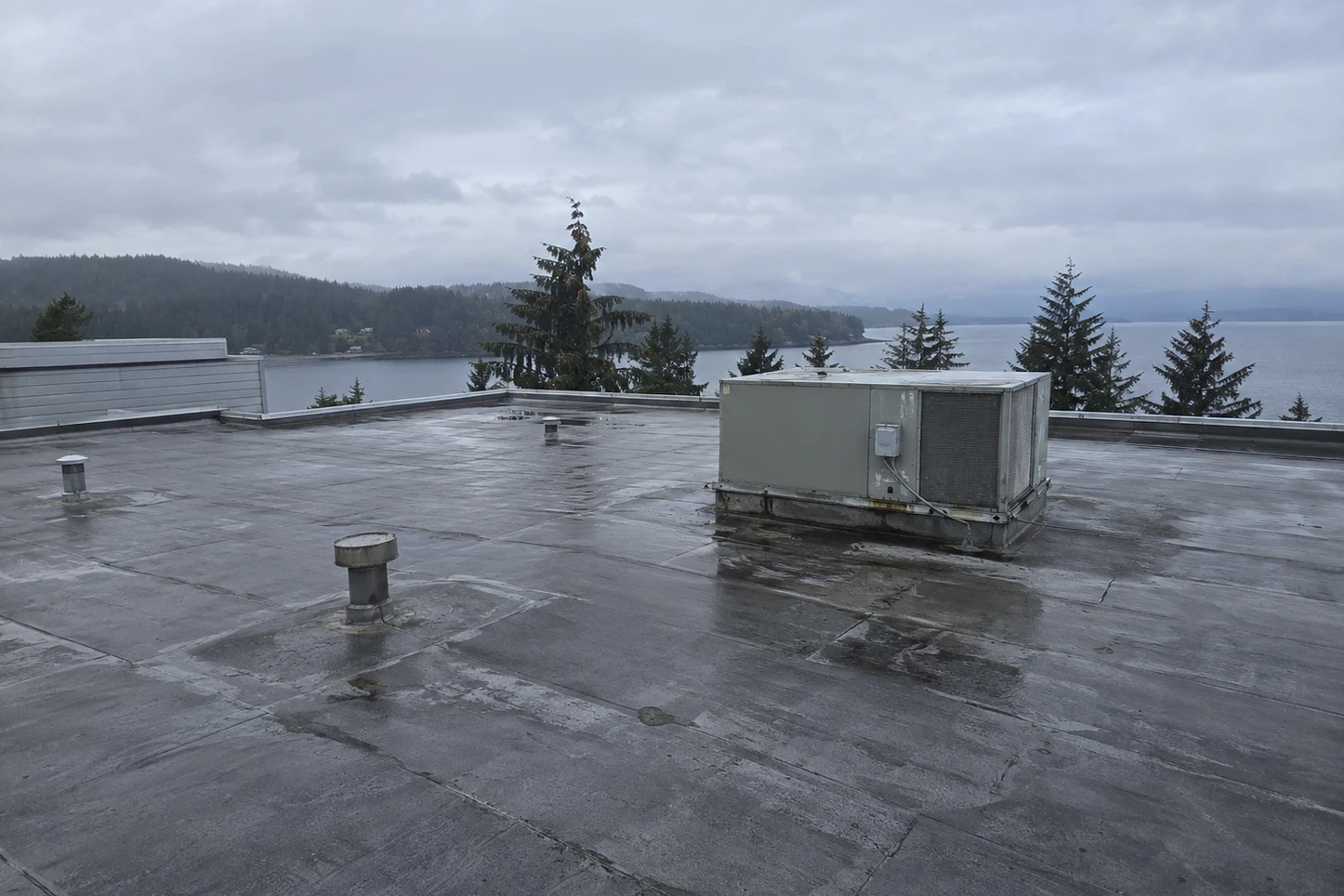
A public roof is bought twice. First on paper, then on the roof. The paper stage is a request, a ranking and a vote. The roof stage is a crew and a forecast. In Bellingham, WA the forecast is the harder part. About 34.8 inches of rain fall in a year, November being the wettest month, and the dry window for tear-off is short. A project that slips past September waits a year. A leak that opens in October waits for the same budget cycle as everything else.
We write for the paper stage. Every roof gets a grade, photographs and a cost range. A budget analyst, an elected board and an auditor can each read them without translation. The dry-in dates go on the calendar before the bid closes.
Elected bodies want short answers. Which roof fails first? What does it cost? What does waiting add? We put those three answers on page one of every report and the detail behind them. A council member can read it in five minutes. A staff engineer can check every number.
Overview
Roofing for Cities, Counties and Public Agencies
The public building set
The City of Bellingham employs about 936 people, and its buildings run from offices and libraries to maintenance yards and community space. The Port of Bellingham, a public body, owns Bellingham International Airport and also holds the Bellingham Shipping Terminal and three industrial parks: Fairhaven Marine and Industrial Park, Airport Industrial Park and Marine Drive Industrial Park. Lummi Nation is a large employer, with about 2,083 jobs. The U.S. Coast Guard runs a station at Squalicum Harbor.
Each holds roofs with different jobs. A shop covers equipment. A terminal covers cargo. A library covers collections. We grade each for what lies beneath it and rank accordingly.
Priority follows use, not owner. An emergency operations room, a records vault and a dispatch center cannot take water. Their roofs get extra weight in the grade. A recreation center with a failing membrane over a pool deck ranks above an office wing with a minor stain. We state the weighting in the report so a board member can see why a smaller building ranks above a larger one.
Documents that survive audit
Public work is documented differently. Scopes are written to be bid. Quantities are measurable. Substitutions are controlled. We prepare condition reports and scopes of work that a purchasing office can use, with defined materials, performance standards and photographs of existing conditions.
We also keep the field record auditors look for. Dated daily logs. Delivery tickets. Inspection notes. Photographs of hidden layers before they are covered. If decking proves rotted or insulation proves saturated, a change request goes in with the evidence and a unit price. The record shows what we found and when. That keeps the change defensible.
Insurance and risk pools often want maintenance evidence. A dated inspection with photographs and a repair record shows the agency has managed the building. It helps if a loss ever needs explaining to the pool's adjusters.
A roof inventory the board can read
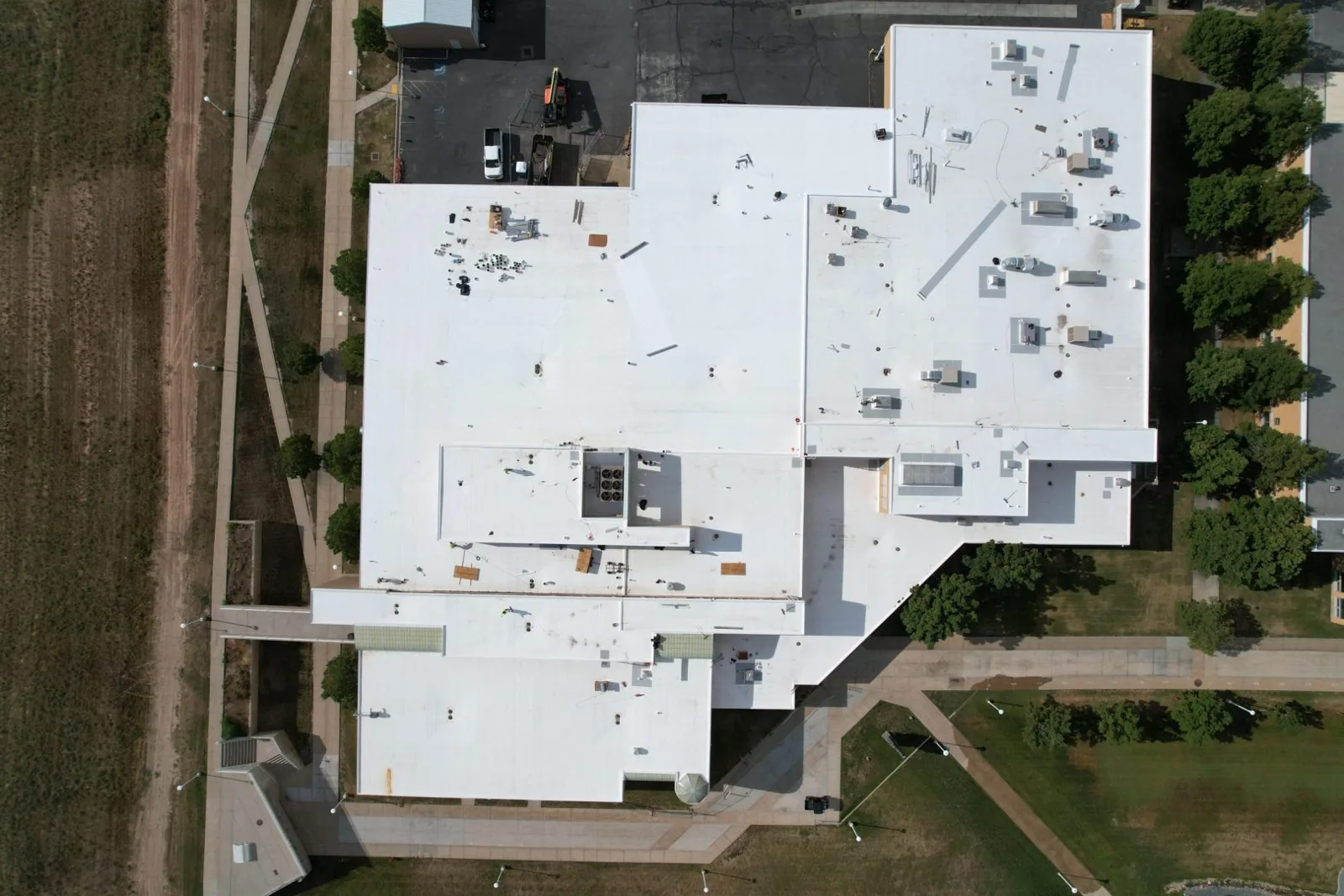
An agency may hold a list of roofs with little data behind it. We build or refresh the inventory. Age. Type. Area. Condition grade. Known leaks. Recommended action. Then we rank the buildings by consequence and cost. A public works manager can show the board that three roofs hold most of the risk and a modest spend on two others buys several years.
The same inventory feeds roof capital planning for the multi-year budget. When a wet winter or a storm moves a date, the register shows it. The agency adjusts rather than discovers a failed roof in a gale. Replacement ranges flag any insulation change the 2021 Washington State Energy Code triggers, since it has applied statewide since March 15, 2024.
Infrared surveys help where leaks are reported and the source is unclear. One scan saves a crew many return trips. The map is a clean exhibit for a budget hearing: the wet area is outlined, measured and priced. Moss lines and ponding stains, common in a damp city, back it up.
Keeping services open
Public buildings rarely close for a roof. Permit counters, courts, libraries and community centers serve the public daily. We work in sections. Entrances stay covered. Loud steps move to off-peak hours. Notices go to staff and visitors in advance.
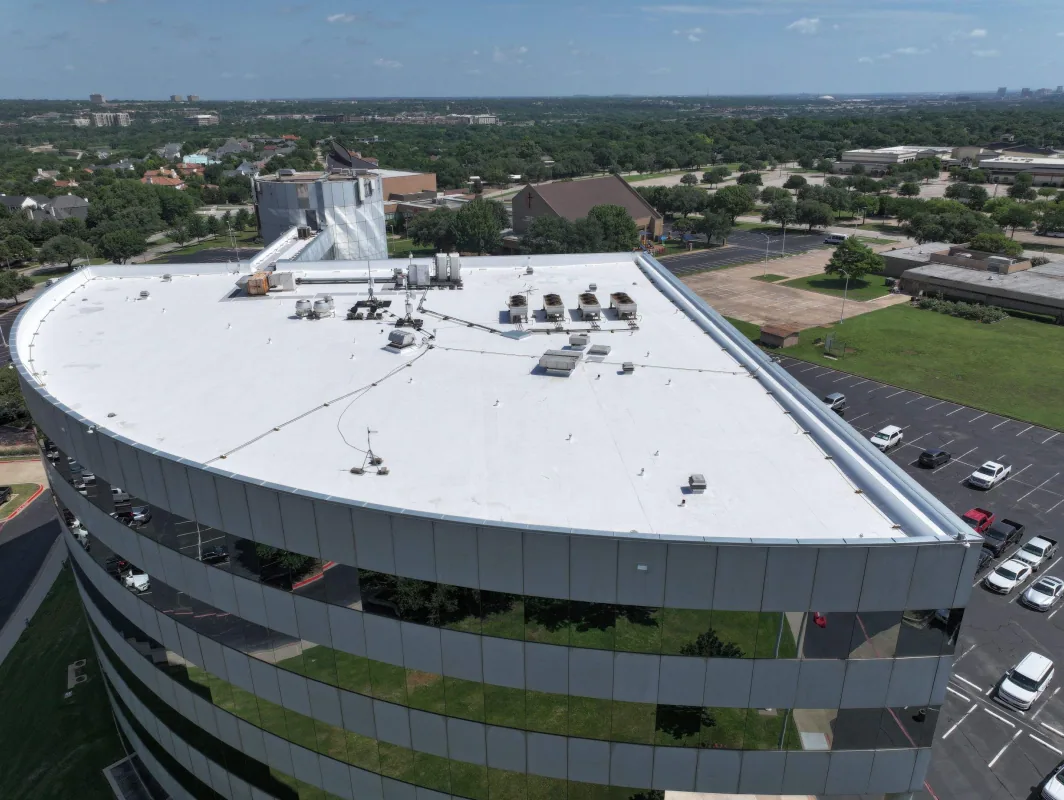
Buildings with security screening need access paths agreed ahead. Tools and material stay controlled. The method follows occupied building reroofing, with public accountability on top. A government building roof gets a closeout walk with the facilities lead and a photo set for the file.
Emergency repairs are part of the relationship. A storm can open a roof on a weekend. Our emergency line answers at any hour. We dry in the building, record the damage and report to the facilities manager in language that goes straight to the finance office.
Wind, moss and the storm file
Bellingham took 67 mph gusts in March 2016. In November 2024 a bomb cyclone swept damaging easterly winds across Sudden Valley, and 22 South Whatcom Fire Authority storm incidents followed. Public roofs take the same wind as private ones. The difference is the paper trail.
We record edge fastening before the storm, so after it the agency can show what changed. Photographs go in the file with dates. Moss and algae, which grow in a city with about 1,866 hours of sun a year, get treated on the fall pass. A storm report that separates wear from damage helps the agency in front of its insurer or risk pool.
Public work moves slowly, so we keep estimates open to clarification and update the register at each step. A project that spends a year in review is not working from stale numbers. Unit prices stay in the estimate, so a change after approval prices the same way as the base.
Coast Guard, port and tribal property
Some public property has its own rules. U.S. Coast Guard Station Bellingham sits at Squalicum Harbor and houses up to 48 people. Federal sites bring access, escort and criteria steps, as in military installation roofing. Port property near the water takes wind off the bay. Tribal and other sovereign owners set their own procurement rules, and the agency's requirements decide the path.
We read each agency's requirements before pricing, ask early about conflicts and plan the schedule around them. The school district pattern is similar: summer-only work windows and bond-cycle budgets.
Coast Guard and similar federal work follows a specification. Substitutions need approval. Flashing details get submitted. Field tests may be witnessed. We read the spec in full before pricing and keep daily records tight enough to match the submittal file.
Commercial Roofing Questions
Can you help prepare a roof request for the budget process?
We supply the condition grade, photographs, repair options and cost ranges. The agency's staff assembles the formal packet and the argument.
How do you handle prevailing wage and bonding?
Public contracts carry their own requirements, and we follow whichever apply, including payroll records in the required form. The contract documents set the specifics.
What if hidden damage appears after the contract is signed?
We stop, photograph and document it, then submit a priced change request with the evidence. Nothing proceeds on that item until the agency approves.
Do you work on port buildings near the water?
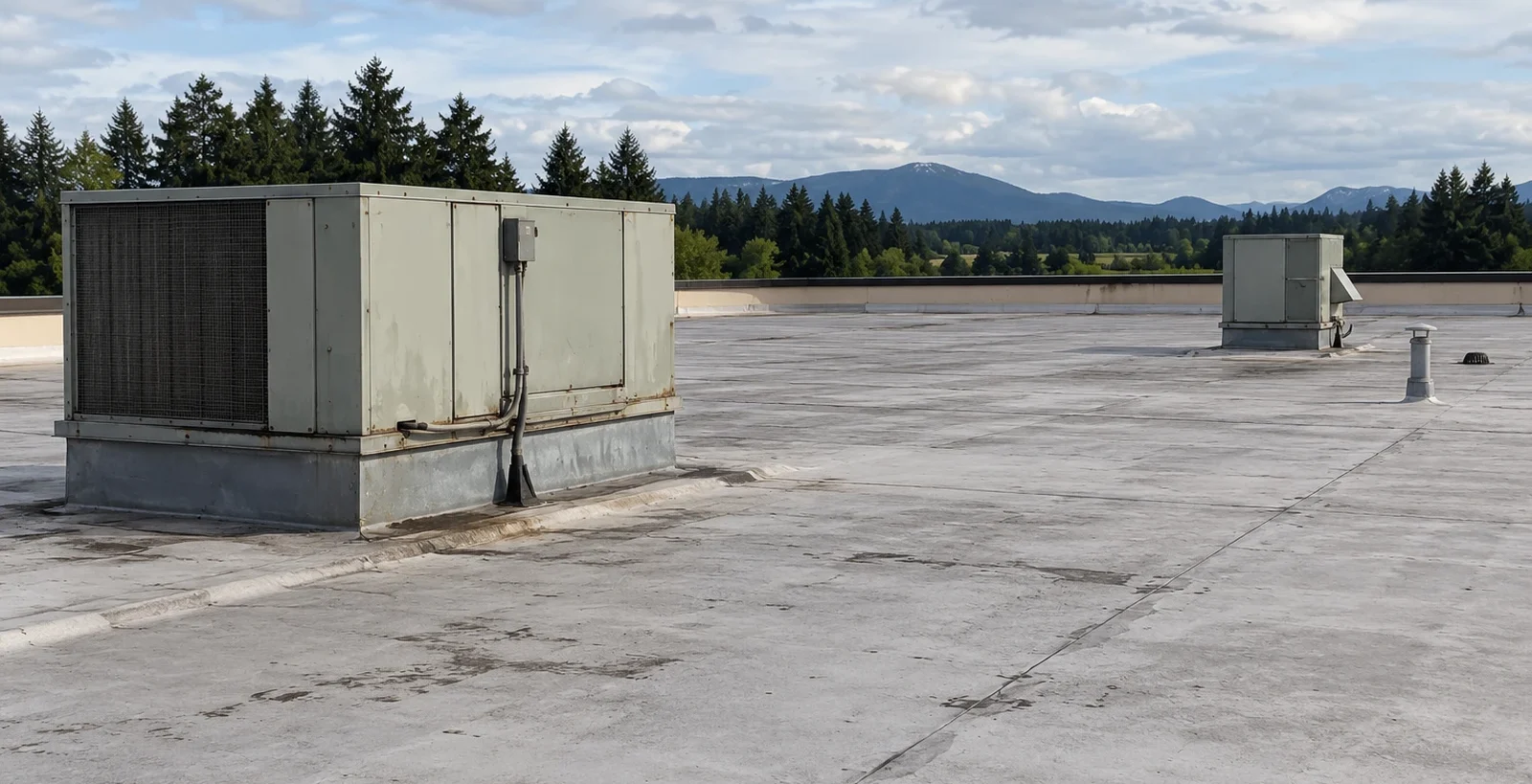
We plan for wind and corrosion there: coated or stainless metal, tight edge fastening and a shorter visit interval.
Can you coordinate with a general contractor on a larger agency job?
We do. The general contractor gets our schedule, submittals and dry-in status, so interior trades sequence correctly.
Send the facilities list and the budget calendar
Send the buildings, roof ages and the dates your requests are due. We will return graded findings and priced lines your board can act on.