Roof Asset Management in Bellingham, WA
Roof asset management for Bellingham, WA portfolios: a roof-by-roof record of age, condition and next action, kept current so budgets match what the roofs need.
Roof Asset Management in Bellingham, WA
Roof asset management for Bellingham, WA portfolios: a roof-by-roof record of age, condition and next action, kept current so budgets match what the roofs need.
Roofing Capabilities
Roof Asset Management in Bellingham
A spreadsheet row that says only "TPO, 2011" is a guess about a roof nobody has walked lately. A real record carries the seam condition, the drain count, the moisture readings and the date of the last probe check. In Bellingham, WA, where a wet season pushes water into every weak joint, the difference between those two records shows up as a leak on a Friday evening.
Roof asset management is the habit of treating each roof as a line item with a known state and a known next step. We build the record, walk the roofs, and update it on a schedule. The owner sees which roofs can wait, which need work this summer and which belong in next year's capital request.
Overview
Roof Asset Management
What goes in the record
Each roof gets a file. It holds the system type, the approximate age, the insulation and cover board, the drainage layout and every penetration we can count. Photos of each elevation and each detail sit beside the notes.
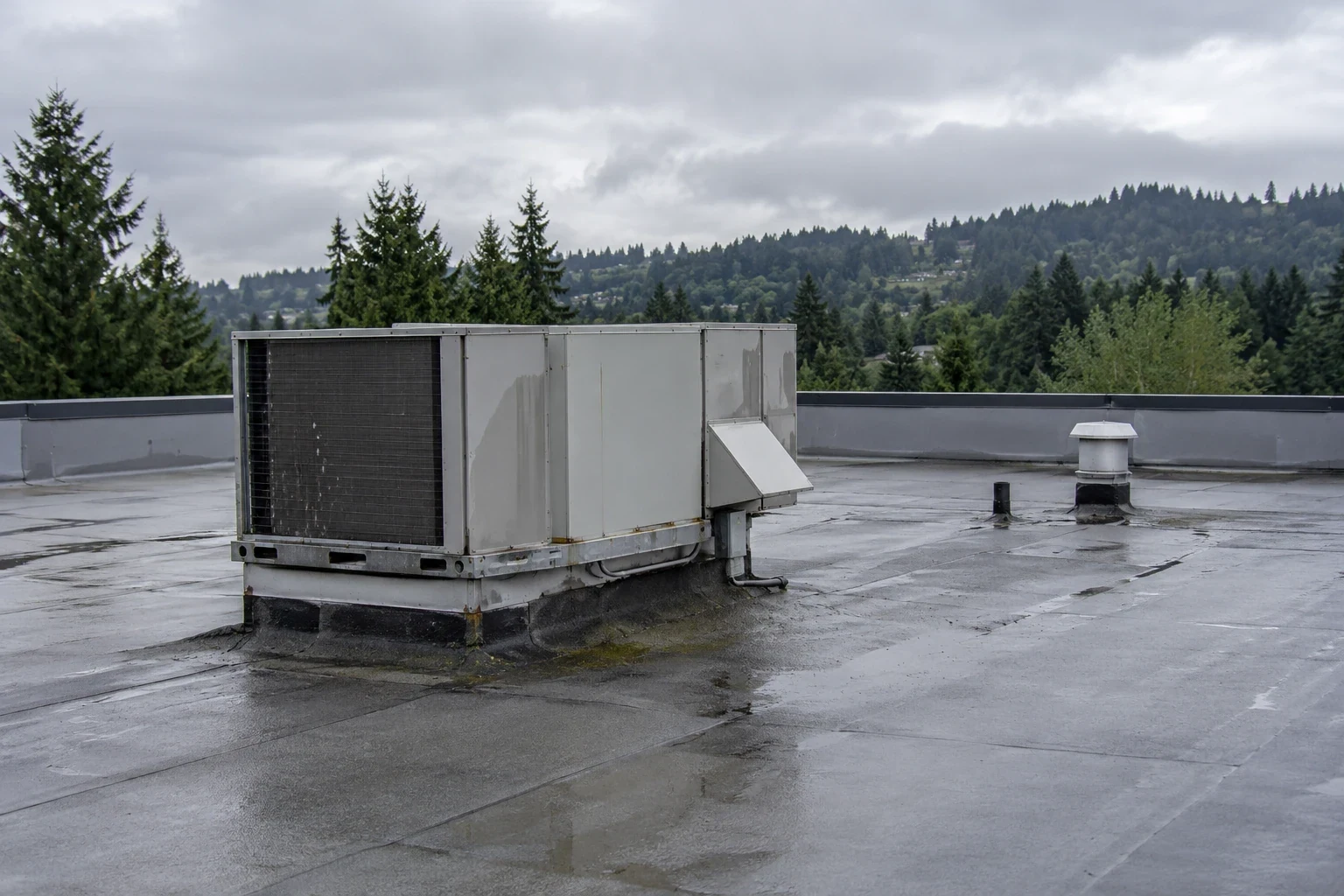
Condition is rated at the component level. Field membrane, seams, flashings, edge metal, drains and curbs each get a grade, so a roof with a sound field and a tired parapet reads differently from one that is tired everywhere. A single score hides the repair that would fix it.
Moisture data goes in when we have it. A scan or a set of core cuts tells us whether the insulation is dry. That one fact decides whether a roof is a coating candidate, a recover candidate or a replacement. Without it, the record is guessing.
Access is part of the record too. Where the roof hatch sits, whether a ladder or a lift is needed and which tenants hold the keys all change how fast a crew can respond. A roof that takes an hour to reach is a roof where a leak call costs more.
Warranty status goes on the file. The manufacturer, the date and any open conditions are recorded, so repairs follow the terms. The record keeps the warranty dates visible, and warranty management turns them into action.
The walk and the schedule
We walk each roof on a set cycle and again after a major storm. The cycle follows risk. An older roof with ponding gets more visits than a young one with clean drains. The record states the next visit date for every building.
Bellingham weather sets the timing. A walk in late summer finds what the wet season will exploit, and a walk in spring finds what winter did. The March 2016 gusts of 67 mph and the November 2024 bomb cyclone show why a post-storm walk belongs on the calendar, with edge metal and flashing checked before the next front.
Findings go into the file the same day. A defect that is noted and not repaired stays on the list with a date and a cost, so it cannot drift out of sight.
Exposure sorts the roofs. Sudden Valley took the easterly storm winds of 2024, so edges there get a closer look. Roofs at Fairhaven and along Marine Drive sit near the water and its salt. Roofs in Cordata and along the Guide Meridian sit on the city's main northern commercial route, where the building types mix. The record notes which exposure each roof carries and sets the checks to match.
Drones, moisture and the written grade
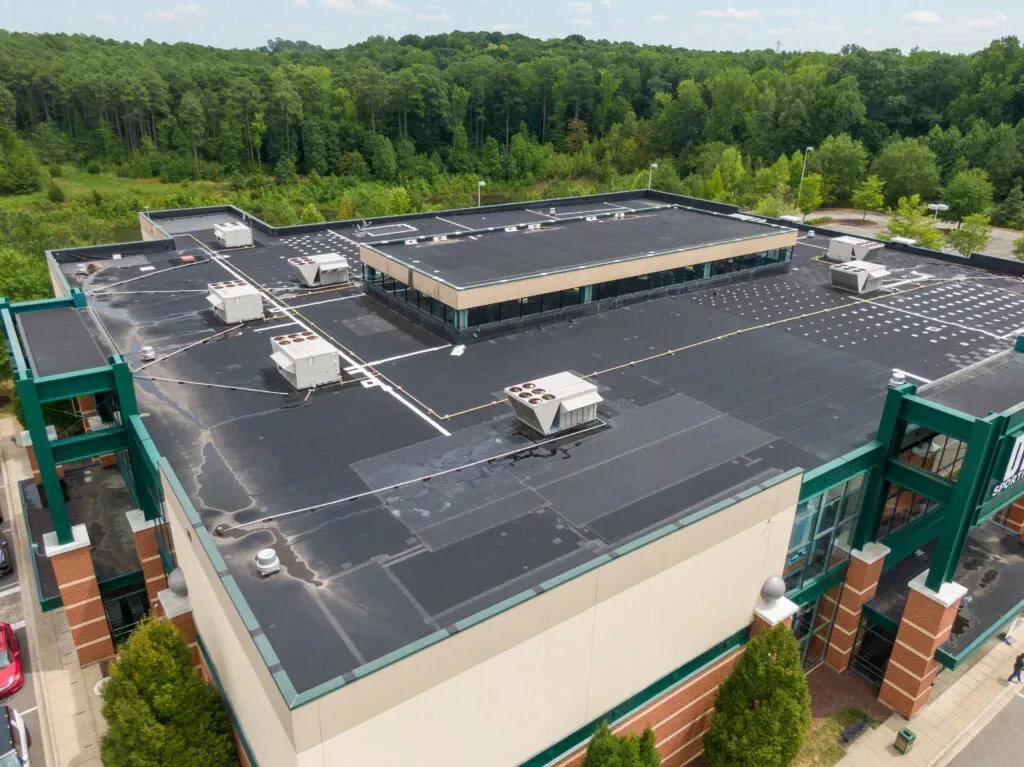
Large roofs and tall buildings are faster to read from the air. A drone inspection covers a large retail roof in a fraction of the time and without putting a person on a wet surface. The images go into the file with the date.
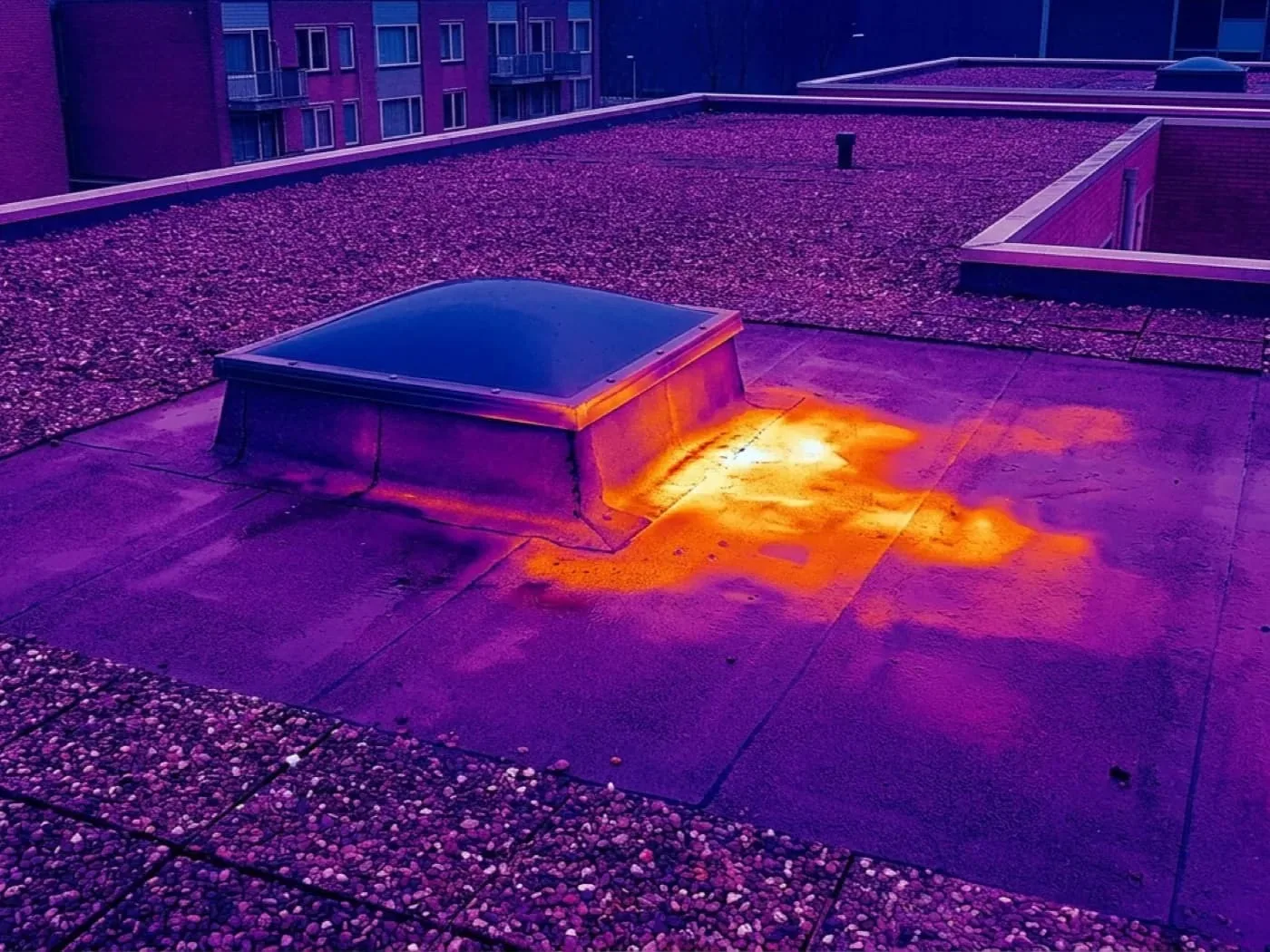
An infrared moisture survey maps wet insulation, which no photo shows. We schedule it for the right conditions, usually a clear evening after a sunny day, and mark the wet zones on the plan.
The written grade ties it together. Our condition reports record each component, give a remaining-life range and list actions in priority order. The asset record is the running total of those reports.
From record to budget
The record is worth little if it does not reach the budget. We sort roofs into three groups: leave alone, maintain or repair, and plan to replace. Each group gets a cost range and a year.
That feeds capital planning, where replacements are timed so the money lands before the roof fails and not long after. Spreading replacements across several years smooths the budget and avoids a cluster of failures.
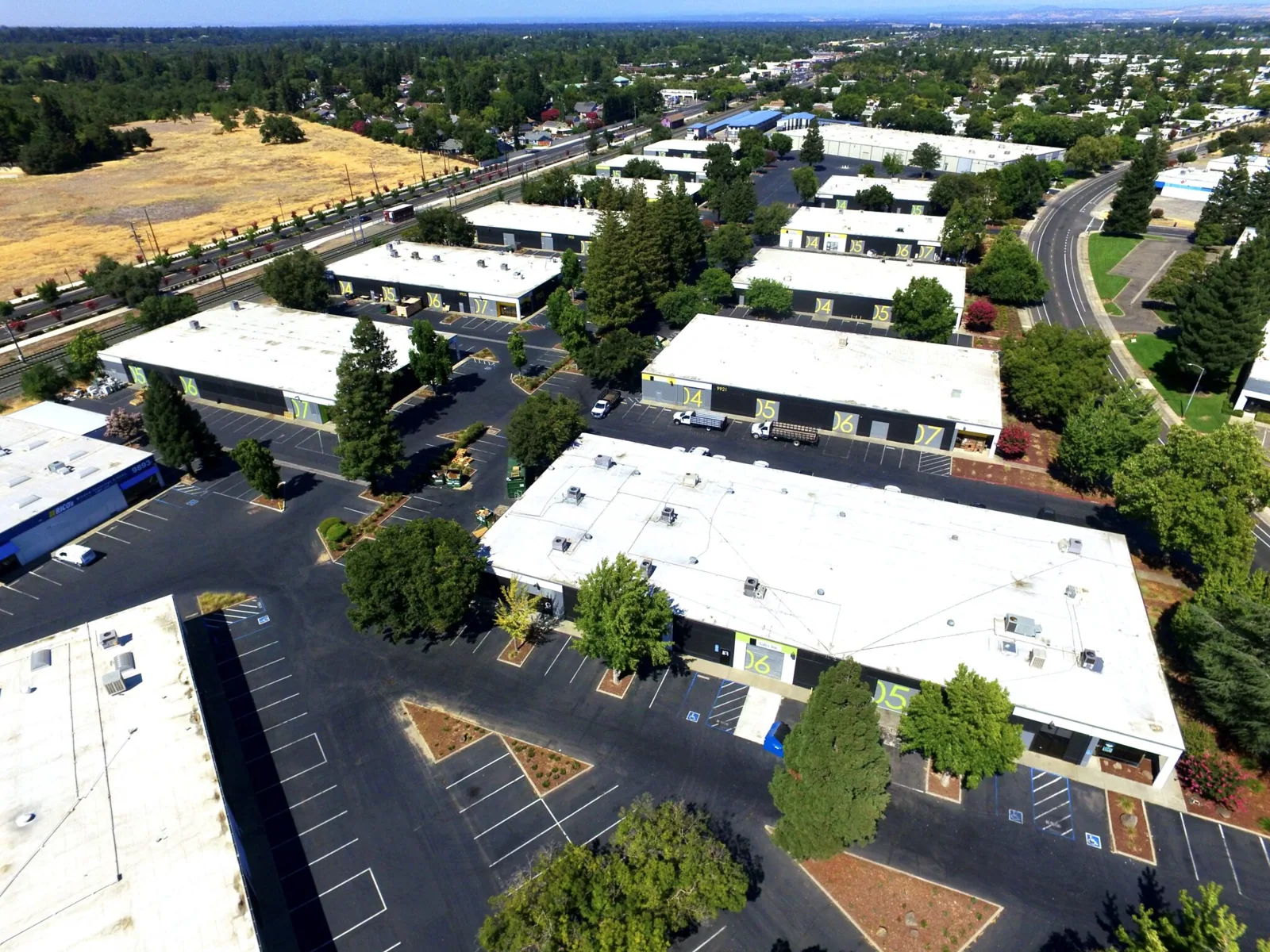
For owners with many properties, the same record supports a multi-site program, where work is bundled by region and season to save mobilization costs.
The numbers behind each decision stay in the record: repair cost this year against the cost of replacing early, with the leak risk in between. An owner who can see both figures can choose. Without them, the choice is made by the next leak.
Different buildings, different clocks
A hospital roof near PeaceHealth St. Joseph runs on a shutdown calendar. A school roof at Western Washington University or Bellingham Technical College runs on the academic year. A Port of Bellingham warehouse runs on tenant leases and freight schedules.
The record notes each constraint. When the owner asks for a replacement date, the answer accounts for the building's own calendar as well as the roof's condition. A roof that needs work in October but sits above a clinic may have to wait for a planned closure.
Roof type changes the clock too. A TPO roof is checked at the welds and flashings. A standing seam metal roof is checked at clips, trim and seams. Each system has its own failure pattern, and the record lists it.
Keeping it current
Records go stale. We tag every entry with the date and the source of the reading, so a two-year-old moisture scan does not pass for a current one. Entries that are out of date are flagged, not trusted.
The owner owns the record. It lives in a format the owner can open and edit, with photos and plans attached. If the owner changes roofers or property managers, the file goes with the building.
For service in downtown Bellingham and across the county, we start the record with the oldest and wettest roofs, since those carry the largest risk per dollar.
Reporting matches the reader. A property manager gets a roof-by-roof list with next actions. A finance lead gets cost ranges by year. A general contractor preparing a bid gets the layout, penetration counts and moisture findings. One record feeds all three views.
Commercial Roofing Questions
How many roofs does a portfolio need before a record pays off?
One roof with a history of leaks can justify it. The value grows with the count, because the record lets an owner rank roofs against each other. We start with the two or three that worry the owner most.
What does a first walk cost the schedule?
A single roof takes part of a day, including photos and probes. A portfolio takes weeks, sequenced by region. We book dry days for the walks, since a wet roof hides defects.
Can you build the record from old drawings alone?
Drawings give the system type and the layout, but they do not show today's condition. Drawings start the file and the walk completes it. We mark which fields come from paper and which from the roof.
How often is the record updated?
On the walk cycle, and after storms or repairs. Higher-risk roofs are updated more often. Each entry carries its date so age is visible.
Does the record help with insurance?
Dated photos and condition notes show the roof's state before a loss. When a storm hits, the owner has a baseline to compare against, and that speeds the claim file.
Send the building list and the oldest roof first
Send the property list, the roof ages you know and any drawings. We will price the first walks by building and set the visit cycle before the next wet season.