Cool Roof Installation in Bellingham, WA
Reflective commercial roofs in Bellingham, WA: where a white membrane pays back, where it only stays damp, and how we schedule the install.
Cool Roof Installation in Bellingham, WA
Reflective commercial roofs in Bellingham, WA: where a white membrane pays back, where it only stays damp, and how we schedule the install.
Commercial Roofing Services
Cool Roof Installation in Bellingham
White membrane costs more than gray in some systems and the same in others. The real price is what it earns back. Bellingham, WA logs about 1,866 hours of sun a year, which is low. A reflective surface needs sun to do its job, so we ask what the building actually does with the heat before we talk color.
Some roofs here gain a lot from reflectance. Others gain little and collect moss on the white. We sort the two before the bid, because the answer changes the system, the schedule and the number on the line.
Overview
Cool Roof Installation
What the sun gives here
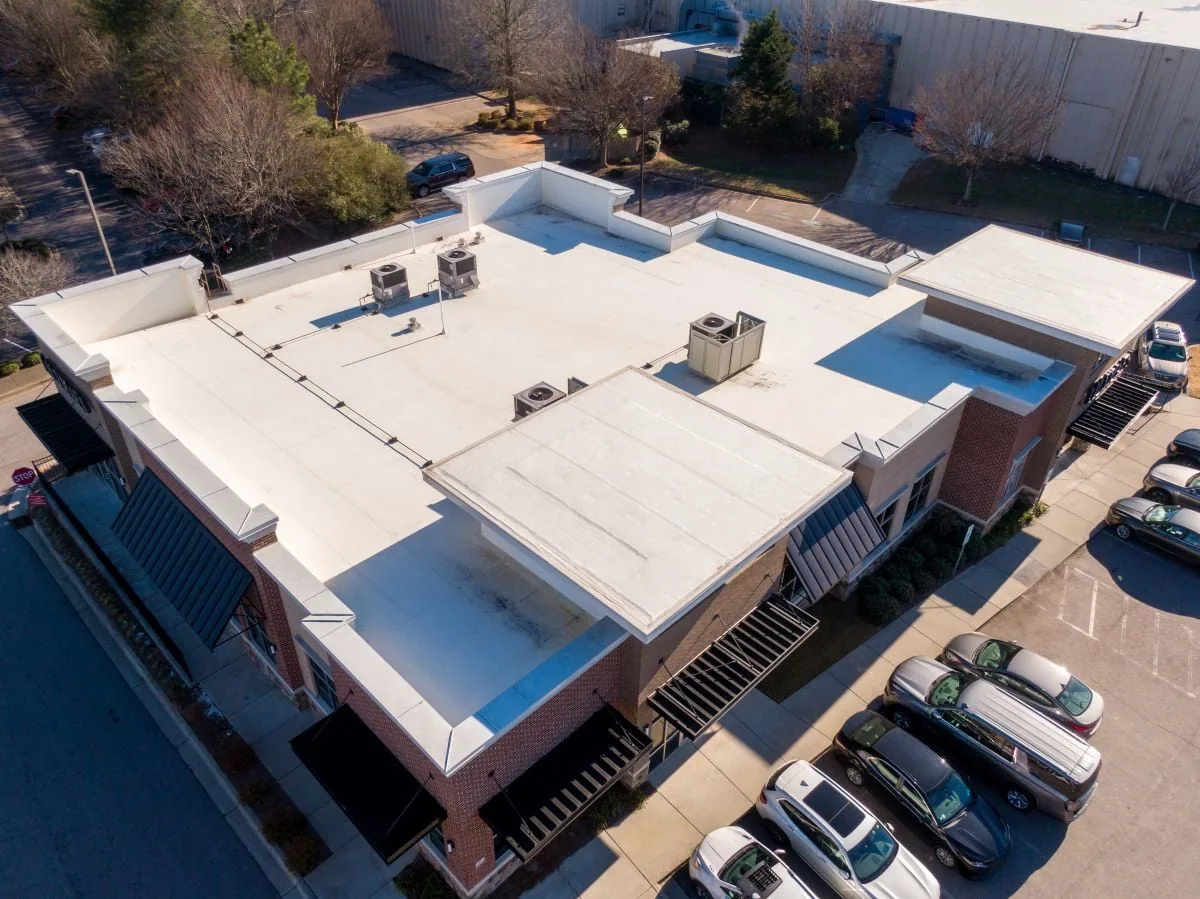
Reflective roofing bounces solar energy away from the surface. That lowers the roof temperature on a hot afternoon and cuts the load on the cooling plant below. The saving scales with sun hours and with how much the building cools.
Bellingham has mild summers and long gray stretches. A warehouse with no air conditioning gets almost nothing from a white surface. A roof with rooftop units pushing cold air gets more, and a server room or a refrigerated space gets the most.
The wet season works against the white membrane. Dirt, algae and moss darken a reflective surface in a few seasons, and low sunshine slows the drying that keeps it clean. A cool roof here needs a washing plan, and the owner should see that line on the bid.
Which membranes qualify
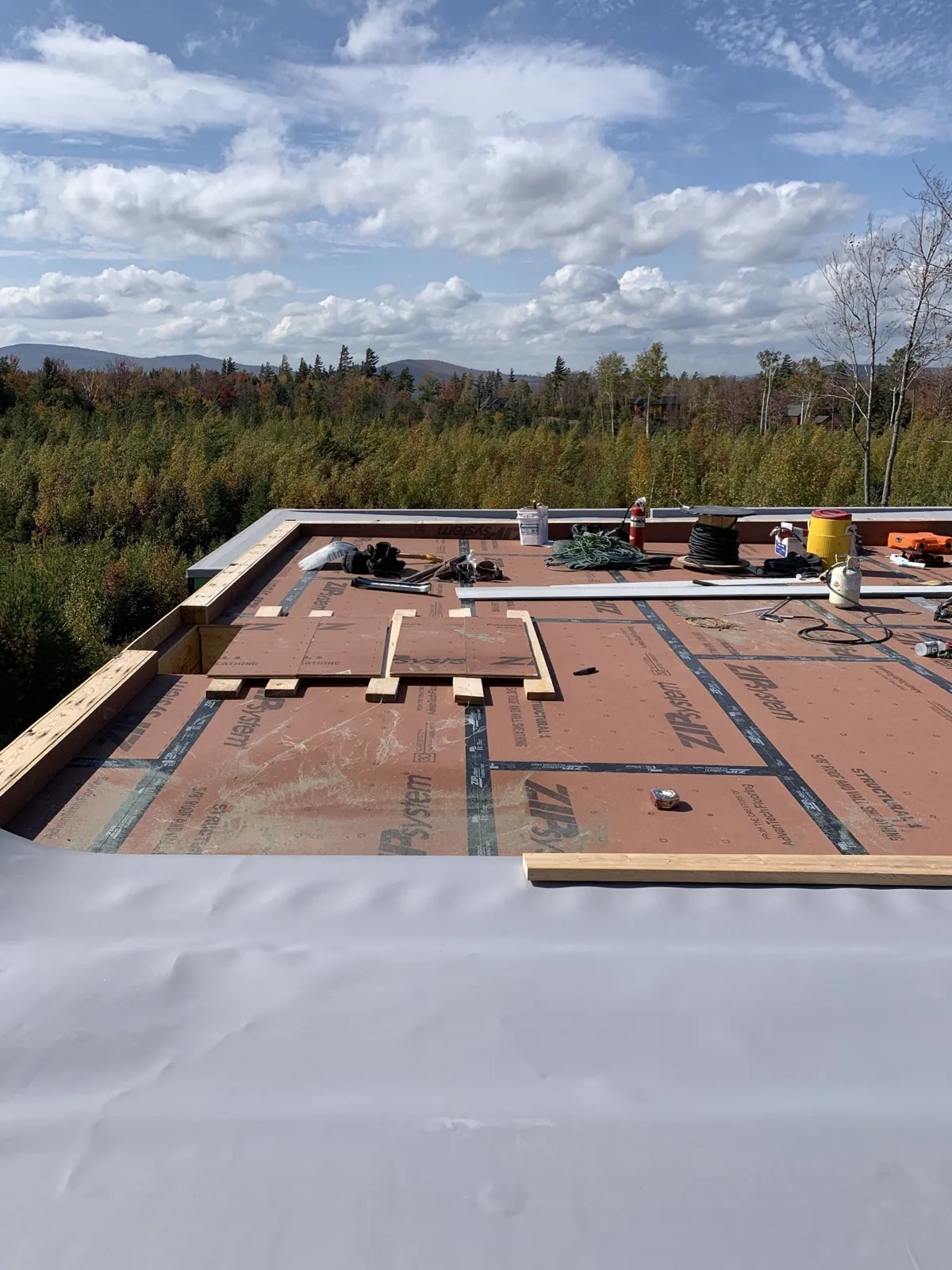
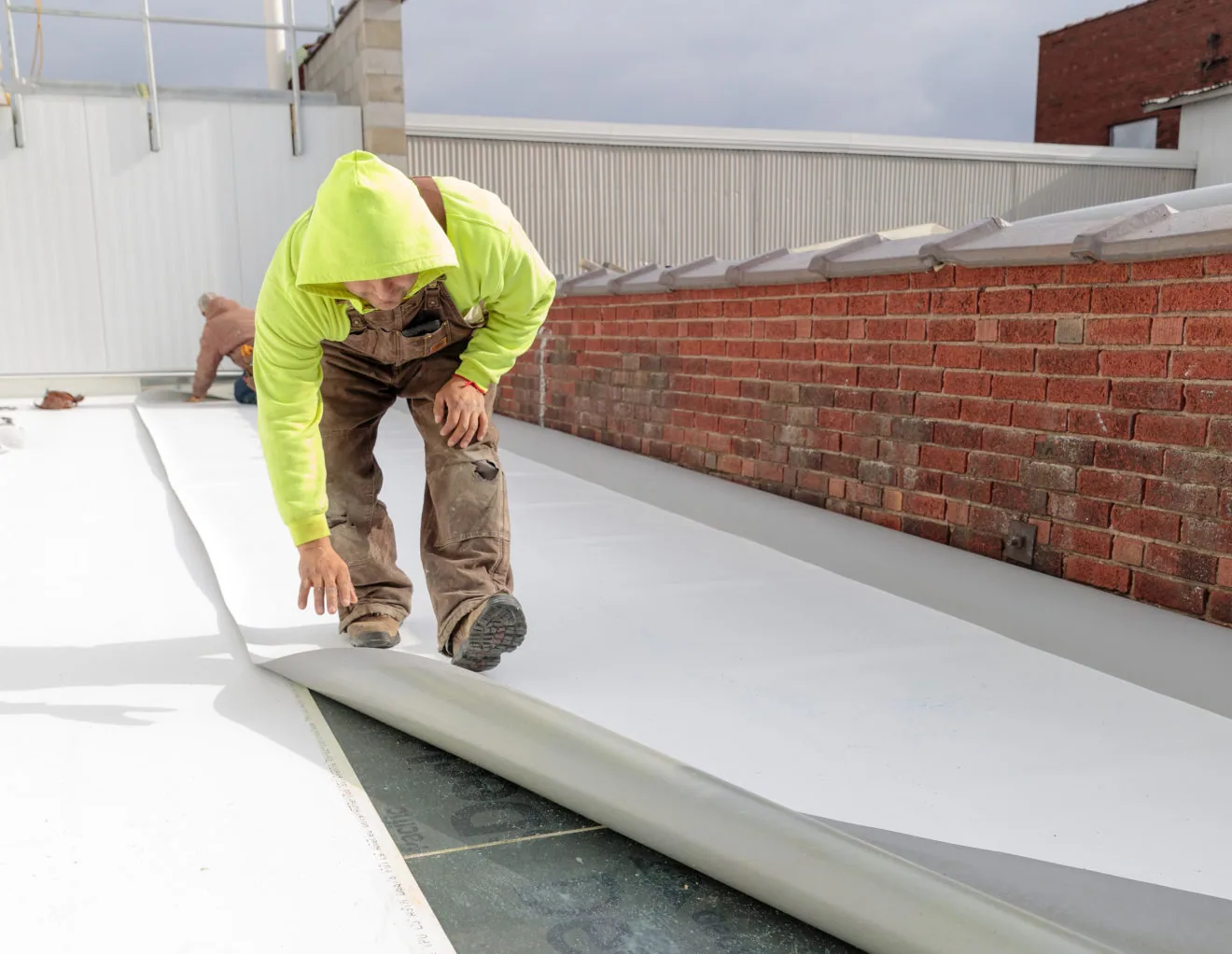
White TPO is the common choice, since the reflective surface is part of the sheet. White PVC performs the same way and resists chemical exposure better. Both weld at the seams.
Existing roofs can be made reflective without a tear-off, a route covered in coating restoration. Acrylic coatings and silicone coatings go over a sound membrane or metal panel and bring the surface up to a reflective one. Silicone sheds ponded water better. Acrylic is cheaper and wants a slope that drains.
A coat only works over a dry, sound roof. We probe, scan for moisture and repair before the first pass. A coating on a damp roof traps the water and fails at the seams.
What it costs
Cost splits three ways. The material, the surface prep and the washing plan that keeps the finish bright. The prep is the biggest swing, because it depends on how much repair the old roof needs.
For a coating, price follows area and the number of passes. Cold nights and dew limit the install window, so the crew needs a run of dry days. That calendar is a cost, not a footnote.
For a new membrane, the reflective sheet may cost close to a gray one. The difference sits in the detail work at curbs, walls and drains, which is the same either way. We list the reflective option as a line the owner can add or drop without redrawing the bid.
Maintenance matters as much as install. A cool roof that is never cleaned stops being cool. We write the cleaning interval into the closeout so the owner knows what it takes.
Energy code and insulation
Washington adopted the 2021 Washington State Energy Code commercial provisions statewide on March 15, 2024. Insulation levels, air barriers and assembly details on a replacement fall under that code. A cool roof is a surface choice laid over the insulation, not a substitute for it.
When a roof comes off, the insulation below usually has to meet current levels. That adds thickness, and thicker insulation raises every wall flashing and curb. A cover board and insulation upgrade changes the heights we plan for. We confirm these with the design team before ordering.
A reflective membrane over an under-insulated roof is a half measure. The surface cools, but the heat still leaks through in winter. We flag the thermal story and let the owner decide how much to spend on each layer.
Where it earns its keep
Cold storage and food processing buildings shed the most refrigeration load through a reflective roof. Where a distribution building in the Airport Industrial Area carries cooling plant, that plant works against the sun on every clear day.
Medical buildings run cooling year-round for equipment and air quality. Around PeaceHealth St. Joseph, any roof that carries air handling units runs that equipment most hours. Cutting the roof temperature eases that duty.
The craft breweries in older light-industrial buildings around Bellingham often cool fermentation space with mechanical systems. A reflective surface on a low-slope roof can reduce the peak load there. We check the existing roof first, because a reflective surface only pays back over a membrane that is dry and sound.
Retail around Bellis Fair pays to cool the whole sales floor, so the reflective option is worth pricing there, though the saving varies with the store.
Ferndale has a different mix. Its industrial zone sits east of the Nooksack River, and a reflective surface helps there only where the interior is cooled. We read the mechanical plan before we offer the color.
Fairhaven adds a rule of its own. The district carries 19th-century style rules for new buildings, so a bright white field may draw design review. We ask the design team early, since a review comment can add weeks to the submittal.
When to install
Dry weather decides it. Membrane welding needs dry seams, and coatings need dry surfaces and mild temperatures to cure. July is the driest month, and we aim cool roof installs at late spring through early fall.
Reflective work installed in November takes longer and cures worse. We say so before the contract and offer to hold the finish coat until the next dry window. A base repair can go in earlier, with the reflective layer scheduled behind it.
Submittals take time. The general contractor needs the reflectance data, the product sheets and the warranty terms in hand before ordering. We send these early and flag the lead time on the schedule.
Commercial Roofing Questions
Does a white roof save money in a low-sun city?
Only where the building cools a lot. A cooled distribution space or a medical roof gets a real return. An unconditioned warehouse gets little. We look at the mechanical load first and price the reflective option only where it has a case.
How fast does a cool roof lose its finish to moss and algae?
Within a few wet seasons if no one cleans it. Bellingham's damp air and low sun feed growth on a flat surface. A cleaning schedule, plus a roof that drains fully, keeps the surface bright. We write the interval into the closeout.
Can you make an existing gray roof reflective without a tear-off?
Yes, with a coating, if the roof is dry and sound. We scan for moisture, repair the seams and fasteners, and then coat. A roof with wet insulation needs the wet section cut out before any coating goes on.
Which costs less, a reflective membrane or a coating?
The coating costs less when the old roof is sound. A new reflective membrane costs more up front but replaces the old roof entirely. The right pick follows the age of the roof, not the color of the finish.
What does the energy code have to do with a reflective surface?
The code sets insulation and assembly requirements, and those apply to a replacement regardless of color. The reflective surface is an add-on choice. We separate the two on the bid so the owner can see which cost comes from the code.
Send the roof spec and the cooling load
Send the drawings, the mechanical schedule and your target dry-in window. We will price the reflective option as its own line, next to a standard system, before the bid closes.