Commercial Roofing in Glacier, WA
Commercial roofing in Glacier, WA, Whatcom County snow country on the Mount Baker Highway: snow shedding, steep-roof safety and a short summer work window.
Commercial Roofing in Glacier, WA
Commercial roofing in Glacier, WA, Whatcom County snow country on the Mount Baker Highway: snow shedding, steep-roof safety and a short summer work window.
Service Areas
Glacier in Bellingham
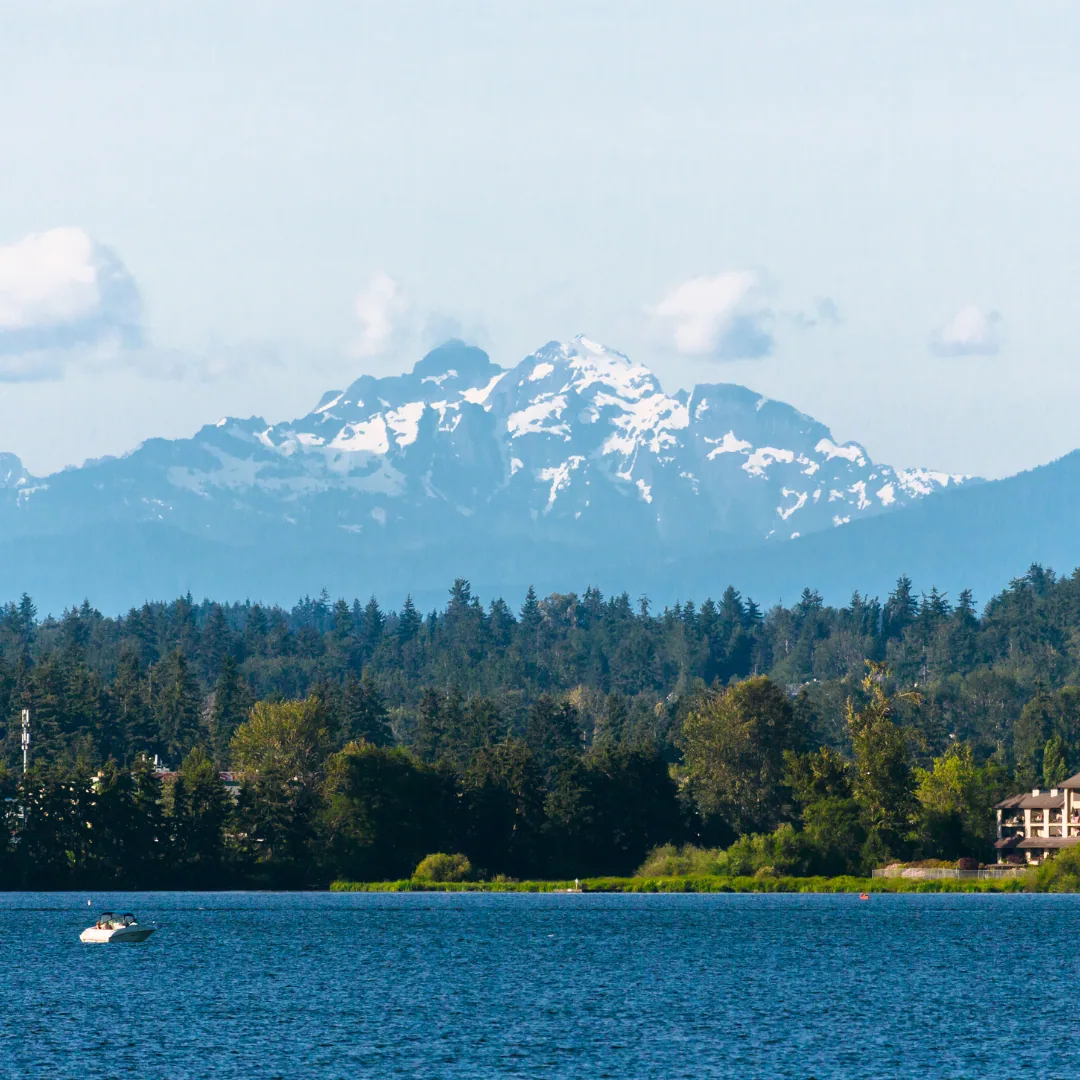
A short summer is the whole schedule. Glacier, WA counted 300 residents in the 2020 census. It sits in Whatcom County snow country at about 900 to 1,000 feet. The town was founded and named in 1909, interest in the area grew after the Mount Baker Highway was created in 1923, and the Mt. Baker Ski Area is roughly 20 road miles from town. A commercial roof up here has three jobs. Carry the load. Shed or hold the snow safely. Stay tight through freeze and thaw. We build the work list in spring, install in summer and keep winter visits to emergency seals.
Overview
Glacier
Carrying the winter
Snow load climbs with the ground. Mount Baker, at 10,778 feet, is the highest point in the county, and loads rise toward the foothills. The engineer of record fixes the design load for each site. Our walk checks how the roof is carrying it. We look for sag between supports, fastener backout, bent members and cracked finishes below. Drift zones get their own pass, since wind stacks snow against walls and taller equipment. A roof that held for years can show new stress after one heavy season, so every photo carries a date.
Footing is the second concern. A steep roof under ice needs a fall-protection plan before a boot touches it: tie-off points, lines, harnesses and a cleared work area. If the work cannot be done safely, it waits. The inspection after the melt is the visit that matters most. It shows dented panels, torn gutters, loose trim and ceiling stains, and every finding goes on a ranked list.
Shedding or holding the snow
A steep metal roof sheds snow in sudden slides, and the slide lands wherever the roof points. A walkway, a vehicle, an entry or a lower roof can sit in the path. Retention rails or guards hold snow on the roof until it melts in smaller amounts.
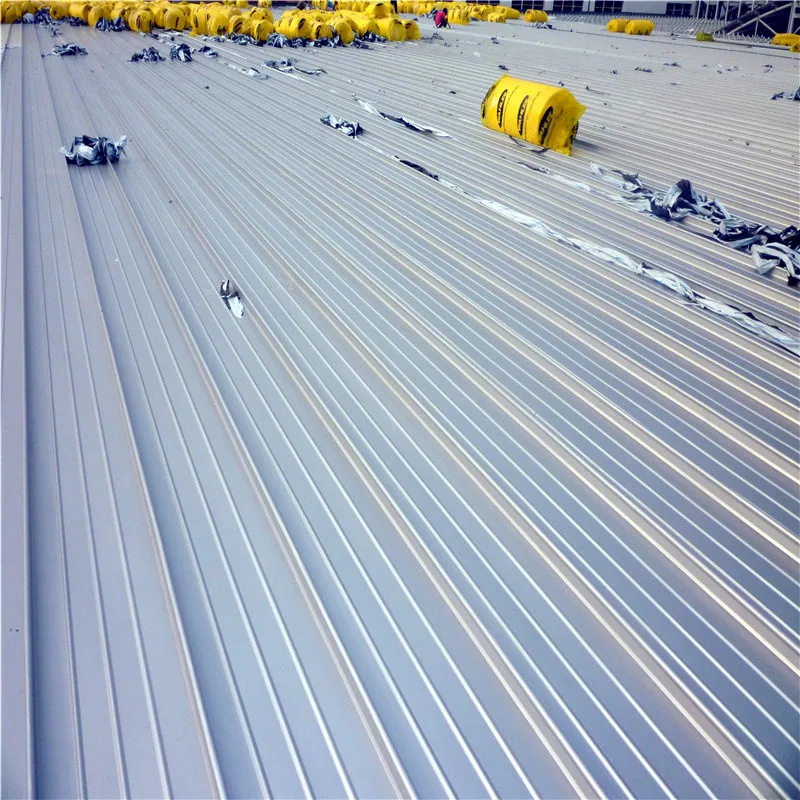
A standing seam roof takes clamp-on guards that grip the seams without holes. An exposed-fastener roof takes screwed guards with sealed washers, each one a place to check. The count follows the pitch, the load and what sits below.
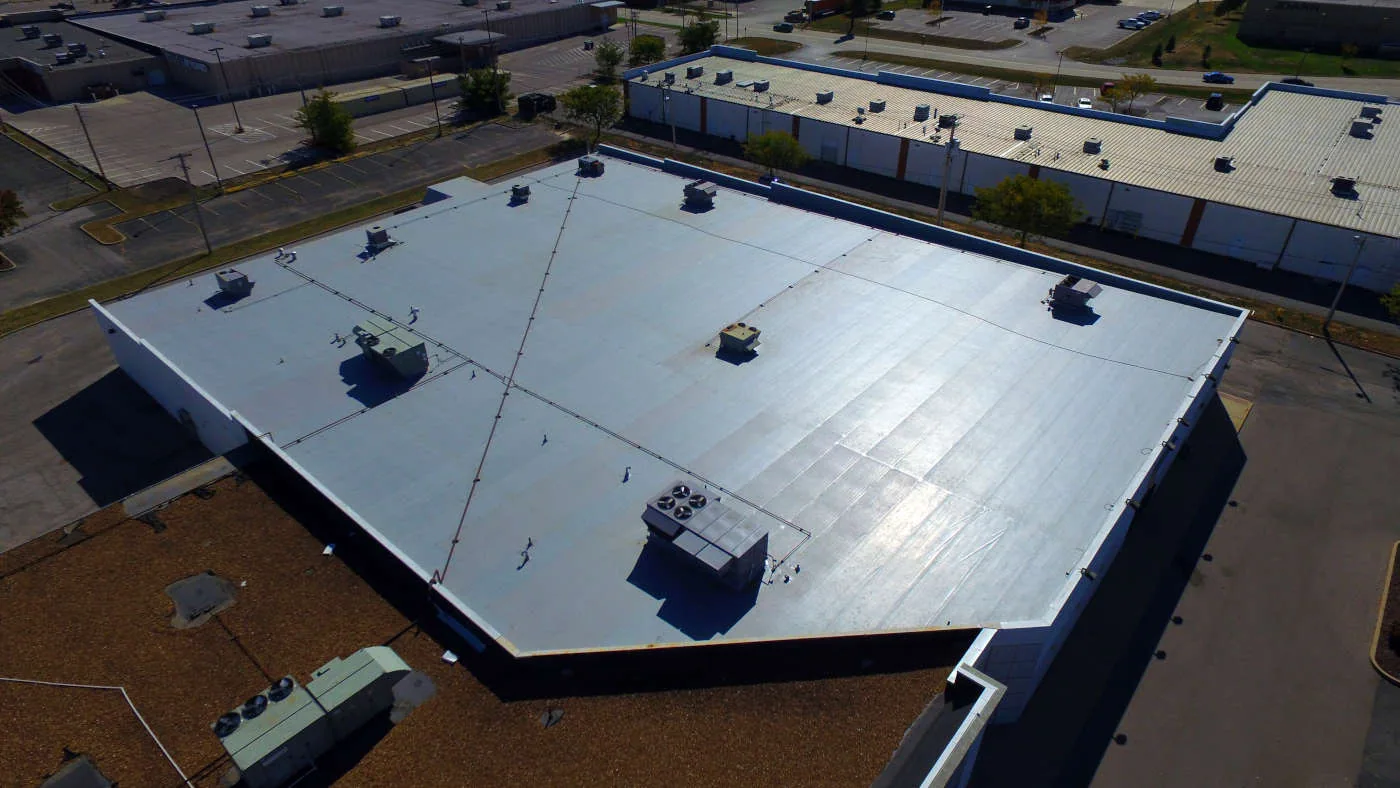
A low-slope membrane roof holds snow in place. It needs open drains, tight edges and enough insulation to keep the melt from refreezing at the eave. Each roof type answers the winter differently, and the right choice follows the building.
Heated buildings shed differently from cold ones. A warm roof melts snow from below and sends water early. A cold roof holds snow until the thaw. We ask how the building is heated and used in winter, since a seasonal building and a year-round one behave differently and need different details.
Ice dams and freeze-thaw
Warm air that leaks into a roof melts snow from below. The meltwater runs to the cold eave and refreezes into a dam that pushes water back under the roofing. The cure sits in the assembly: tighter air sealing, more insulation and better ventilation cut the heat, and heat trace holds a channel open at the eave. Freeze and thaw loosen fasteners and open laps, so we test a sample of screws for backout and probe every lap. Sliding snow strips gutters and ice packs what is left, so hangers go on close centers.
A snow and ice damage repair after a hard winter shows what the load and the cold did. Power is the catch. Heat trace needs electricity, and a storm that drops the line stops the trace too. Passive options, such as better insulation and wider eaves, keep working in an outage. A system that fails when the lights go out deserves a line on the bid.
The work window
Summer is the install season. For reference, Bellingham takes about 34.8 inches of rain a year and runs driest in July. Glacier has its own weather, so the schedule carries float. Welded seams, adhesives and coatings need dry surfaces and mild air, and a frost on the deck holds the crew off until it lifts. Remote work adds a checklist of its own. The truck carries spare fasteners, sealant, membrane offcuts and tools, because a run for parts costs hours.
Lead time sets the year. Materials ordered in spring arrive for a July start. Orders placed in August land in October, when mountain weather turns. We tie each order to a date and name the approvals that gate it.
Wind, edges and the road in
Edges meet wind first. Bellingham logged 67 mph gusts in March 2016, and easterly winds from a bomb cyclone crossed Sudden Valley in November 2024. A mountain site is open to the air, so coping, drip edge and fascia get close fastener spacing. The Mount Baker Highway is the other limit. Winter road conditions shape each trip, a snow day cancels a lift, and trucks and cranes need a clear approach. We book equipment early and confirm staging before the crew leaves.
Maple Falls sits lower on the same highway, and Acme and Kendall lie where SR 542 meets SR 547, so one trip can often serve more than one site.
What drives the number
Snow details move the number: retention rails, heat trace and heavier gutters each add a line, and travel and staging on a mountain road add more. The base follows roof system and condition, and the date follows the weather, since July work costs less than October work. A replacement reopens the insulation question under the 2021 energy code that took hold in March 2024, and the added thickness raises every curb and wall. Owners with several buildings can fold them into a multi-site program, which spreads the travel cost across the route. Mobilization is its own line. A crew that drives to Glacier spends part of the day on the Mount Baker Highway, so the bid shows the drive, the staging and a weather hold as separate items. The owner sees what distance costs and decides whether to bundle the visit with another site along the route.
Commercial Roofing Questions
How do you find out if a roof is overloaded?
By its signs: sag, cracks below, bent members and doors that stick. We probe the deck, check drift zones and call the engineer if anything looks damaged, and no one shovels a roof that may be compromised.
Do snow guards go on every metal roof?
Only where a slide can hurt someone or damage something below. Entries, walkways and parking are the usual places. We place them by use below, not by habit. Where a roof has no guards today, we mark the entries and walkways beneath it first, because those are the places a slide does harm.
What stops an ice dam from forming?
Less heat reaching the roof. Air sealing, insulation and ventilation help, and heat trace keeps a path open at the eave. The fix is often in the assembly, not the gutter.
What work can happen in winter?
Emergency seals and temporary repairs only. The permanent fix waits for dry, warmer mornings, so the roof is stabilized in winter and finished in summer.
How do you handle a remote site?
With a stocked truck, early material orders and a plan for staging. We bring spares of every critical part, since a trip for parts costs hours.
Can a repair wait for the summer window?
A slow leak often can, with a temporary seal and a dated plan for the permanent fix. An open seam over finished space cannot. We separate the two kinds of item on the list so nothing urgent waits behind something that can.
Send the roof plan and the winter damage notes
Send the roof plan, photos of any snow damage and your target window. We will price the repairs, the snow details and the travel as separate lines before the bid closes.