Commercial Roofing in Birchwood, Bellingham, WA
Commercial roof repair, recover and coating in Birchwood, Bellingham, WA, near the Bellis Fair interchange, planned around tenants and the short dry season.
Commercial Roofing in Birchwood, Bellingham, WA
Commercial roof repair, recover and coating in Birchwood, Bellingham, WA, near the Bellis Fair interchange, planned around tenants and the short dry season.
Service Areas
Birchwood in Bellingham
A rooftop unit swapped on a Friday afternoon leaves a leak on Saturday. The old curb was sealed to the old unit, and the new unit rarely lands on the same footprint. In Birchwood, a north-side neighborhood of Bellingham, WA near Bellis Fair and the I-5 and SR 539 interchange, that kind of trade handoff is the thing we watch first. Send the drawings, the tenant roster and the dry-in dates you want. We will mark every curb, patch and termination before the bid closes.
Overview
Birchwood
Where Birchwood sits
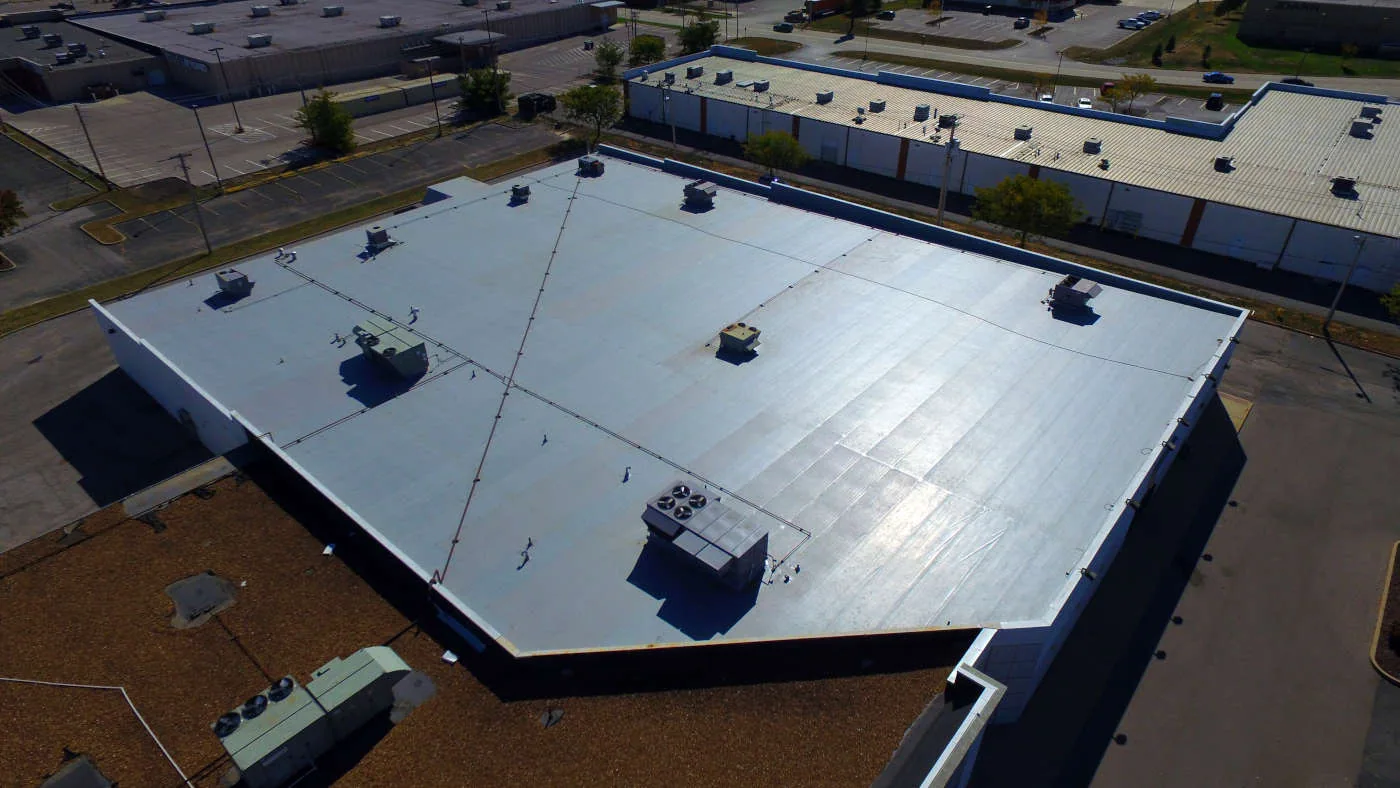
Birchwood lies on the north side near Bellis Fair, and the I-5 and SR 539 interchange is close by. Retail, office and service buildings can all sit near an interchange like this one, and each calls for its own roof plan. A first walk, which we call a commercial roof inspection, identifies the roof system, counts the layers, probes the seams and reads the moisture. It maps the drains, counts the penetrations and photographs the whole roof. The result is a condition grade for each section and a repair-or-replace comparison. Owners get that before they spend anything.
Interchange locations draw heavy truck and car traffic. That means deliveries at odd hours, crowded lots and tight turns for a crane. We drive the approach before we write a lift plan, and we look for overhead lines, narrow drives and fire lanes that limit where equipment can stand. A roof job that ignores the lot becomes a traffic complaint.
Equipment swaps and the curb
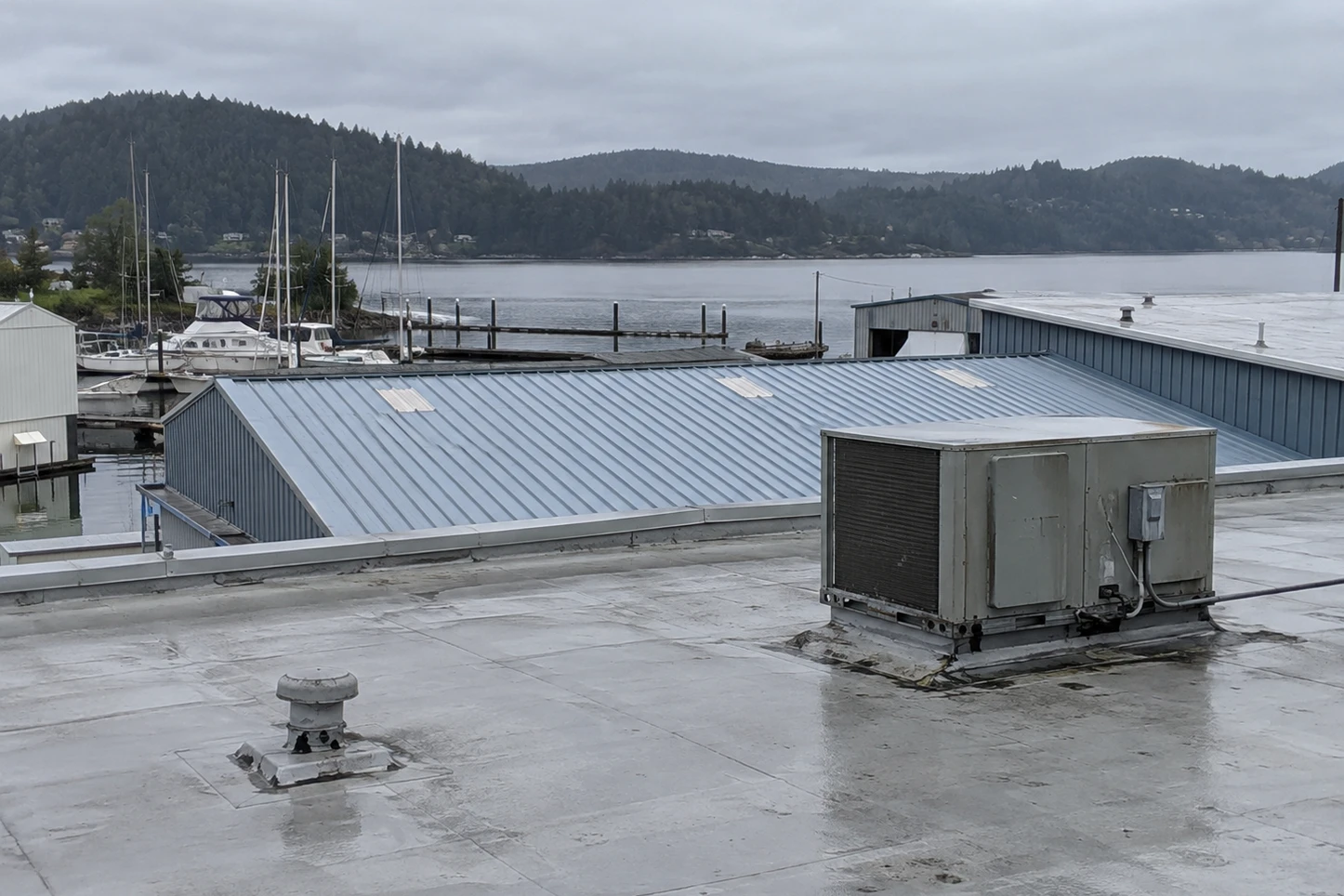
Mechanical contractors set units, and roofers inherit the flashing. A new unit may be a different size than the old one. Curb photos taken on the day of a swap, with the unit tag in frame, settle most later arguments about who changed what. A curb cut for the old footprint may leave a gap. A sealant bead that bridged the old edge may not bridge the new one.
We recommend a short handoff. The roofer checks the curb before the unit is set, flashes the opening right after, and photographs both. If the swap is planned, we schedule a crew for the same day. If it is not, we log the unit change and inspect within a week. A curb and support record in the roof file shows which curbs are original, which were rebuilt and which still need work.
Small penetrations deserve the same care. A new exhaust fan, a satellite dish or a conduit run each opens the membrane. A tenant improvement permit may not mention the roof at all. We ask property managers to send us any permit that touches rooftop work, so we can flash the cut the same week and add it to the log.
Leases, landlords and roof clauses
Retail and office leases usually say who owns the roof, who pays for repairs and who may touch the membrane. A tenant who cuts a hole without notice can void a warranty and start a dispute. A landlord who skips repairs can face a claim.
We help both sides with facts. Photos and dates show which flashing failed and when. Moisture readings show how far water traveled. A written scope shows what the repair covered. With that file, the lease clause becomes a simple question of who pays for what. Dated photos also help a landlord decide whether a repair belongs to the building fund or to the tenant who cut the membrane. We do not interpret the lease. We supply the evidence the owner's counsel will want.
Notice clauses deserve a line too. Many leases require advance word before roof work starts. We draft the notice with the property manager, state the dates and hours, and name a contact who answers the phone.
Repair, recover, coat or replace
Four paths exist for an aging roof. A repair fixes local failures. A recover adds a membrane over a dry one. A coating renews a sound surface. A replacement removes failed layers and starts over. The right path depends on moisture, seams, layers and the owner's hold period.
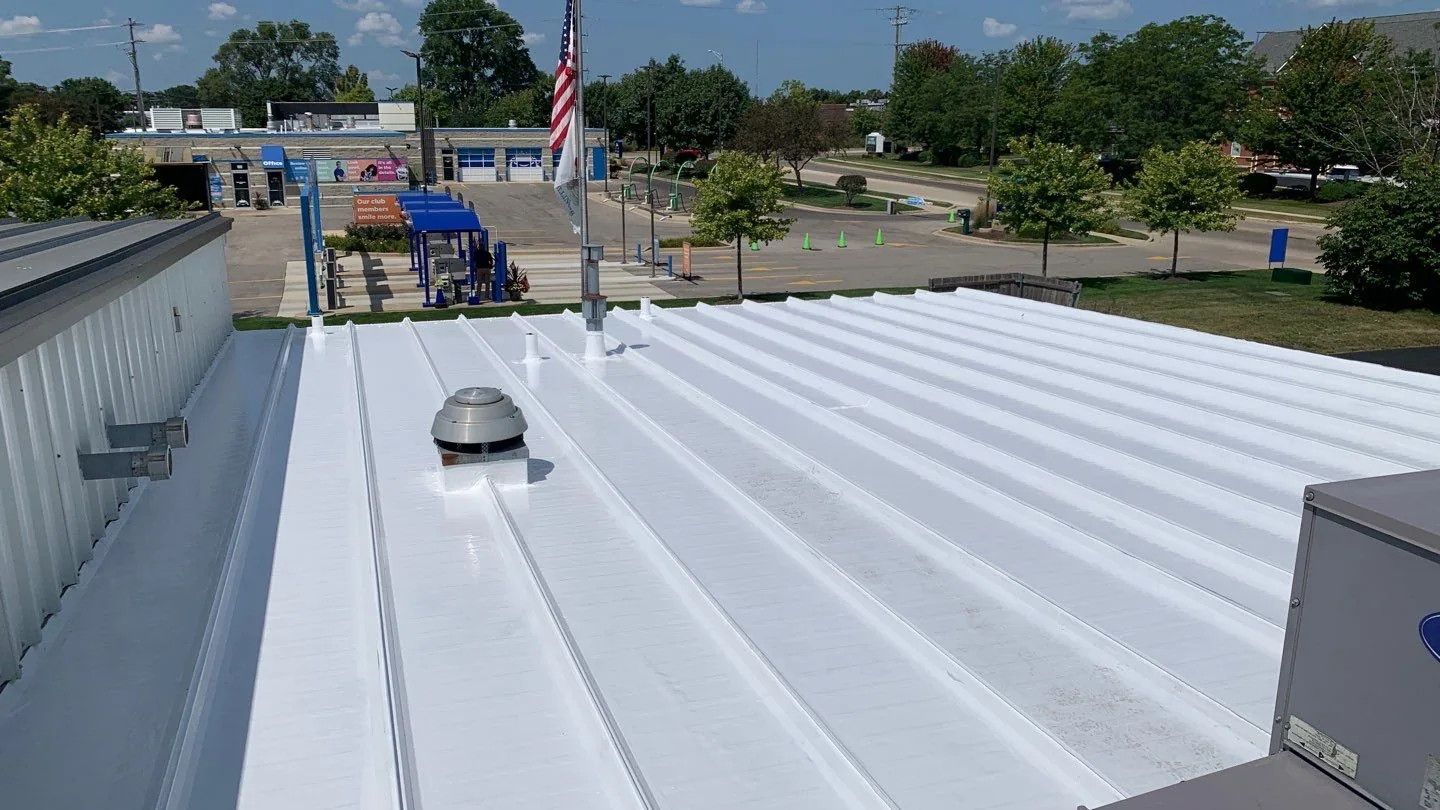
A dry roof with sound seams may take a coating restoration at a fraction of replacement cost. A roof with spread moisture cannot. The statewide energy code adopted March 15, 2024 affects any new assembly, since it sets insulation thickness. We price each path side by side and say where one stops working.
Cost drivers sit in plain view. Moisture decides whether coating or recover is possible. Layer count decides whether a recover is allowed. Deck condition decides how much repair carries into the price. Access decides crane time. Phasing around tenants decides supervision. Each of these appears as its own line, and the owner can see which one moves the number most.
Roofs that may someday host solar deserve a note. Panels add penetrations, load and foot traffic. A solar-ready roofing plan sets the membrane, the attachments and the walk paths to suit panels later, so the first roof does not have to be torn up for the second project.
Rain, sun hours and timing
Bellingham gets roughly 34.8 inches of rain in a year followed by only about 1,866 sunlit hours, so decks dry slowly. Moss and algae settle on shaded membranes. We want terminations and metal closed by the start of fall. Many retail tenants close the roof to work from early November for holiday selling. That leaves late spring through summer. We book early and open only what we can close before dark.
Wind and rain tests the work soon after it is done. A gust of 67 mph in March 2016 damaged storefronts across Bellingham, and the November 2024 bomb cyclone drove easterly winds through Sudden Valley. Retail edges, canopies and screens take the first hit, so caps get pulled and fasteners get counted before handover.
Closeout and nearby areas
The punch walk covers seams, caps and drains. Open items get a name and a date, and the owner receives the roof map and photo set. Nearby areas follow the same method: the Guide Meridian corridor carries large retail roofs, and Cordata is the next district north of downtown. A big box store or a small tenant bay in Birchwood still starts with the curb.
Records travel with the building. A new tenant, a new owner or a new roofer can read the roof map and see what was done, when and by whom. That single file shortens repair calls and keeps warranty coverage intact.
Commercial Roofing Questions
Why check the curb before a new unit is set?
The old curb was cut for the old unit. A different footprint leaves gaps that leak. A quick check and a same-day flashing fix prevent it.
What does a first walk produce?
A roof map, photos, moisture readings, a layer count and a condition grade for each section. The owner gets it before spending on repairs.
Can a coating replace a new roof?
On a dry roof with sound seams, it can extend life at lower cost. Wet insulation rules it out, so moisture readings come first.
Who pays when a tenant's contractor cuts the membrane?
The lease decides. We supply photos, dates and moisture readings so the parties can settle it without guessing.
When does retail roof work have to stop?
Holiday selling closes the roof from early November. We plan to finish before then and keep emergency response on call after.
What should a property manager send us after a permit is issued?
The permit, the scope and the date work will touch the roof. We flash any cut within the week and add it to the penetration log.
Send the drawings and the tenant list
Send the roof plan, the tenant list and your target dry-in window. We will price every curb, patch and termination before the bid closes.