Solar-Ready Roofing in Bellingham, WA
Roof prep for solar arrays in Bellingham, WA: membrane age, attachment details, wind load and how we sequence roof work around the array installer.
Solar-Ready Roofing in Bellingham, WA
Roof prep for solar arrays in Bellingham, WA: membrane age, attachment details, wind load and how we sequence roof work around the array installer.
Commercial Roofing Services
Solar-Ready Roofing in Bellingham
An array outlasts a tired roof by a decade, so the roof goes first. Pulling panels to replace a membrane costs more than the membrane. That is the whole case for solar-ready work in Bellingham, WA, and it comes down to age, attachment and calendar.
We look at the roof the solar installer will stand on. We check how much life it has, where the loads will land and what penetrations the racking will add. Then we sequence our work ahead of the array, so the general contractor gets one clean handoff instead of two competing crews.
Overview
Solar-Ready Roofing
Roof age comes first
A solar array is a twenty-year asset. A roof with eight years left is the wrong host. Panels sit on it, shade it and trap debris against it, which makes later inspection harder.
We read the membrane, the seams and the insulation before the solar designer picks a layout. Probe checks and moisture scans tell us whether the roof can carry the array through its full life. A saturated field under the racking is the costliest finding, since it forces a tear-off after the array is up.
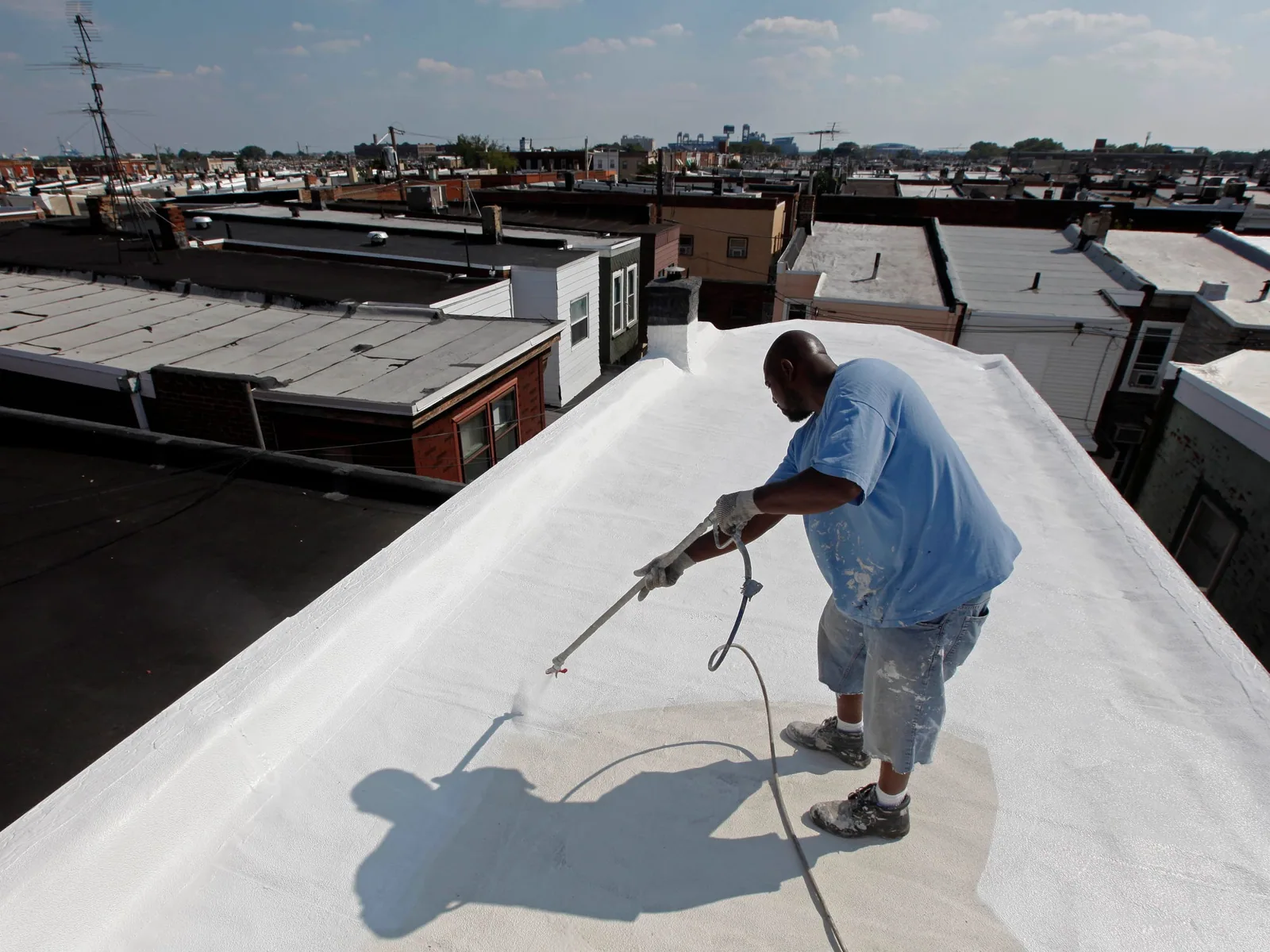
Where the roof is sound but short on life, a recover or a coating can extend it. Where it is near the end, we price replacement ahead of the array and give the owner both numbers side by side.
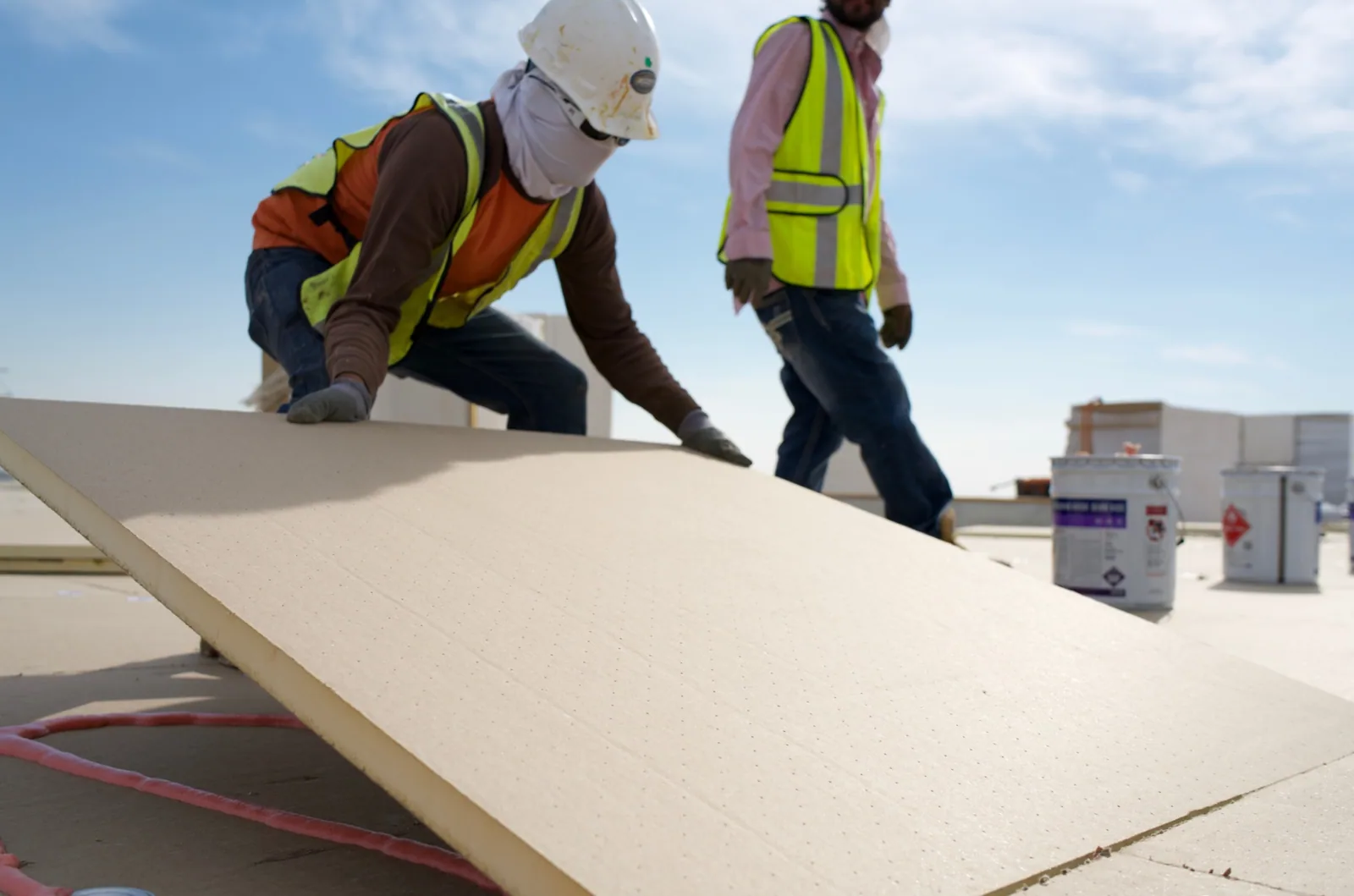
Insulation counts too. Panels press on the roof for decades, and soft or crushed board under a ballast foot shows up as a dip and a ponding spot. Where the board is tired, a cover board and insulation upgrade goes in before the racking does. Thicker insulation lifts every curb and wall flashing, so the heights are settled with the design team first.
How racking meets the membrane
Arrays attach one of three ways. Ballasted racks sit on the roof under their own weight. Mechanically fastened racks go through the membrane into the deck. Adhered or clamped systems grip standing seams without penetrating.
Each method asks something different of the roof. Ballast adds load and needs protection pads under every foot. Fasteners add penetrations that need boots or sealed flashing. Clamps need a standing seam metal roof in good condition.
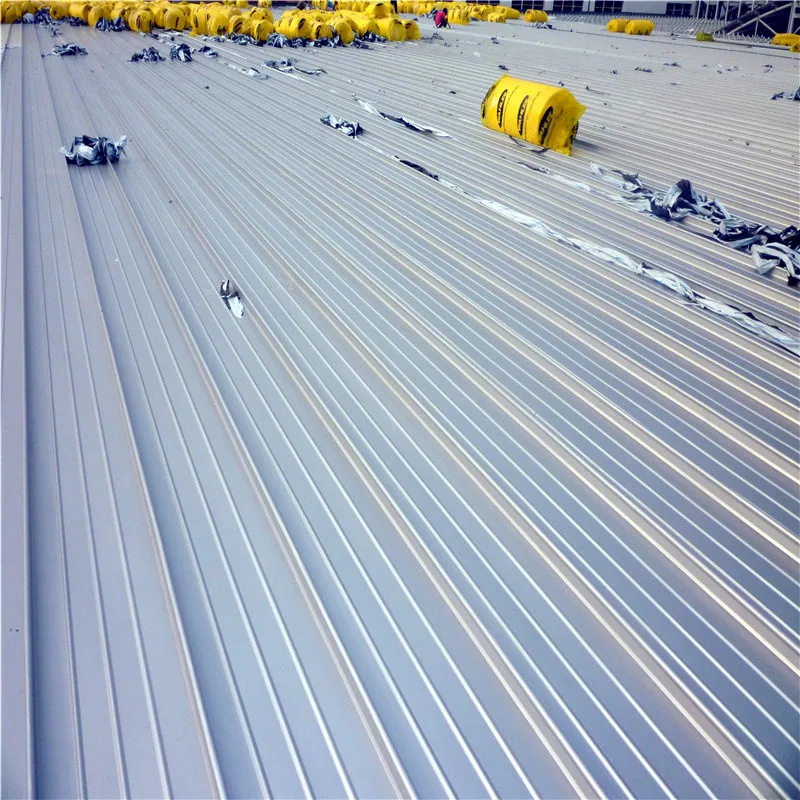
On a standing seam metal roof, clamps avoid holes entirely and keep the panel warranty position clean. On a TPO roof, we weld the flashing around each penetration and test every seam. We note each type on the plan before the array crew mobilizes.
Wind and snow loads
Bellingham wind is a design input. Gusts hit 67 mph in March 2016, and the November 2024 bomb cyclone drove easterly winds through Sudden Valley that found loose edges. An array adds sail area, so perimeter fastening on the roof beneath matters more once panels go up.
Snow adds weight, though less than in the foothills. Snow here runs about 10 inches in a typical year, nearly all of it between December and February. Panels also change how snow slides and melts, and the water that sheds off a panel lands on the roof in concentrated lines.
The structural engineer sets the loads. We confirm the deck, the fastener pattern and the membrane edges can hold what the engineer specifies. If the edge metal is loose, we fix it before the racking arrives.
Sequencing the two crews
The roofer goes first. The array crew goes second. The inspector sees both. Any other order costs money.
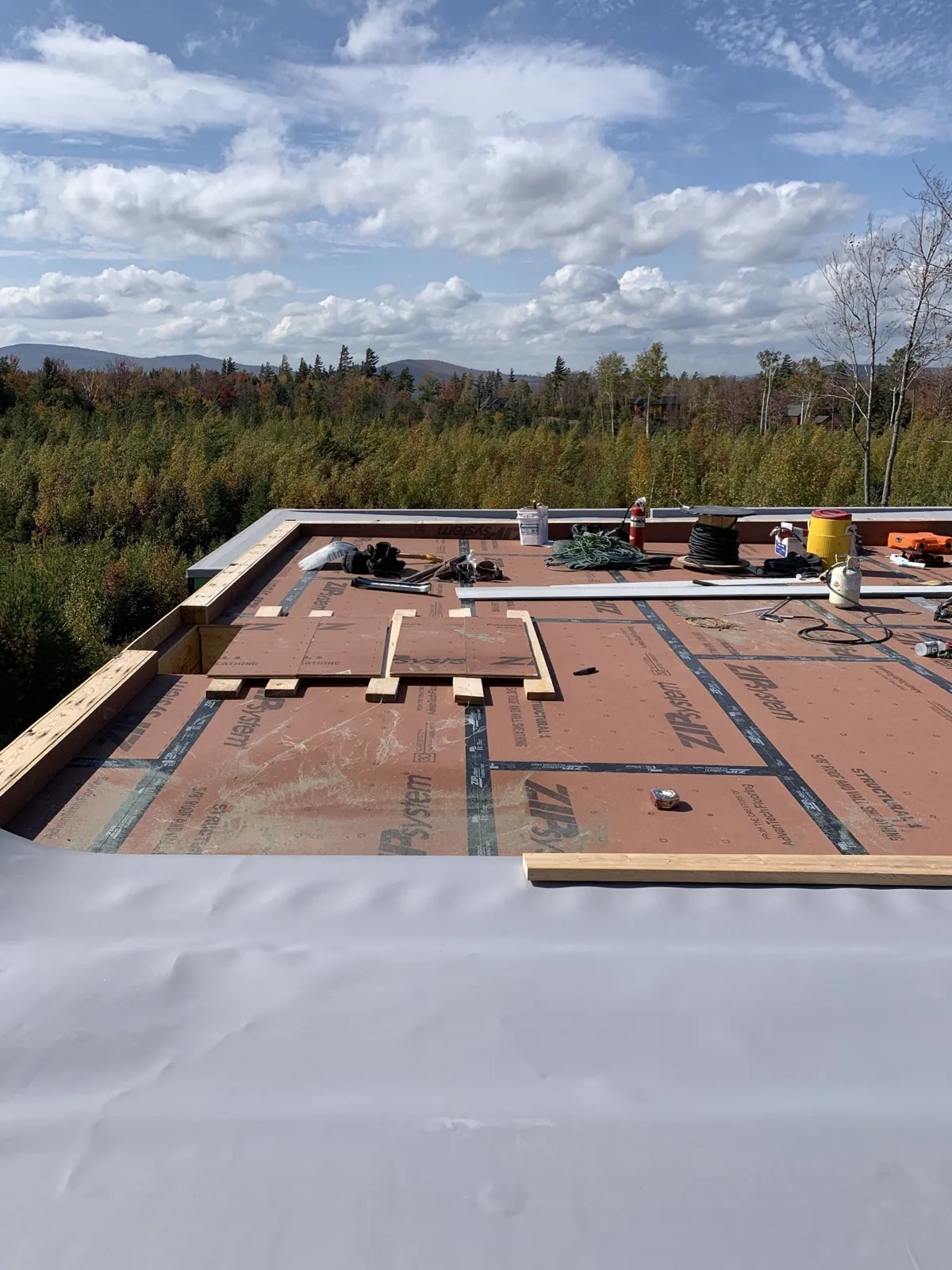
We finish membrane, flashing and drain work, then mark the array footprint with walkways and protection. Pads go down under ballast. Penetrations get flashed and tested before the racking is set. The solar crew arrives to a roof that can take their weight.
The calendar matters. Both trades need dry days, and Bellingham has fewer of them than the rest of the year suggests. July is the driest month, and the wet season runs hard from November. Missing the summer window pushes both trades into months where cold and damp stall adhesives and slow the weld.
We give the general contractor a dry-in date and a handoff date. The solar installer builds their schedule from the second one.
Closeout is one walk with both crews present. The roofer points out each tested penetration and each pad. The solar lead signs for the roof condition they received. If a seam or pad is found wrong later, the record shows which crew touched it.
Drains, walkways and access
Panels create new low spots. Water runs off the panel edge and onto the membrane in lines. Without a drain nearby or a protected channel, those lines wear the surface.
We check the drains and scuppers within reach of the array. Clogged drains plus added shedding is a recipe for ponding. We clear them, test the slope and add a cricket where the water changes direction.
The array also needs service access. Walkway pads let the maintenance crew move without stepping on the membrane. Clear lanes keep the roof inspectable, and preventive maintenance depends on being able to see the surface under and around the panels.
Skip the access planning, and the panels become a barrier to the roof checks that protect them.
Where the pairing makes sense
Large flat roofs with steady daytime power use are the usual match. A warehouse in the Airport Industrial Area or a retail building along the Guide Meridian near Bellis Fair can have the area and the daytime load.
Institutional buildings also fit. Western Washington University, Whatcom Community College and Bellingham Technical College operate large building stocks with steady demand. Their roofs vary in age, so the roof assessment comes before the array plan.
Sunshine is the limit. Bellingham has about 1,866 hours of sun a year, which is low. The solar designer sizes around that. Our job is only to make the roof a dependable host.
Port buildings along Marine Drive have a different problem. Salt air and wind off the water reach the roof, and fasteners and racking hardware need to be chosen for that exposure. We raise it with the solar designer early, since coastal hardware swaps change the order sheet and the delivery date.
Where a roof near PeaceHealth St. Joseph carries rooftop air handling, the array has to leave clear space for those units and their service lanes. We mark the clearances on the roof plan.
Commercial Roofing Questions
How much life should a roof have before panels go on?
At least as much as the array will run, or a plan to replace the roof under it. Pulling panels to redo a membrane is a separate project with crane time and electrical shutdown. We scan the roof and give the owner a remaining-life reading before the design is final.
Will racking void a roof warranty?
Penetrations and added load can affect manufacturer terms, so the warranty conditions need to be read before attachment is chosen. We bring the roof spec to the solar designer so the attachment method fits the warranty position.
Can you flash penetrations after the racking is set?
We would rather flash them before. Racking can block access to the weld line, and a flashing done in tight quarters is harder to test. We stage the work so the solar crew sets the posts onto finished, tested flashing.
What about a roof with moss under the array?
Moss feeds on the same shade and damp the panels create. We treat and clean the surface before the array is built, then leave inspection lanes. A mossy roof under panels is difficult to clean afterward.
Does the energy code decide whether a new roof needs solar prep?
The design team reads what the 2021 energy code, in effect since March 2024, requires for the building. We build the roof the plans show and confirm dimensions, loads and penetrations with the solar designer.
Send the roof plan and the array layout
Send the drawings, the roof spec and the racking attachment plan. We will price roof prep and the handoff to the solar crew as separate lines before the bid closes.