Commercial Roofing in Irongate and Meridian, Bellingham, WA
Commercial roof repair, retrofit and replacement in the Irongate and Meridian neighborhoods of Bellingham, WA, with snow, rain and wind detailed on the bid.
Commercial Roofing in Irongate and Meridian, Bellingham, WA
Commercial roof repair, retrofit and replacement in the Irongate and Meridian neighborhoods of Bellingham, WA, with snow, rain and wind detailed on the bid.
Service Areas
Irongate and Meridian in Bellingham
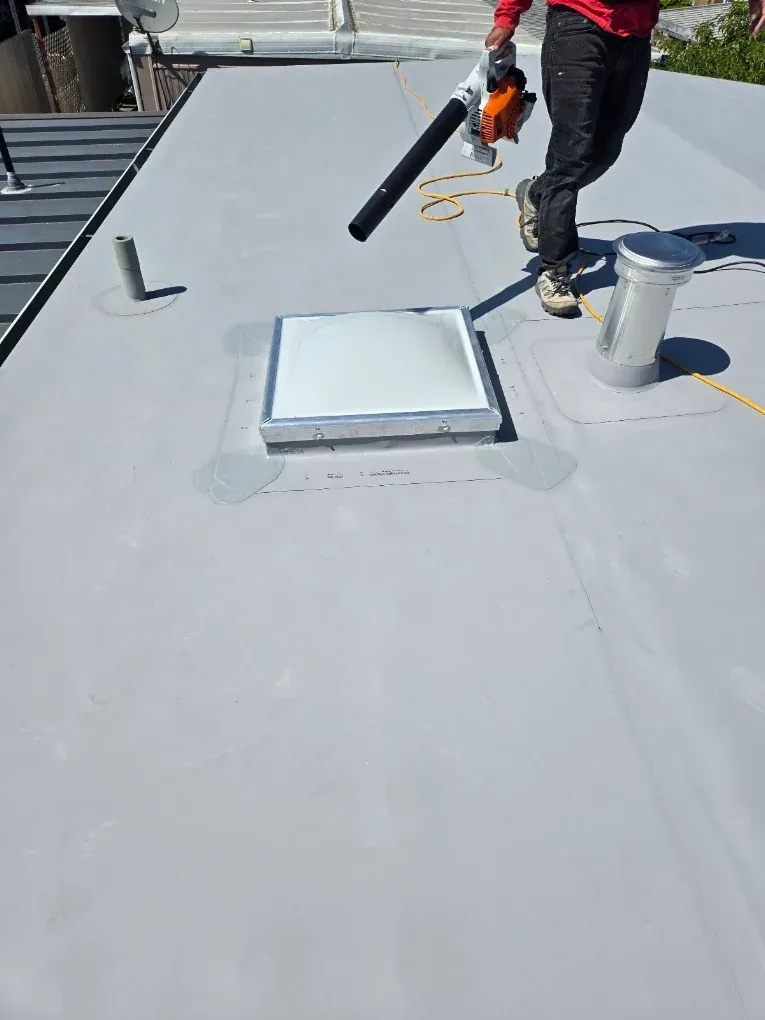
Skylights fail at the curb, not the glass. The glass is sealed in a factory. The curb is flashed by hand, on a roof, in whatever weather the week brings. In Irongate and Meridian, two named neighborhoods on Bellingham's north and west side, the curb is the first thing we look at on a roof with daylighting. A leak there stains a ceiling and lights up a phone.
Meridian runs along SR 539, the Guide Meridian, which connects to Lynden and the border. Please send drawings, the tenant list and the window you need for dry-in. Every curb, drain and termination gets marked before the bid closes.
Overview
Irongate and Meridian
Two neighborhoods on one arterial
Irongate and Meridian are named neighborhoods on the north and west side of the city. Meridian follows the Guide Meridian, and both neighborhoods lie close to Bellingham International Airport, three miles northwest of the city.
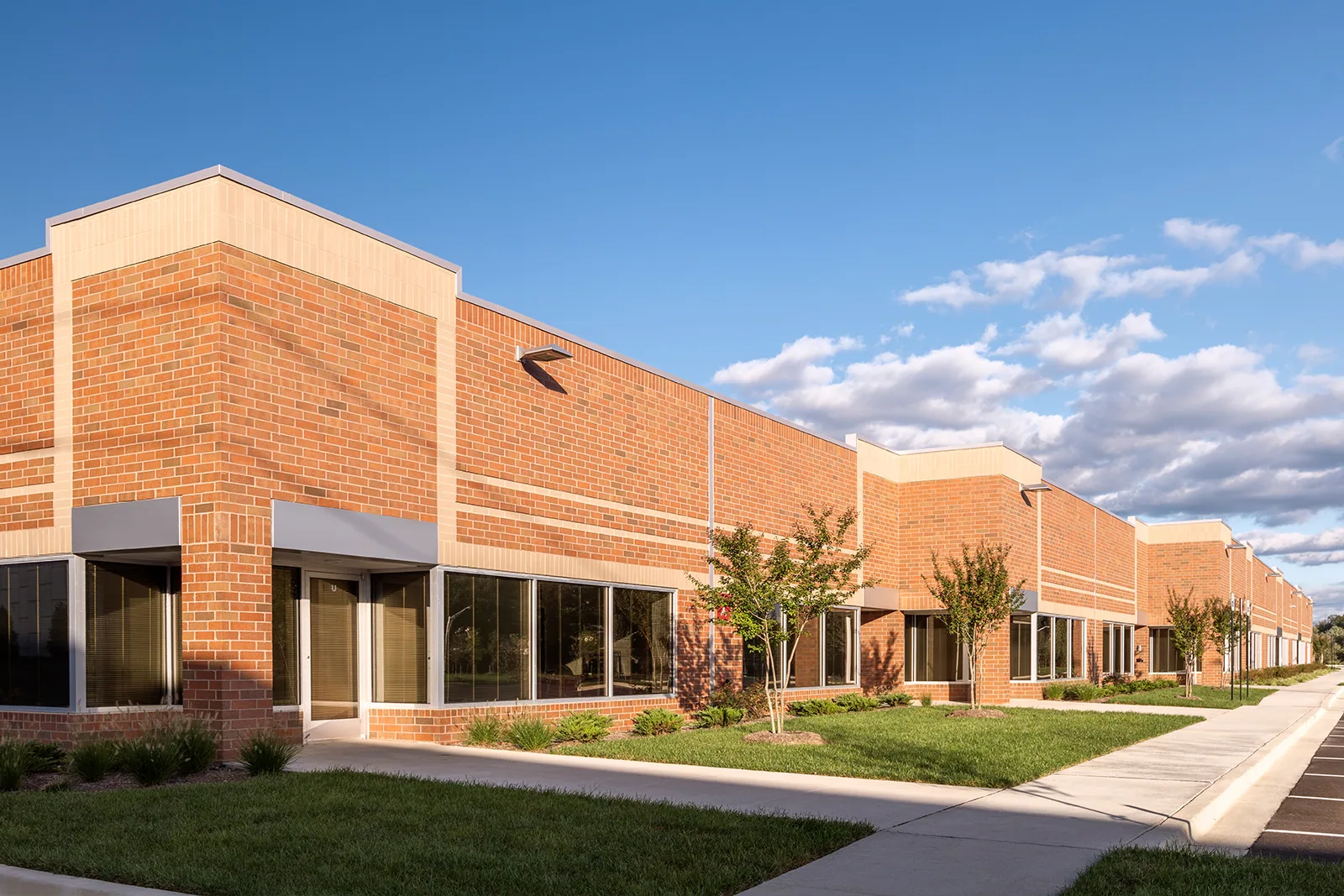
A neighborhood along an arterial can mix uses: small retail, service shops, offices and storage on one block. Each calls for its own plan. The first walk sorts them: roof system, deck, layers, seams, drains, penetrations and moisture. The result is a roof map and a grade for each section. Owners see what they have before they decide what to spend.
Mixed blocks raise a coordination question. A roof may serve one tenant under a landlord's lease, or several under a shared one. A leak in one bay may start in another. We trace the water by moisture readings and a dye or flood test, not by guessing from the stain. A flex industrial building with shop, office and storage bays is the usual case where this matters, since each bay may drain to a different point.
Skylights, vents and small penetrations
Daylighting and ventilation turn a flat roof into a field of small holes. Each hole is a flashing detail. The details age differently from the membrane around them, and they usually fail first.
We count skylights, smoke vents, exhaust fans and pipe boots on the first walk. We check curb height, sealant age, glazing joints and the lap between curb flashing and field sheet. A skylight and penetration flashing pass often cures a leak that looked like a membrane failure. It costs far less than a replacement. Where a curb is rotted or too low, we rebuild it and flash it to the sheet in place.
Smoke vents and roof hatches count too. A hatch lid that does not seal draws rain into a stairwell. A vent whose gasket has hardened lets in air and water. We test each by hand, replace worn gaskets and log the work. These are small items that people forget until they leak, and they are the cheapest repairs on the roof.
Where daylighting is no longer needed, a skylight can be removed and the opening framed and roofed over. That ends a repeat leak for good. It also changes interior light, so the owner decides with the tenant in the room.
Metal roofs and retrofits
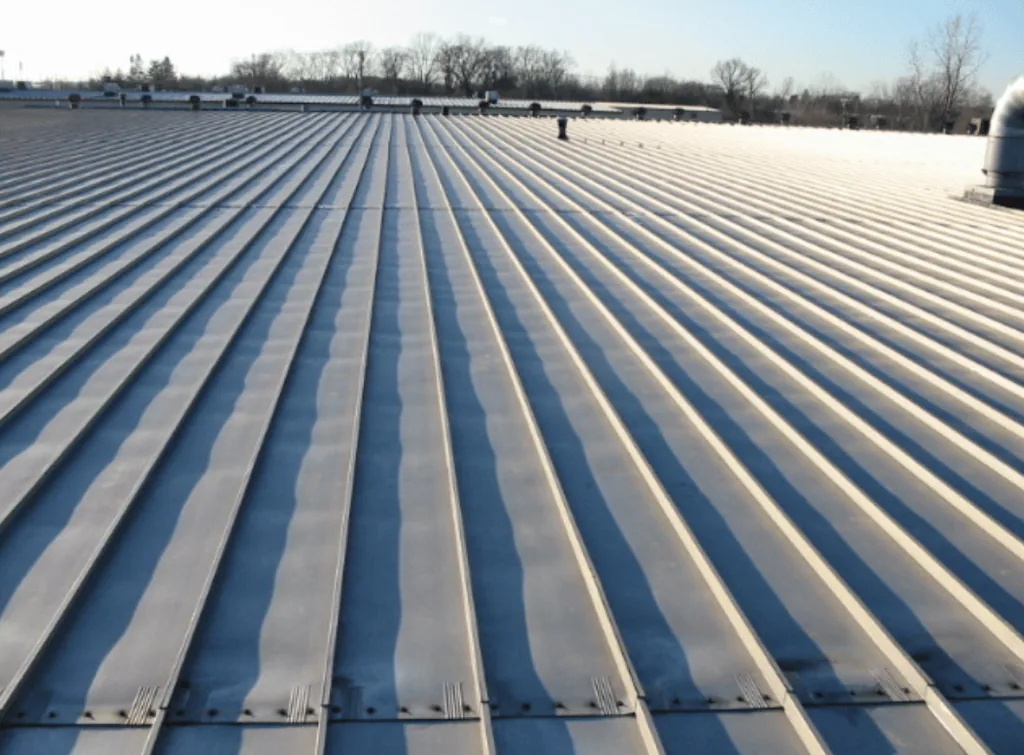
Metal panels are common on small commercial buildings, and metal ages in specific ways. Fasteners back out. Sealant at laps dries. Panels oil-can. Rust starts at cut edges. A metal roof retrofit adds a new layer over the old deck, usually with framing and insulation between. It avoids tear-off and adds thermal value.
Retrofit works only if the old roof can carry the new load and the old fasteners hold. We check the purlins, the panel condition and the existing insulation. If they pass, a retrofit saves time and haul-off. If they do not, a replacement is the better path. We price both and show the owner the difference in cost and downtime.
Fastener choice makes or breaks a metal repair. Oversize screws with sealing washers can restore a backed-out panel, while the wrong washer splits in the first sun. We use the manufacturer's recommended hardware for the panel in place and note the replacement in the log. At laps and ridges, butyl tape and a fresh sealant bead restore the seal. Rust at cut edges gets primed and coated before it spreads.
Snow, drainage and crickets
Bellingham sees roughly 10 inches of snow a year, mostly December through February, with cold snaps and strong winds. Snow itself is modest. Melting snow is the problem, since it finds low spots, clogs scuppers and freezes at night. A flat roof with weak drainage keeps water through a cold week.
We detail crickets behind units and at wall junctions, and we check each scupper for height and clearance. Heated drain covers are rare here, so clearing by hand before a cold snap is the practical fix. The roof file marks the drains that need attention first, with photos, so the owner knows where to send a maintenance crew when the forecast turns.
Gutters and downspouts earn a look in the same pass. A gutter packed with needles overflows over a doorway, and the overflow freezes. We clear them, check the pitch and fasten any loose runs. Cold-week ice is a safety problem as much as a roofing one, and the fix costs little.
What drives the price
Penetration count, system choice, layer count, insulation depth and access set the price. Membrane or panel is the smaller number. Insulation depth on a new assembly comes from the energy code in force since March 15, 2024, and curbs and flashings climb as the depth grows. A dry roof may take a recover. A wet one cannot. Core samples and moisture readings make the call; both options reach the owner with prices. The owner sees both numbers before award, and a surprise has a price written ahead of time.
Code caps the layers a roof may carry, so counting them at the first walk tells us whether a recover is even allowed. Deck condition stays unknown until the old roof is off, which is why an allowance and a unit rate sit on the bid.
Rain, sun hours and wind
Bellingham's rain reaches about 34.8 inches a year, with the wet peak in November and the dry low in July, and decks dry slowly under about 1,866 hours of sun. In March 2016 a 67 mph gust took stucco off the Bellingham Home Depot storefront; the easterlies of the November 2024 bomb cyclone then crossed Sudden Valley. Edge metal on any arterial building meets wind like that first. The scope states the metal gauge and the fastener spacing, and the caps get pulled before handover. Neighbors on the corridor include the Guide Meridian corridor and the Airport Industrial Area.
Commercial Roofing Questions
Why do skylights leak at the curb?
The curb is flashed by hand on the roof, and sealant ages faster than glass. A rebuilt curb with fresh flashing usually ends the leak.
When does a metal retrofit beat a replacement?
When purlins are sound, fasteners hold and the old roof can carry the new load. A retrofit saves tear-off, time and haul-off.
How does snow affect a flat roof here?
Snow itself is modest. Melt that finds a clogged scupper is the problem. We detail crickets and check each drain before cold snaps.
What does a first walk record?
The roof system, deck, layer count, seams, drains, penetrations and moisture. We photograph each section and grade it.
What is the cheapest fix for a leak near a skylight?
Often a flashing repair at the curb. We test with water to confirm the source before pricing anything larger.
Send the drawings and the tenant list
Send the roof plan, the tenant list and your target dry-in window. We will price every curb, drain and termination before the bid closes.